P1Harmony’s "Unique" Comeback: A Deep Dive into Their Enduring Rise and a Visually Underwhelming Music Video
Article Editorial Team
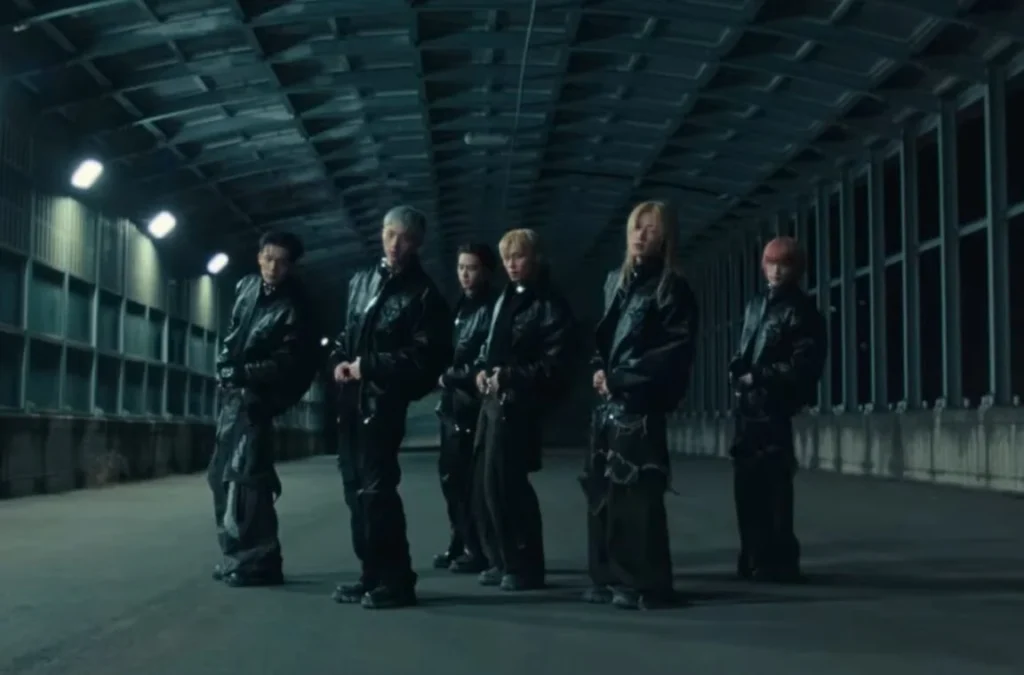
In an era of K-pop defined by explosive viral moments and debut tracks that immediately capture global attention, P1Harmony stands as a compelling exception. Rather than a meteoric ascent, the six-member group, under FNC Entertainment, has cultivated a dedicated fanbase through a deliberate and consistent build-up of their distinctive sound and stage presence. Their latest release, the single "Unique," showcases their signature playful, high-energy, and brash style, a sound they have meticulously refined over the past few years, leading to what many consider their most successful period to date. While the song itself marks another strong addition to their discography, the accompanying music video has generated discussion for its ambitious yet ultimately underwhelming visual execution, particularly when contrasted with the group’s undeniable charisma on stage.
P1Harmony’s Journey: A Steady Ascent in a Fast-Paced Industry
P1Harmony debuted on October 28, 2020, with their extended play (EP) "Disharmony: Stand Out." Unlike many of their peers who experience immediate global recognition, P1Harmony’s trajectory has been characterized by sustained effort and organic growth. This gradual rise has allowed them to solidify a unique identity, characterized by a powerful blend of vibrant performances, intricate choreography, and a dynamic stage persona that resonates with their audience. Their music often explores themes of breaking free from societal constraints and embracing individuality, a narrative that has clearly struck a chord with listeners seeking authenticity in the K-pop landscape.
The group comprises six members: Keeho (leader, vocalist), Theo (vocalist), Jiung (vocalist, dancer), Intak (rapper, dancer), Soul (rapper, dancer), and Jongseob (rapper, dancer). Each member contributes a distinct flavor to P1Harmony’s collective energy, and their synergy is a key component of their appeal. Their early releases, such as "Siren" and "Scared," laid the groundwork for their energetic sound. Over time, they have evolved, with EPs like "Disharmony: Break Out," "Disharmony: Find Our Name," and "Harmony: Set In" charting their musical progression and thematic exploration. The critical reception of these projects, coupled with increasing international touring success, has cemented their position as a group with significant long-term potential.
"Unique": A Sonic Triumph Marred by Visual Missteps
The single "Unique" embodies the P1Harmony sound that fans have come to expect and appreciate. The track is characterized by its infectious rhythm, bold vocal delivery, and a powerful rap line, all contributing to an exhilarating listening experience. It’s a testament to the group’s ability to consistently deliver high-octane performances that are both engaging and memorable. The song’s title itself reflects a core tenet of the group’s philosophy: celebrating individuality and standing out from the crowd.
However, the music video for "Unique" has been a point of contention. The visual narrative adopts a maximalist, VFX-heavy approach, aiming for a dystopian fantasy aesthetic. While maximalism can be a powerful tool to enhance a song’s energy and concept, the execution in "Unique" has been widely perceived as falling short of its ambitious goals. The imagery employed, described as run-of-the-mill dystopian fantasy, fails to offer anything novel or particularly engaging. This lack of originality is further compounded by the technical execution. Critics have pointed to choppy editing and jarring visual effects that detract from the overall viewing experience, making the video feel less like a polished product and more like an experiment that didn’t quite land.
The article highlights specific moments where the visual effects did align with the members’ performances. A comic book-style drawing of Jiung seamlessly melting into his actual face, and dramatic veins appearing on Intak’s face in a close-up shot, are cited as examples of successful integration. These instances, however, are presented as exceptions rather than the rule, suggesting that while flashes of creative brilliance exist, they are not enough to elevate the entire visual project.
The Power of Performance: Music Show Stages vs. Music Video
A significant critique leveled against the "Unique" music video is its failure to capture and convey the group’s inherent charisma and performance power. The article draws a stark comparison between the music video and the group’s live performances on music shows. On stage, the song "bursts to life," amplified by the members’ dynamic stage presence, engaging choreography, and the palpable energy they exude. Music show stages, often characterized by a more focused presentation of the artists and their performance, allow P1Harmony’s charm to shine through without the visual clutter that plagues the music video.
This observation underscores a fundamental principle in K-pop: the visual element of a music video should complement, not overshadow, the artists and the music. When a music video becomes overly reliant on special effects or a convoluted narrative, it risks diminishing the very qualities that make the group compelling. In P1Harmony’s case, their strength lies in their collective energy, individual members’ captivating stage presence, and their synchronized choreography. The "Unique" music video, by contrast, appears to have diluted these strengths within a visually overwhelming and ultimately uninspired aesthetic.
Analysis of Implications and Future Directions
The lukewarm reception of the "Unique" music video, despite the song’s success, raises important questions about artistic direction and execution in K-pop. While it is commendable that P1Harmony and their agency, FNC Entertainment, are willing to experiment with different visual concepts, as noted by the article’s author, the outcome of this particular experiment was not as intended. The group has historically maintained a relatively consistent visual aesthetic across their music videos, and this foray into a more heavily VFX-driven narrative, while perhaps intended to mark a significant shift, did not achieve the desired impact.
The article concludes on a note of optimism, acknowledging that the song itself remains a strong comeback for the group. It emphasizes that experimentation is valuable, but it must be guided by a clear understanding of the artist’s core strengths. The key takeaway is that any aesthetic choice, whether in music videos or on stage, should prioritize highlighting the group’s charm and performance power. A visual concept that fails to do so, regardless of its technical ambition or budget, is ultimately a disservice to the artists and their connection with their audience.
Looking ahead, P1Harmony’s continued success will likely hinge on their ability to strike a balance between innovation and staying true to their established appeal. Their journey from a group that steadily built its name to one now recognized for its consistent quality and engaging performances offers a valuable case study in the diverse pathways to success within the competitive K-pop industry. The group’s commitment to refining their sound and performance, as evidenced by the strength of "Unique" as a song, suggests that they are well-positioned to continue their upward trajectory, provided their future visual strategies effectively amplify, rather than detract from, their undeniable talents. The contrast between the music video and their live performances serves as a clear indicator that the most compelling "unique" aspect of P1Harmony lies not in elaborate digital effects, but in the raw, unadulterated energy and charisma of the members themselves.
Related News