Perfect Crown Actress Had Her Driving Scene CGI’d Because Her License Was Revoked
Article Editorial Team
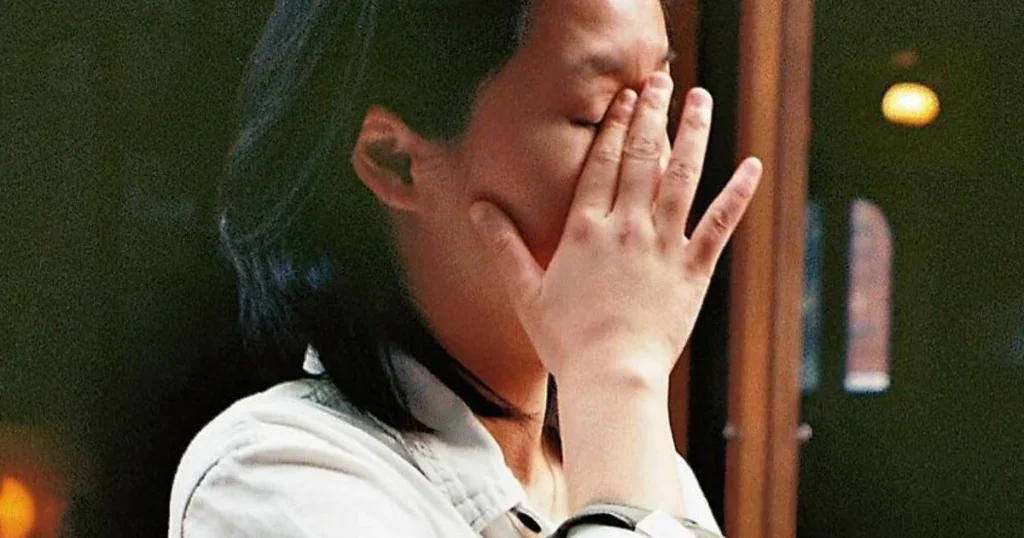
Actress Lee Yeon, a rising star recognized for her impactful performances in various acclaimed K-Dramas, recently surprised audiences and industry peers alike with a candid revelation: her driver’s license had been revoked. This administrative oversight led to a unique workaround during the production of her latest hit series, Perfect Crown, where a scene depicting her character driving had to be entirely rendered through computer-generated imagery (CGI). The disclosure, made during a segment on a popular MBC variety show, offered a rare glimpse into the unexpected challenges faced in television production and the personal lives of public figures.
The Unveiling on The Manager
The surprising news came to light during a recent episode of MBC’s highly watched reality program, The Manager (also known as Omniscient Interfering View). The show, renowned for offering an unfiltered look into the daily routines of celebrities and their interactions with their managers, often uncovers personal anecdotes that resonate with the public. Lee Yeon appeared as a guest on the program, providing viewers with an intimate portrayal of her life away from the camera and her demanding work schedule on Perfect Crown, where she embodies the character of Secretary Do.
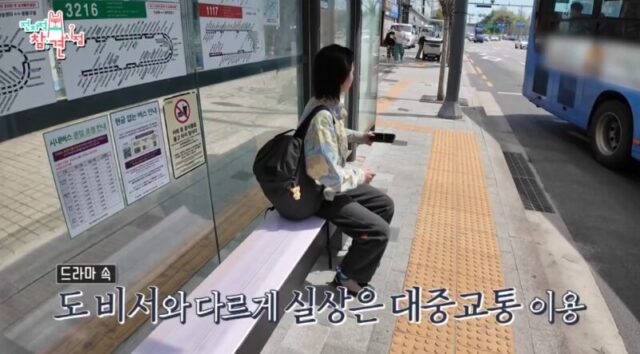
During the broadcast, cameras followed Lee Yeon through her day, capturing moments such as her finishing a meal at a local restaurant. What caught the attention of the hosts and the audience was her subsequent action: instead of heading towards a waiting vehicle, she casually made her way to a bus stop, clearly relying on public transportation for her next destination. This observation prompted a query from the panel, leading her manager to explain the unexpected reason behind her preference for public transit. The manager clarified that Lee Yeon had previously possessed a valid driver’s license, but it had since been revoked.
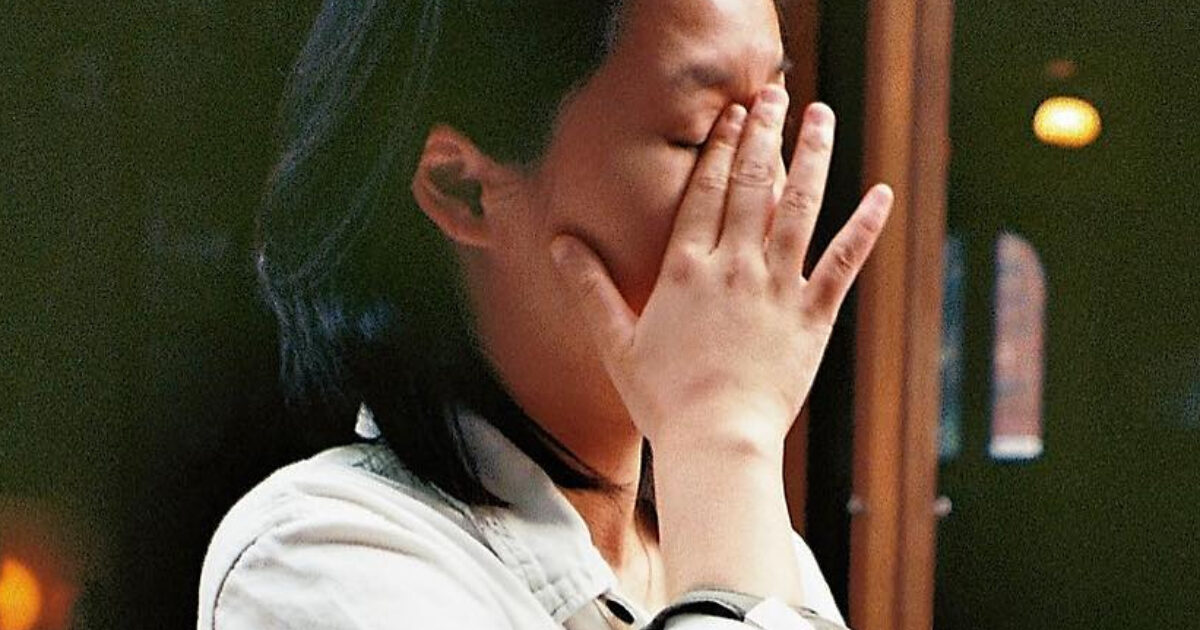
The revelation sparked immediate reactions from the studio panel. Veteran comedian and host Song Eun Yi expressed genuine shock, a sentiment echoed by many viewers who might have assumed a celebrity of Lee Yeon’s stature would always have private transportation at their disposal. Actress Choi Kang Hee, known for her witty remarks, lightened the mood with a humorous observation, joking that Lee Yeon truly embodied the spirit of a "free spirit."
Lee Yeon, recognizing the potential for misinterpretation, quickly stepped in to clarify the circumstances surrounding her license revocation. She emphatically stated, "It’s not like I did something wrong. I just didn’t know I had to renew my license. No one told me." Her explanation underscored that the situation was not the result of a serious driving infraction, such as a traffic violation or an accident, but rather an administrative oversight – a lapse in awareness regarding the renewal process. Because she missed the stipulated renewal deadline, her license was ultimately canceled by the authorities. This candid admission painted a picture of relatability, showing that even public figures can sometimes overlook seemingly mundane administrative tasks.
Understanding Driver’s License Renewal in South Korea
To fully grasp the implications of Lee Yeon’s situation, it is important to understand the regulatory framework surrounding driver’s licenses in South Korea. The country maintains a stringent system for driver’s license issuance and renewal, primarily managed by the Road Traffic Authority (RTA). For most regular passenger vehicle licenses (Class 1 and Class 2), the renewal period is typically every ten years, though this can vary based on age and specific license types. Drivers are generally expected to undergo a health check and submit an application for renewal within a specified window leading up to their license’s expiration date.
The RTA employs various methods to inform drivers about impending renewals, including postal notices sent to registered addresses. However, if these notices are overlooked, or if a driver’s registered address is not current, such communications might not reach the intended recipient. Should a driver fail to renew their license within the designated period, the consequences escalate. For minor delays, a late fee might be imposed, allowing for a grace period. However, if the license remains unrenewed for an extended period, typically beyond one year from the expiration date, it is officially considered revoked. In such cases, the individual is no longer legally permitted to drive and would need to undergo the entire licensing process again, including written tests, practical driving examinations, and health assessments, to regain their driving privileges. This comprehensive re-examination process ensures that all drivers on the road meet current safety and knowledge standards.

Lee Yeon’s case appears to fall into this latter category, where the non-renewal progressed to outright revocation due to the missed deadline. Her statement, "No one told me," highlights a common pitfall: a reliance on external reminders for personal administrative responsibilities, which can sometimes lead to unexpected complications if those reminders are not received or acted upon.
The Perfect Crown Connection: A CGI Solution
The administrative issue surrounding Lee Yeon’s license took on a particularly humorous and interesting dimension when it intersected with her professional obligations on the set of Perfect Crown. The K-Drama, set in a fictional 21st-century constitutional monarchy version of South Korea, follows a captivating romance between Sung Hee Joo (played by IU), a commoner lacking royal status, and Grand Prince Ian (played by Byeon Woo Seok), a royal constrained by his position. Lee Yeon’s character, Secretary Do, likely holds a significant supporting role that necessitates a degree of autonomy and presence, including scenes involving driving.
During the broadcast of The Manager, Lee Yeon revealed that despite her character appearing to drive a vehicle in Perfect Crown, she was not actually behind the wheel. "That was on set. It was all CGI!" she confessed, much to the amusement of the panel and viewers. This candid admission shed light on the creative solutions employed by K-drama production teams to overcome practical obstacles.
The use of CGI for a driving scene, while not unprecedented in film and television, typically involves additional complexities and costs compared to filming an actor actually driving. Standard procedures for such scenes often include utilizing a professional stunt driver, employing a low-loader (a vehicle platform onto which the hero car is mounted), or using a green screen setup where the vehicle remains stationary while background footage is composited in post-production. In Lee Yeon’s specific scenario, given her inability to legally drive, the production team would have been compelled to rely on these more elaborate techniques, with CGI playing a crucial role in creating the illusion of her actively operating the vehicle. This likely involved meticulously compositing her performance within a static car against dynamic background plates or digitally augmenting pre-shot footage to seamlessly integrate her into the driving sequence.
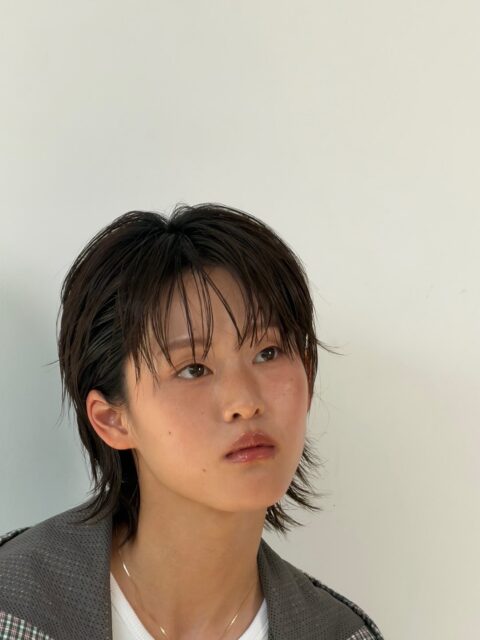
The decision to use CGI for what might seem like a straightforward driving scene underscores the production’s commitment to delivering a seamless narrative despite unforeseen challenges. It also highlights the adaptability and resourcefulness of K-drama crews, who are adept at leveraging advanced technology to maintain the visual integrity and continuity of their storytelling. For Perfect Crown, this meant ensuring Secretary Do’s character could perform her duties convincingly, irrespective of the actress’s personal driving status. While the exact cost implications are not disclosed, CGI work, especially when done convincingly, can add a significant line item to a production budget, reflecting the lengths to which teams go to achieve their creative vision.
Lee Yeon’s Public Persona and Relatability
Lee Yeon’s revelation, far from being a source of embarrassment, has largely been met with warmth and amusement by the public. Her frankness about an administrative oversight, rather than a more serious transgression, has cemented her image as an approachable and relatable celebrity. In an industry where stars often maintain a carefully curated public image, such an admission of a minor, human error can paradoxically enhance their appeal. The "free spirit" label playfully attached to her by Choi Kang Hee resonates with this perception, suggesting a charming lack of concern for conventional norms, or at least for tedious paperwork.
This incident aligns with a broader trend of celebrities sharing more authentic glimpses into their lives, which often fosters a stronger connection with their fan base. Lee Yeon, known for her versatile acting in dramas like Juvenile Justice, Weak Hero Class 1, and DP, has built a reputation for embodying complex and often gritty characters. Her off-screen persona, as revealed on The Manager, now includes a touch of charming absent-mindedness, adding another layer to her public identity. Fans often appreciate when celebrities display vulnerabilities or everyday struggles, making them feel more human and less like unattainable idols. Her current reliance on public transportation further solidifies this image, showcasing a practical approach to daily life that many ordinary citizens share.
Broader Implications for Celebrity Life and Production
The Lee Yeon incident, while seemingly minor, touches upon several broader implications within the entertainment industry. Firstly, it highlights the intense scrutiny faced by public figures. Even administrative details, such as the renewal status of a driver’s license, can become headline news. This level of attention underscores the constant pressure on celebrities to manage not just their professional careers but also every aspect of their personal lives.
Secondly, it serves as a subtle reminder about the importance of administrative diligence, even for those with demanding schedules. While managers typically assist celebrities with various logistical tasks, ultimate responsibility often lies with the individual. This case could prompt other public figures, and indeed the general public, to double-check their own renewal dates for licenses, passports, and other vital documents.
Finally, for K-drama and film productions, this situation exemplifies the need for thorough pre-production planning and adaptability. While actor capabilities are usually assessed early on, unexpected personal circumstances can arise. Production teams must be prepared to implement creative and sometimes costly solutions, like CGI, to ensure that filming progresses without compromising the artistic vision or narrative continuity. It showcases the collaborative problem-solving inherent in large-scale productions, where various departments, from directing to visual effects, must work in concert to overcome obstacles.
Conclusion
Lee Yeon’s candid revelation about her revoked driver’s license and the subsequent use of CGI in Perfect Crown offers a fascinating and light-hearted look behind the curtain of K-drama production and celebrity life. What began as a simple administrative oversight evolved into a memorable anecdote, showcasing both the actress’s relatable human side and the ingenious problem-solving capabilities of the entertainment industry. Her continued reliance on public transportation, combined with her humorous explanation, has only endeared her further to fans, proving that even minor personal quirks can contribute to a star’s unique charm and public appeal. As Perfect Crown continues to captivate audiences, the knowledge that Secretary Do’s driving prowess is a testament to digital artistry rather than Lee Yeon’s actual skills adds an intriguing layer to the viewing experience, reinforcing the magic of television.
Related News