Popular American Producer’s Remarks About Korean Artist Features Trigger Divided Response
Article Editorial Team
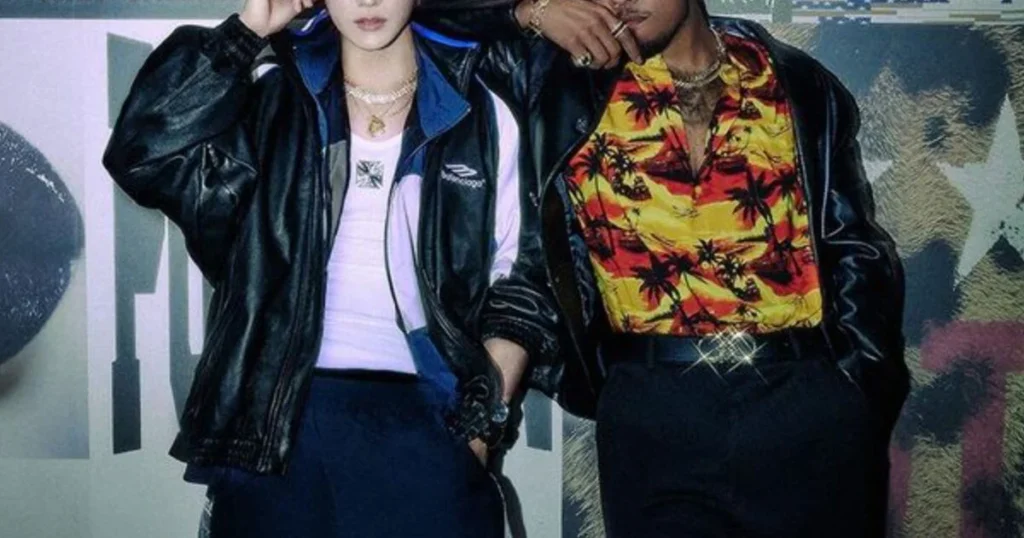
American singer, rapper, and acclaimed producer Anderson .Paak recently ignited a significant discussion within the global music community following viral remarks concerning the compensation structure for featured artists on tracks. His candid statement, which specifically lauded Korean artists for their financial commitment to collaborations, has elicited a diverse array of responses from netizens and industry observers alike, highlighting complexities in international music partnerships and cultural exchange.
The Grammy-winning artist, known for his distinctive blend of funk, soul, R&B, and hip-hop, and one half of the superduo Silk Sonic, made headlines on May 14th when a clip of his comments began circulating widely across social media platforms. In the snippet, .Paak explicitly stated, "Don’t nobody got no money except for Koreans […] International acts, they will pay you and fly you out and treat you right. Shout out to my Koreans." This declaration, coming from a figure of his stature, immediately resonated with fans and professionals, sparking conversations about industry standards, the economics of features, and the evolving landscape of global music collaborations.
Anderson .Paak: A Profile in Eclectic Excellence
Before delving into the ripple effects of his statement, it is crucial to understand Anderson .Paak’s standing in the music industry. Born Brandon Paak Anderson, the Oxnard, California native has cultivated a formidable career since the early 2010s. His breakthrough came with his sophomore album, "Malibu" (2016), which garnered critical acclaim and a Grammy nomination for Best New Artist. Known for his multi-instrumental prowess, particularly as a drummer, and his dynamic stage presence, .Paak has become a respected voice and performer. His collaboration with Bruno Mars as Silk Sonic, which yielded the chart-topping single "Leave The Door Open" and the album "An Evening with Silk Sonic," further cemented his status as a mainstream and critically adored artist, earning him multiple Grammy Awards, including Record of the Year.
Beyond his solo and Silk Sonic endeavors, .Paak has a robust portfolio as a producer and collaborator, working with a diverse range of artists across genres. His reputation is built on authenticity, musicality, and a keen understanding of production, making his observations about industry practices particularly weighty. His recent comments are not merely anecdotal but are viewed as an insider’s perspective on the financial realities of global music production.
The Intricacies of Music Features and Compensation
To fully grasp the significance of .Paak’s remarks, it is essential to understand the role and compensation of featured artists in contemporary music. A "feature" (often denoted as "feat." or "&") refers to an instance where an artist contributes to a track led by another artist. This can involve guest vocals, a rap verse, instrumental solos, or production input. Features are a vital component of the modern music industry, serving multiple purposes:
- Artistic Enhancement: Bringing diverse sounds and styles to a track.
- Cross-Promotion: Introducing artists to new audiences and expanding their reach.
- Commercial Appeal: Leveraging the star power of a featured artist to boost sales and streams.
Compensation for features varies widely. Traditionally, artists might receive a flat fee, a percentage of royalties, or a combination of both. For established artists, flat fees can range from tens of thousands to hundreds of thousands of dollars, sometimes even millions, depending on their stature and the expected commercial impact of their contribution. Royalty splits are more common for lesser-known artists or when the collaboration is more deeply integrated into the creative process. Beyond direct financial compensation, features can also involve non-monetary benefits such as increased exposure, networking opportunities, or even tour support.
.Paak’s specific mention of being "flown out and treated right" speaks to the comprehensive package that can accompany high-value collaborations. This includes not only the upfront payment but also logistical support, comfortable accommodation, and a respectful working environment, all of which contribute to the overall value proposition for a featured artist. His statement implicitly suggests that while features are common, the level of financial commitment and professional courtesy extended by Korean entities stands out in the global landscape.
K-Pop’s Economic Might and Global Expansion
The Korean music industry, particularly K-Pop, has experienced an unprecedented global ascent over the past two decades, transforming from a regional phenomenon into a dominant force in the international music market. This "Hallyu" or Korean Wave has been fueled by several factors:
- Strategic Investment: Major K-Pop entertainment companies (such as SM Entertainment, YG Entertainment, JYP Entertainment, and HYBE Corporation) invest heavily in talent development, sophisticated production, and global marketing.
- High-Quality Production: K-Pop is renowned for its polished music videos, intricate choreography, and high-fidelity audio production, often utilizing top-tier international producers and songwriters.
- Fan Engagement: A highly organized and dedicated global fandom drives album sales, streaming numbers, and social media engagement.
- Adaptability and Innovation: K-Pop frequently incorporates global music trends, leading to a hybrid sound that appeals to diverse audiences.
The economic power of the K-Pop industry allows these companies to allocate substantial budgets for collaborations with international artists, producers, and choreographers. For Korean labels, securing a feature from an artist like Anderson .Paak is not just an artistic choice but a strategic business decision aimed at enhancing their artists’ global credibility, expanding their reach into Western markets, and elevating the perceived value of their music. The willingness to pay premium fees, cover extensive travel, and ensure a positive working experience aligns with their overall strategy of investing in world-class quality and fostering international partnerships. This approach positions them as reliable and attractive collaborators for top-tier global talent.
Divided Responses: A Multifaceted Discussion
Anderson .Paak’s comments immediately sparked a vibrant and often divided discussion across social media, particularly Twitter, revealing deeper conversations within the music community.
Praise for Professionalism and Fair Compensation:
Many netizens and industry observers echoed .Paak’s sentiment, commending the Korean music industry for its professionalism and willingness to fairly compensate talent. One user, @bambinasalina, shared a personal anecdote that resonated widely: "he’s right they’re so respectful across the entire board til this day I always tell people the best music video set I’ve EVER been on in my life was BTS I left that set respecting tf out of how Koreans operate their business and treat the people the employ." This perspective highlighted the broader aspects of working conditions and respect, extending beyond just financial remuneration. Such testimonials reinforce the idea that K-Pop entities are not only financially capable but also committed to fostering positive working relationships with their international partners. This reputation for ethical business practices is invaluable in attracting top-tier talent and maintaining long-term collaborative ties.
The Cultural Appropriation Discourse:
Conversely, a significant portion of the response intertwined .Paak’s remarks with the ongoing and often contentious debate surrounding cultural appropriation within K-Pop, particularly concerning Black American culture. Several users posited that if K-Pop artists and companies frequently draw inspiration from or adopt elements of Black music, fashion, and dance, then proper compensation for Black artists involved in their productions should be a baseline expectation, not a commendable exception.
User @gyaruchive articulated this nuanced view, stating, "this opens up a new conversation about how korean labels are more than willing to properly compensate black artists (producers composers choreographers) while also talking their ignorance in cultural appropriation of black american culture." This comment underscores the complex dynamic where financial fairness is appreciated, yet it doesn’t necessarily absolve the industry of criticisms regarding its handling of cultural origins. Another user, @YAOIPATHIC, put it more bluntly: "w all the shit they steal from black people i would sure hope they paid for it every now and again."
This segment of the discussion suggests that while financial compensation is a positive step, it doesn’t fully address the ethical dimensions of cultural exchange, particularly when the lines between appreciation, inspiration, and appropriation become blurred. It calls for a more holistic approach that combines fair payment with genuine understanding, credit, and respectful engagement with the source cultures.

Economic Realities and Industry Standards:
Other reactions focused on the sheer economic power of the K-Pop industry. Some users inferred that the willingness to pay top dollar for features is a direct reflection of the immense financial success and global reach of Korean entertainment companies. As @retrokika tweeted, "y’all wondered why he collaborated with kpop idols… this might be one of the reasons LMAO." This perspective highlights the pragmatic business aspect: K-Pop labels have the capital and the strategic motivation to invest in high-profile collaborations to further their global market penetration and artistic prestige. It also raises questions about whether Western artists and labels, perhaps operating under different financial models or facing different market pressures, are less consistently generous in their compensation for features.
Anderson .Paak’s Extensive K-Pop Engagements
Anderson .Paak’s comments are particularly significant given his own substantial history of collaboration with Korean artists, underscoring his firsthand experience. His diverse portfolio includes working with some of K-Pop’s most prominent figures and groups:
- aespa: The popular girl group has collaborated with .Paak, demonstrating his versatility across different K-Pop subgenres.
- DEAN: The acclaimed R&B artist, known for his unique sound, has also partnered with .Paak, showcasing a bridge between Korean and American R&B scenes.
- NCT’s Taeyong: A prominent member of the expansive NCT group, Taeyong’s collaboration with .Paak highlights the willingness of individual K-Pop idols to seek out high-caliber international producers.
- G-Dragon: The "King of K-Pop" and leader of BIGBANG, G-Dragon’s work with .Paak further solidifies the mutual respect and artistic synergy between leading figures in both industries.
These collaborations are not merely one-off projects but represent a pattern of engagement that lends considerable weight to .Paak’s observations. His consistent involvement suggests positive experiences and a reciprocal understanding of artistic and financial value.
Broader Industry Implications and Future Outlook
Anderson .Paak’s viral remarks carry several broader implications for the global music industry:
- Setting a Benchmark for Compensation: His statement could inadvertently set a new expectation or highlight a perceived disparity in how artists are compensated for features across different markets. This might pressure other international labels to review their payment structures for collaborators.
- Enhancing K-Pop’s Reputation: While the cultural appropriation debate continues, the perception of K-Pop companies as fair and generous employers for international talent is certainly boosted. This could make the industry an even more attractive destination for Western artists looking for collaboration opportunities.
- Fueling the Cultural Exchange vs. Appropriation Debate: The discourse triggered by .Paak’s comments further solidifies the need for ongoing dialogue about ethical cultural engagement in music. It challenges the industry to move beyond mere financial transactions towards genuine respect, understanding, and equitable sharing of cultural influence.
- The Power of Artist Testimonials: When an artist of .Paak’s caliber speaks out, it carries significant weight. Such candid insights can influence how aspiring artists and established professionals view potential international partnerships.
- The Evolving Global Music Economy: The incident underscores the shift in global music power dynamics, with Asian markets, particularly South Korea, demonstrating significant financial muscle and strategic vision in shaping global trends.
In conclusion, Anderson .Paak’s seemingly straightforward observation about Korean artists paying for features has opened a Pandora’s Box of discussions, from the practical economics of music collaborations to the intricate ethical considerations of cultural exchange. His statement serves as a potent reminder that in the increasingly interconnected world of global music, financial compensation, professional respect, and cultural sensitivity are all integral components of successful and sustainable artistic partnerships. As the K-Pop industry continues its global expansion, the spotlight on its operational practices and cultural impact will only intensify, making such insider perspectives invaluable for understanding its ongoing evolution.
Related News