The Viral Incident and Initial Reactions
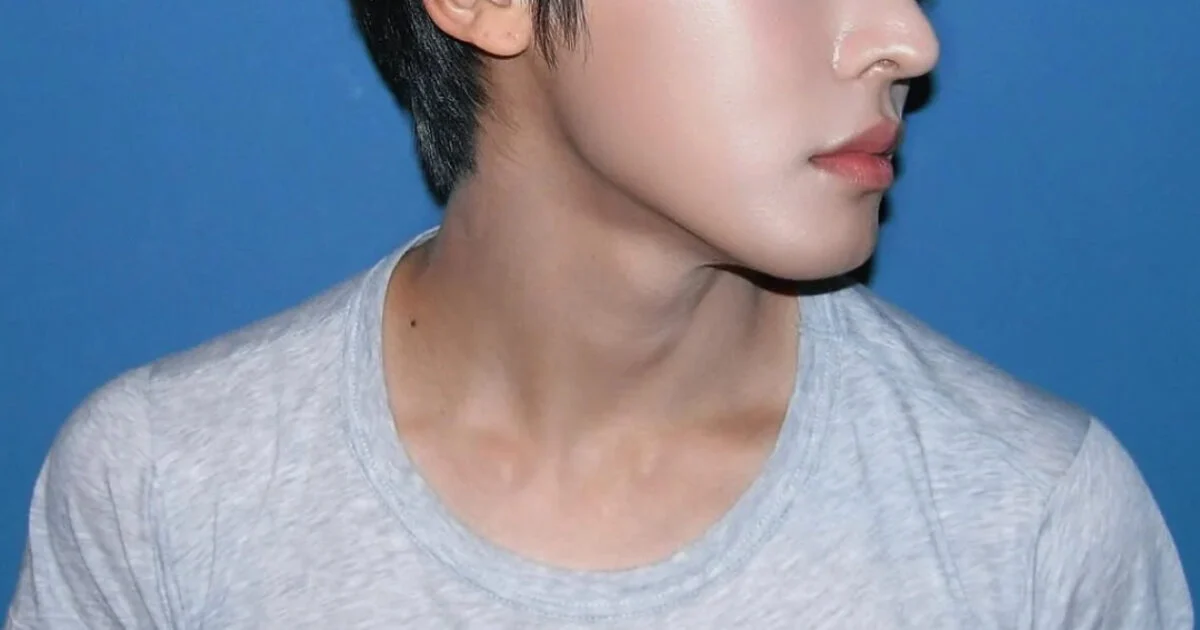
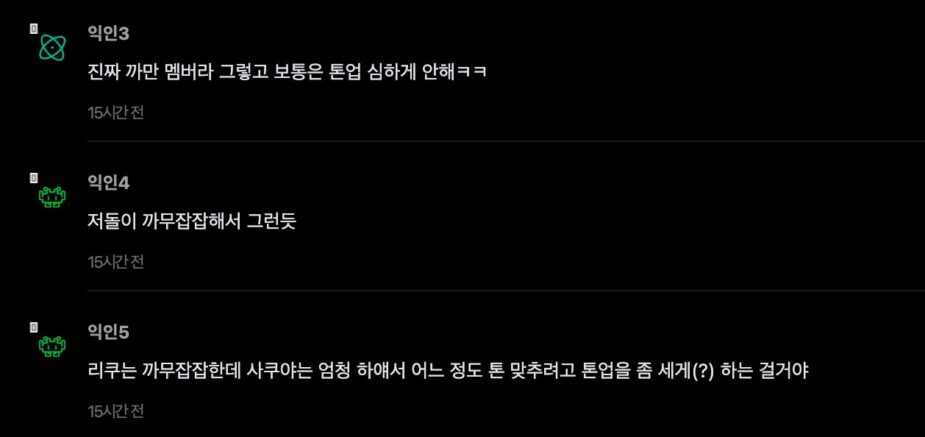
The controversy originated from a series of high-definition photographs and fan-captured images shared on the community site Instiz. The original poster (OP) curated a selection of images that appeared to show a significant contrast between Riku’s facial makeup and the skin on his neck and hands. In the post, which quickly garnered tens of thousands of views and hundreds of comments, the author expressed surprise at the application of the makeup, noting that it appeared to be more than a simple touch-up. "I thought they used foundation for touch-ups, but they just applied a light layer of foundation on him," the OP remarked, suggesting that the shade was several degrees lighter than the idol’s natural skin tone.
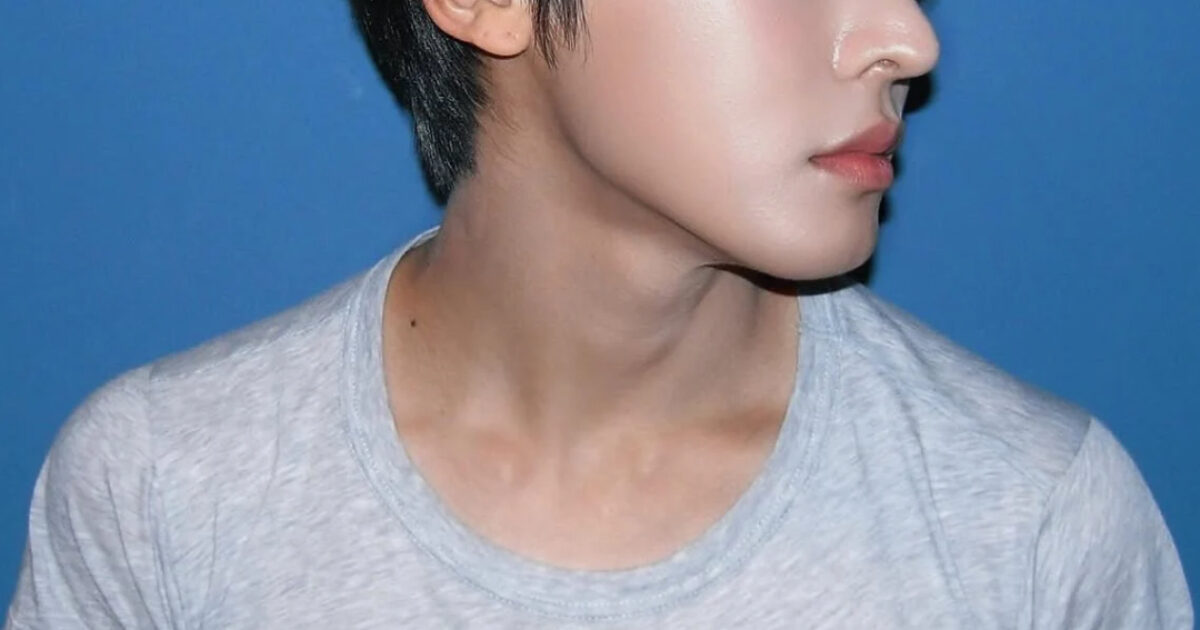
The images in question depicted Riku during a public appearance, where the bright flash of cameras and the direct overhead lighting seemed to accentuate the paleness of his face. For many netizens, this was interpreted as an attempt by the agency, SM Entertainment, or the group’s makeup team to adhere to the traditional "porcelain skin" ideal that has long dominated the East Asian entertainment landscape. Critics argued that the "whitewashing" effect was unnecessary and distracting, claiming that Riku’s natural, deeper skin tone is a charming feature that should be celebrated rather than masked.
The Trajectory of NCT WISH and Riku’s Rising Popularity
To understand the weight of this debate, one must look at the positioning of NCT WISH within the broader K-pop ecosystem. NCT WISH is the final sub-unit of the expansive NCT (Neo Culture Technology) brand, formed through the survival reality show NCT Universe: LASTART. The group, consisting of Sion, Riku, Yushi, Jaehee, Ryo, and Sakuya, officially debuted in early 2024 with a focus on both the Japanese and Korean markets.

Riku, a Japanese member of the group, quickly distinguished himself as a "stan attractor"—a term used in the industry for members who draw in a significant portion of the fandom—due to his sharp rapping skills, fluid dance style, and unique visual appeal. As a rookie idol under one of the "Big 3" entertainment agencies, every aspect of Riku’s presentation is meticulously managed. This high level of visibility means that even minor stylistic choices, such as foundation shade, are subject to public critique. The current debate reflects the high expectations placed on NCT members to maintain a specific "neo" aesthetic that balances experimental fashion with traditional idol beauty.
A Chronological Overview of the Online Discourse
The debate followed a predictable but rapid timeline common in digital fan cultures. Within hours of the initial post, the discussion migrated from Instiz to other platforms such as X (formerly Twitter), Pann Nate, and international forums like Reddit and Allkpop.

- The Catalyst (Day 1, Morning): The Instiz post goes live, featuring zoomed-in photos of Riku. The focus is on the "mask-like" appearance of the makeup under harsh lighting.
- The Polarization (Day 1, Afternoon): Netizens split into two camps. One group criticizes the stylists for failing to match the idol’s undertones, while the other defends the look as a standard industry practice for stage performances.
- The Counter-Evidence (Day 1, Evening): Dedicated fans of Riku begin posting "unfiltered" and "preview" photos from the same event. These images, often taken from different angles or with different camera settings, show a much more natural blending of makeup, suggesting that the original viral photos may have been affected by specific lighting conditions or camera flash.
- The Broader Industry Critique (Day 2): The conversation shifts from Riku specifically to the general trend of colorism and the "pale-skin obsession" in K-pop, with users citing other idols who have faced similar styling issues.
Understanding K-Pop’s Visual Identity and Beauty Standards
The debate surrounding Riku is inextricably linked to the historical and cultural context of beauty in South Korea and Japan. The preference for fair skin, often referred to as milky or glass skin, predates the modern K-pop era, rooted in historical associations of pale skin with nobility and indoor life, as opposed to the tanned skin associated with outdoor manual labor.
In the modern music industry, these standards are reinforced by high-definition broadcasting requirements. Television cameras and stage lights have a tendency to "wash out" features or make skin appear dull. To combat this, makeup artists often use brightening bases and high-coverage foundations to ensure the idol’s face remains vibrant and visible to the back of large arenas. However, when these techniques are viewed through the lens of a fan’s phone camera or a journalist’s high-speed flash, the result can often look unnatural, leading to the "shockingly bright" appearance noted by netizens.
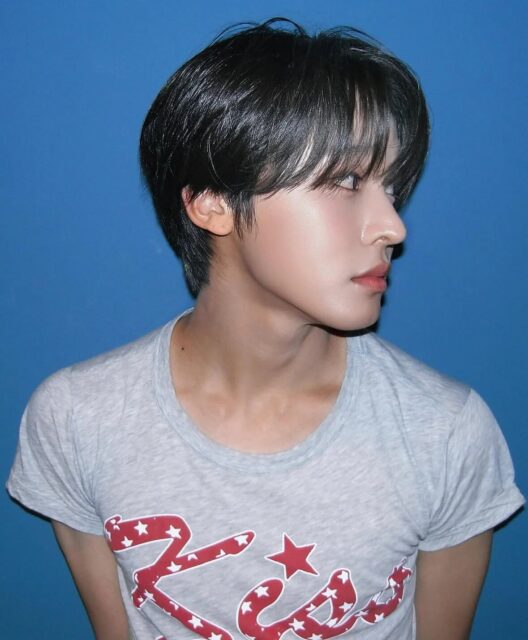
Furthermore, the K-pop industry utilizes a concept known as "Color Analysis" (Personal Color), where individuals are categorized as "Warm Tone" or "Cool Tone." There is a persistent trend in the industry to style idols in "Cool Tone" aesthetics—associated with brightness and clarity—regardless of their natural undertones. This often leads to the use of pink-based foundations on yellow-toned skin, creating the visible "grayish" or "stark white" cast that sparked the debate regarding Riku.
The Technical Nuances of Stage Lighting and Makeup Artistry
Professional makeup artists within the industry have frequently pointed out that what looks "natural" in person often looks "dead" on stage. For a group like NCT WISH, which frequently performs under intense LED screens and multi-colored spotlights, makeup must be heavy enough to withstand sweat and movement while remaining visible under thousands of watts of light.
Technical data from photography experts suggests that the "white cast" seen in the viral photos of Riku could be attributed to SPF ingredients in the foundation. Many high-end foundations used by idols contain physical sunscreens like titanium dioxide or zinc oxide, which are notorious for reflecting light back at a camera flash—an effect known as "flashback." This technical reality often gets lost in the social media narrative, where fans assume the paleness is a deliberate choice of "whitewashing" rather than a byproduct of the product’s chemical composition.
Fan Advocacy and the Counter-Narrative
While the initial reaction was one of "shock," a significant portion of the NCTzen (NCT’s fandom) community rose to Riku’s defense. These fans argued that the focus on his skin tone was a form of "nitpicking" directed at a rookie who is still finding his footing in the industry. By sharing high-quality fansite photos and video clips where Riku’s skin appeared healthy and well-matched to his body, the fandom sought to prove that the controversial images were outliers.

"Riku has always had a beautiful, healthy glow," one fan wrote on X. "The problem isn’t his skin; the problem is the industry’s obsession with editing every photo to look like a sheet of paper. Let him be himself." This sentiment highlights a growing movement among international and younger domestic fans who are pushing for more diverse representations of beauty within K-pop, advocating for "tan idols" and the end of excessive photo filtering.
Broader Societal Implications and the Evolution of Idolatry
The debate over Riku’s skin tone is more than just a conversation about makeup; it is a reflection of the evolving relationship between idols and their audience. In the past, the "perfection" of an idol was rarely questioned. However, in the era of social media and "behind-the-scenes" content, fans are increasingly interested in the "authentic" selves of their favorite artists.

This incident also underscores the global nature of K-pop. As NCT WISH targets a global audience, they encounter different cultural perspectives on skin tone. While a pale complexion might be the standard in Seoul, many international fans view the masking of an idol’s natural skin as a rejection of their true identity. This cultural friction often plays out in the comment sections of community posts, where global fans call for "makeup that matches" and domestic fans defend "traditional aesthetics."
Conclusion: The Path Forward for Rookie Idols
As of now, neither SM Entertainment nor Riku’s styling team has issued an official response to the online debate. This is standard practice, as agencies typically avoid acknowledging minor styling controversies to prevent further amplification. However, the internal feedback loop within these companies is often influenced by such viral moments. It is common to see an idol’s styling shift—becoming more natural or better suited to their undertones—following a period of sustained public feedback.
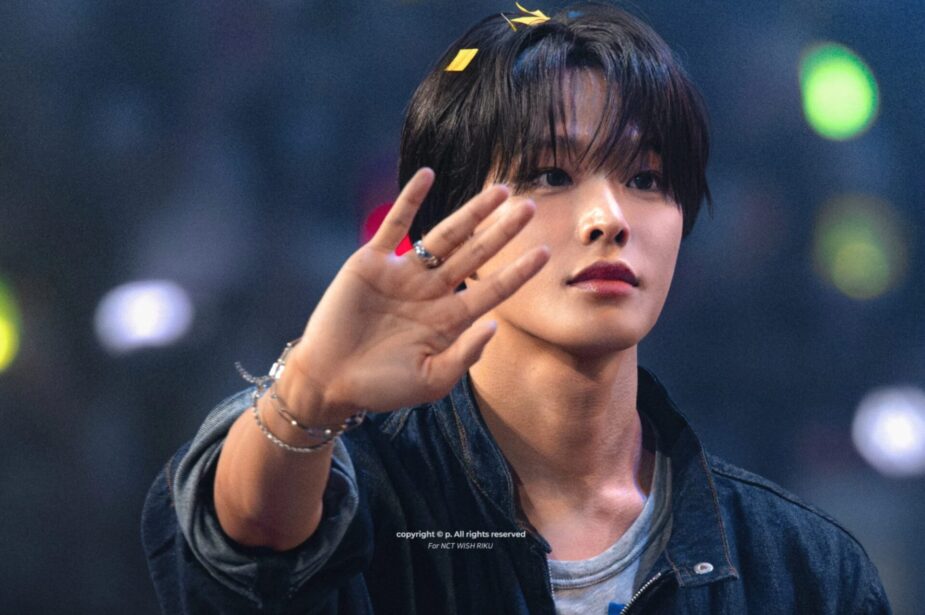
For Riku, the debate serves as a testament to his burgeoning fame. Only idols with significant public interest become the subjects of such detailed scrutiny. As NCT WISH continues their promotional cycle, the focus will likely shift back to their musical output and performance capabilities. Nonetheless, this incident remains a poignant reminder of the delicate balance K-pop artists must strike between cultural expectations, technical requirements, and the burgeoning demand for authenticity in the digital age. The "shockingly bright" skin tone debate is just one chapter in the ongoing evolution of K-pop’s visual language, signaling a future where the definition of "idol-like beauty" may finally begin to broaden.