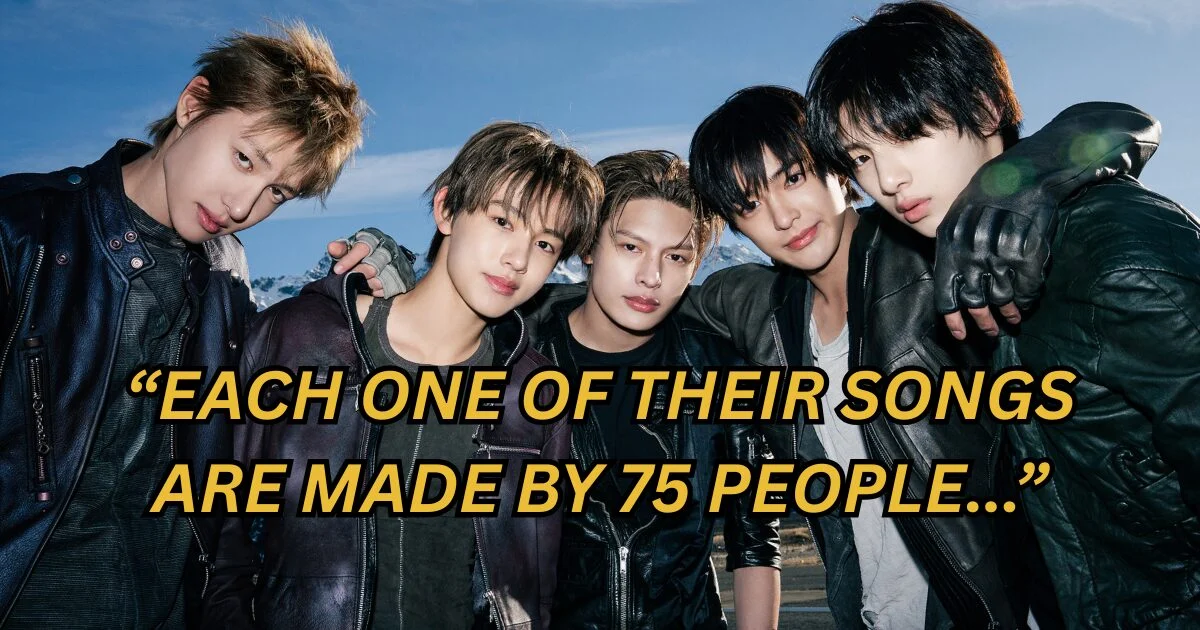
The intersection of Western hip-hop and the global K-pop phenomenon has reached a new point of friction following a series of highly publicized social media exchanges between US-based rapper Matt Proxy and fans of the rising K-pop group CORTIS. What began as a cross-cultural musical recommendation has spiraled into a sprawling debate regarding the ethics of the South Korean music industry, the boundaries of cultural appreciation versus appropriation, and the personal accountability of public figures in the digital age. The incident has left the international music community radically divided, highlighting long-standing tensions between the origins of hip-hop culture and its adaptation by international pop idols.
The controversy was set in motion during the first week of July 2026, when Martin, a prominent member of the group CORTIS, utilized a fan-engagement platform to recommend a song by Matt Proxy. In the K-pop ecosystem, such recommendations often serve as a bridge between genres, frequently resulting in a surge of "streaming" and support from the idol’s dedicated fanbase. However, the anticipated symbiotic relationship between the two artists quickly soured. Instead of acknowledging the gesture with the customary professional courtesy often seen in these interactions, Proxy responded by harshly criticizing the musical output of CORTIS. The rapper’s initial "shading" of the group immediately drew the ire of CORTIS’s global fanbase, who viewed the response as unprovoked and disrespectful to an artist who was actively promoting his work.
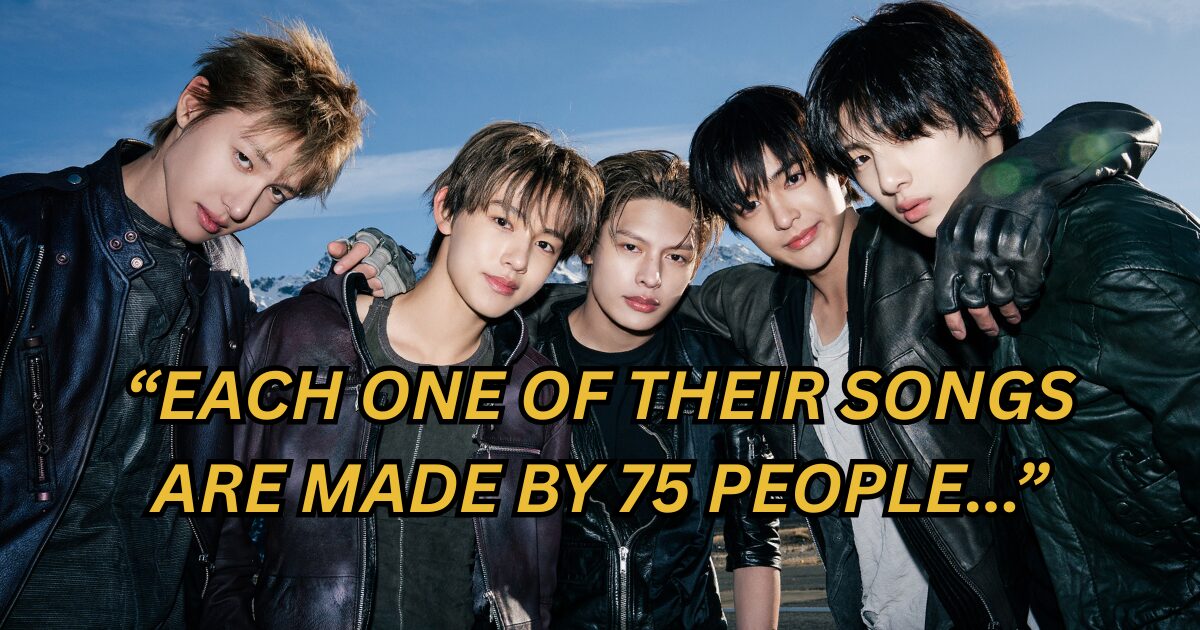
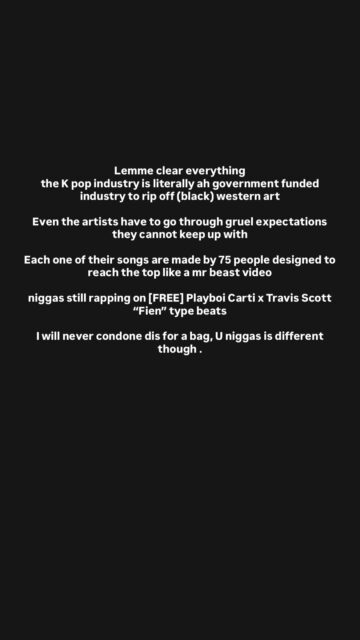
As the backlash against Proxy intensified on platforms like X (formerly Twitter) and Instagram, the rapper chose not to issue a retraction or an apology. Instead, he doubled down on his stance, transforming a specific critique of one group into a systemic indictment of the K-pop industry at large. Through a series of Instagram stories, Proxy articulated a critique that has resonated with some segments of the music industry while deeply offending others. He argued that the K-pop industry is fundamentally built upon the "ripping off" of Black art and culture, suggesting that the genre’s aesthetics, choreography, and musical foundations are derivative of African American innovations without providing adequate credit or respect to the source.
Related Articles
Furthermore, Proxy characterized the South Korean idol system as "highly manufactured," a common criticism from Western observers who view the intensive trainee process and corporate control of idols as antithetical to the perceived "authenticity" of the hip-hop genre. He further alleged that the industry "victimizes" its own performers, pointing to the rigorous beauty standards, restrictive contracts, and high-pressure environments that many idols endure before and after their debut. By framing his dislike of CORTIS within these broader socio-political and industry-wide contexts, Proxy shifted the narrative from a personal feud to a critique of global cultural consumption.
The situation escalated further when Proxy employed provocative imagery to emphasize his points. In one post, he used the internet slang term "mog," stating, "I mog CORTIS," a phrase derived from "AMOG" (Alpha Male of Group), which in contemporary digital culture signifies asserting physical or social dominance over another. To illustrate his contempt for the industry’s history of cultural insensitivity, Proxy changed his social media profile picture to an image of Hyunjin, a member of the group Stray Kids, from a past controversy involving an afro-style wig and a large red lip prop—items traditionally associated with racist caricatures and blackface. He followed this by posting an image of another Stray Kids member, Bang Chan, wearing cornrows, sarcastically highlighting instances where idols have been accused of cultural appropriation.

These specific choices of imagery were clearly intended to serve as a "receipt" for Proxy’s claims regarding the industry’s treatment of Black culture. By resurfacing these past controversies, Proxy aimed to prove that his criticisms were not merely personal opinions but were based on documented instances of cultural insensitivity within the K-pop sphere. This move, however, acted as a catalyst for a massive divide in public opinion.
On one side of the debate, a significant number of netizens and social media commentators expressed support for Proxy’s underlying message. Supporters argued that while his delivery may have been abrasive, the core of his argument—that K-pop frequently utilizes Black culture as a costume or a marketing tool while ignoring the systemic issues facing Black creators—is a valid and necessary conversation. Many pointed out that the "manufactured" nature of K-pop often leads to a lack of education regarding the cultural origins of the music idols perform. On X, several users echoed Proxy’s sentiments, with one stating, "He’s right, and it’s not just CORTIS," while others noted that it is "easy to take the moral high ground" when discussing an industry with a documented history of cultural missteps.
Conversely, a large portion of the K-pop community and general observers questioned Proxy’s motives and his own moral standing. Critics pointed out a perceived hypocrisy in Proxy’s behavior, suggesting that his "callout" of the industry was less about social justice and more about seeking clout or engaging in performative activism. The backlash took a darker turn as netizens began to unearth alleged past comments and associations linked to Proxy. Unverified screenshots and reports began circulating, accusing the rapper of having previously made light of sensitive subjects, including Nazism and child exploitation.
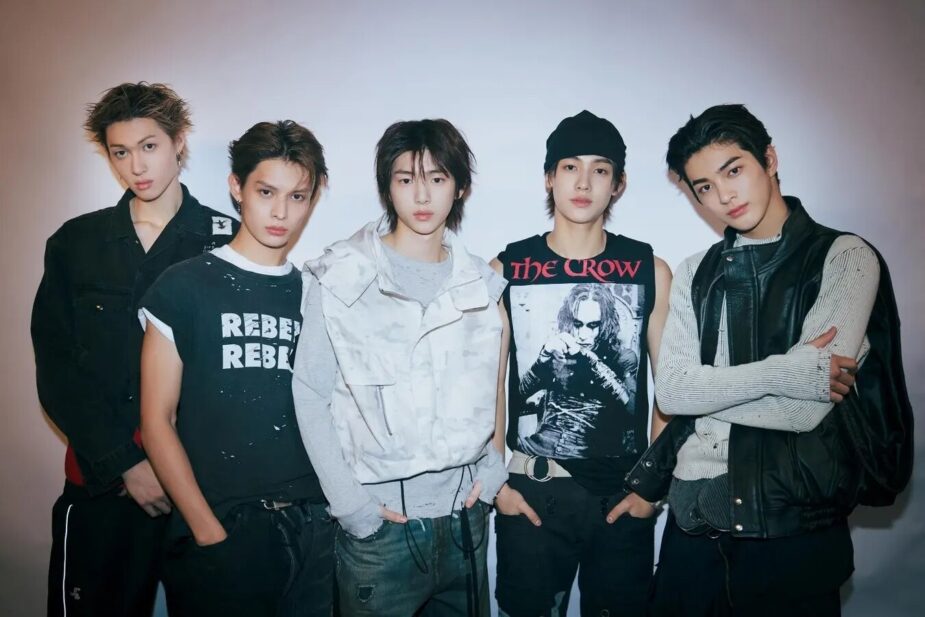
One viral post on X demanded that Proxy "start reflecting on why 1 GB of CP [child pornography] would ‘get you right,’" referring to alleged past statements that have not been legally substantiated but have significantly damaged his credibility among his detractors. Others criticized his use of the phrase "little Asian girls" in previous rants, labeling his rhetoric as xenophobic and misogynistic. For these critics, Proxy’s defense of Black culture was seen as a shield used to justify bullying and harassment of Korean artists, rather than a sincere effort to promote cultural understanding.
The fallout of this dispute highlights the complex relationship between the K-pop industry and the global Black diaspora. Historically, K-pop has its roots in the early 1990s with groups like Seo Taiji and Boys, who were heavily influenced by American hip-hop and R&B. Over the decades, South Korean entertainment agencies have hired Western producers and choreographers—many of whom are Black—to craft the sound and look of their groups. While this has led to high-quality production and global success, it has also led to frequent accusations of "cultural mining," where the aesthetics of hip-hop are adopted without an understanding of the struggle and history behind them.
From a business perspective, the controversy presents a challenge for BigHit Music (the agency associated with CORTIS in some reports) and other K-pop labels. As these groups expand further into the North American market, they face increased scrutiny regarding their cultural awareness. The industry has made strides in recent years, with many idols and agencies issuing apologies and engaging in cultural sensitivity training following public outcries. However, as the Proxy incident demonstrates, the "manufactured" label remains a difficult stigma to shake, especially when confronted by artists from the very genres K-pop seeks to emulate.
The chronological progression of this event suggests that the digital divide will likely persist. The speed at which social media allows for the escalation of such disputes often precludes nuanced discussion. In the 24 hours following Proxy’s Instagram stories, the hashtags related to the incident trended globally, drawing in thousands of participants who had never heard of Matt Proxy or CORTIS prior to the feud. This "outrage economy" often rewards inflammatory statements over constructive dialogue, a fact that both Proxy and his critics have seemingly navigated to maximize visibility.
As of the current reporting period, neither CORTIS nor their representing agency has issued a formal statement regarding Matt Proxy’s comments. This silence is typical of the K-pop industry’s strategy of "de-escalation through non-engagement," intended to starve controversies of oxygen. However, the internal impact on the group and their fans is evident in the defensive mobilization of the fanbase. For Martin, the member who initiated the recommendation, the situation serves as a cautionary tale regarding the unpredictable nature of international artist interactions in an era of heightened cultural sensitivity.
Ultimately, the clash between Matt Proxy and the CORTIS fanbase serves as a microcosm of a much larger global conversation. It touches upon the ethics of cultural exchange in a hyper-connected world, the validity of "authenticity" in commercial art, and the ways in which personal histories can complicate one’s role as a social critic. While the specific insults exchanged on Instagram may eventually fade, the questions raised about the K-pop industry’s foundations and its responsibilities toward the cultures it draws inspiration from will likely remain a central theme in the evolution of global music. The radical division of netizens reflects a world grappling with how to balance appreciation for a global art form with the necessity of respecting its diverse and often marginalized origins.