
The Shift from Passive Fandom to Critical Analysis
For many participants in the K-pop ecosystem, the transition from being a casual listener to an analytical contributor marks a fundamental change in their relationship with the genre. Contributors to the Seoulbeats platform have noted that the act of writing critically about K-pop often leads to a sense of "detachment" from traditional fandom vitriol. This detachment is not necessarily a loss of interest, but rather a maturation of perspective. By engaging with a group of like-minded individuals who prioritize logic over blind loyalty, many writers found that the need for immersion in specific, often volatile, fandom spaces decreased.

This phenomenon is reflected in the experiences of long-term observers who report that while their fervor for specific idols may have stabilized, their appreciation for the technical and creative output of the industry has intensified. The constant exposure to a high volume of content—ranging from mediocre releases to high-concept artistic achievements—forces a critical calibration. Analysts suggest that this "vigilant watch" for new material allows critics to identify neglected talent and appreciate the diversity of sounds within what outsiders often dismiss as a homogeneous genre.
Chronology of the Korean Wave and Digital Media Integration
The impact of critical discourse can be best understood through the timeline of Hallyu’s global expansion. The following chronology outlines the intersection of K-pop growth and the rise of analytical fan media:
Related Articles
- 2000–2009 (Hallyu 1.0): The initial wave was dominated by Korean dramas (K-Dramas) such as Winter Sonata and Dae Jang Geum, primarily finding success in East and Southeast Asia. Fandom was localized, and English-language resources were scarce.
- 2009–2011 (The Rise of the Idol System): Groups like Girls’ Generation, BIGBANG, and Wonder Girls began making inroads into Western markets. Digital platforms like YouTube and Twitter became the primary drivers of international growth.
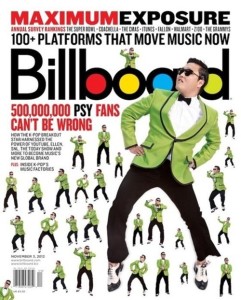
- 2012 (The "Gangnam Style" Inflection Point): Psy’s viral success brought K-pop into the global mainstream consciousness. This period saw a massive influx of "K-pop loners"—fans who consumed the media in isolation—seeking online communities.
- 2013–2015 (The Era of Critical Commentary): Sites like Seoulbeats began to gain traction by offering editorials on "the dark side" of the industry, cultural appropriation, and the "Idol Code." This era marked the birth of the "critical fan."
Data-Driven Growth and Industrial Volume
The sheer volume of content produced by the South Korean entertainment industry is a primary driver for the necessity of critical media. In 2012, the South Korean music industry reached a valuation of approximately $3.4 billion, a significant portion of which was attributed to exports. According to data from the Korea Creative Content Agency (KOCCA), K-pop exports grew by an average of 31% annually during the early 2010s.
This industrial scale means that hundreds of new groups and thousands of songs are released annually. For the critical observer, this volume presents a dual challenge: wading through "duds" to find "the good stuff" and maintaining a standard of performance. Observers have noted that the "idol-making process" has been refined to such a degree that a universally decent standard of dancing and singing is now expected. This high baseline of production quality requires critics to look beyond surface-level aesthetics and focus on composition, stage charisma, and the business strategies of major labels like SM, YG, and JYP Entertainment.

Addressing the "Idol Code" and Business Transparency
A recurring theme in the discourse surrounding Hallyu is the "Idol Code"—a set of behavioral expectations that dictate how performers must conduct themselves both in public and private. This includes the controversial "dating bans" and the requirement for idols to maintain a persona of perpetual availability to their fans. Critical platforms have played a vital role in unraveling these complexities, often using Western standards of labor and personal freedom to critique Eastern industrial practices.
However, many analysts have cautioned against the wholesale imposition of Western cultural standards. The dialogue between writers and readers on these platforms often explores the "conundrum" of idol behavior, debating whether these expectations are a necessary part of the "product" or an outdated restriction on human rights. This level of discussion moves the conversation away from simple gossip and toward a broader sociological inquiry into the nature of celebrity and the business of manufactured entertainment.

The Sociological Impact on the "K-pop Loner"
Before the rise of centralized critical hubs, many international fans experienced K-pop in total isolation. Without local friends who shared their interests, these "K-pop loners" relied on digital spaces to validate their thoughts and feelings. The transition from a reader to a writer or active commenter provides a sense of belonging that is distinct from traditional fandom.
Unlike "stanning" communities, which often demand total conformity and defense of an idol at any cost, critical communities encourage disagreement. Writers have noted that receiving feedback—even negative feedback—from a global audience forces them to accept that diverse preferences and opinions are valid. This environment fosters "critical thinking" skills that many participants apply to other areas of their lives, including their perception of their own country’s media and societal issues.

Broader Implications and Mainstream Integration
Despite the massive growth of Hallyu, a persistent skepticism remains regarding K-pop’s ability to become a "fixed" or permanent fixture in the Western mainstream. While acts like BTS and BLACKPINK would later break significant records, the discourse in the early 2010s was characterized by a cautious realism. Critics pointed out that while K-pop is a powerful "niche," it often functions more as a form of cultural propaganda or a highly specialized export rather than a universal musical movement.
The critical lens provided by platforms like Seoulbeats has allowed fans to acknowledge the greatness of the music while remaining skeptical of the hype. This balanced view is essential for the long-term sustainability of the genre. By holding the industry accountable for its flaws—such as the lack of transparency in corporate structures and the "passive-aggressive" nature of idol communications—critical fans contribute to a more robust and honest cultural exchange.

Conclusion: The Future of Global Fandom
The legacy of the early 2010s critical movement in K-pop fandom is the creation of a more astute, media-literate consumer base. Today’s fans are more likely to understand the business aspects of music, from digital sales tracking to the nuances of music show wins. They are more conscious of the "Idol Code" and are increasingly vocal about the mental health and labor rights of performers.
As the Hallyu Wave continues to evolve, the role of the critic remains indispensable. The transition from being a fan who simply "spazzes" over an idol to an observer who can articulate the technical and subjective merits of a performance represents the maturation of the global audience. Whether or not K-pop ever achieves total mainstream dominance in the West, the intellectual community built around it has ensured that it will be remembered as a significant and deeply analyzed cultural phenomenon. The "Seoulbeats campfire," as it was once described, served as a foundational space for this evolution, proving that pop culture is not just something to be consumed, but something to be understood, challenged, and ultimately, respected.