The global expansion of the South Korean music industry, commonly known as K-pop, has created a unique cultural crossroads where diverse audiences converge over a shared love for highly produced entertainment. However, as the genre continues to draw heavily from African American musical traditions, a complex dialogue has emerged regarding the experiences of Black K-pop fans. This demographic often finds itself at the center of a paradoxical relationship: they are the primary consumers of a culture that frequently emulates their own, yet they often face marginalization, cultural appropriation, and a lack of representation within the very fandoms they support. This report explores the nuanced perspectives of Black K-pop fans, the historical influence of Black artists on the Hallyu wave, and the ongoing challenges of navigating a fandom that oscillates between appreciation and appropriation.
The Foundation of K-pop and the Influence of Black Music
To understand the current friction within the K-pop industry, it is essential to acknowledge that the genre’s modern architecture is built upon a foundation of Black musical innovation. From the early 1990s, when Seo Taiji and Boys introduced hip-hop and New Jack Swing to the Korean mainstream, the industry has looked toward R&B, soul, jazz, and hip-hop for its sonic identity.
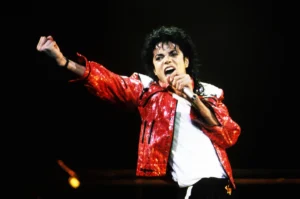
During the mid-2010s—a period marked by the rise of "hip-hop concepts" among idol groups—the influence of Black entertainers became more overt than ever. Artists like Michael Jackson provided a blueprint for the performance-heavy, aesthetic-driven music videos seen in the works of idols such as Taemin and Niel. Simultaneously, groups like BTS began to garner respect from Black fans by vocally acknowledging their influences. RM (formerly Rap Monster) has frequently utilized social media to recommend artists such as D’Angelo, Prince, and India.Arie, signaling a level of genuine appreciation that goes beyond mere stylistic imitation.
Related Articles

The presence of American R&B legends like John Legend at the Mnet Asian Music Awards (MAMA) further solidified the industry’s desire for validation from the architects of the genres they emulate. However, as the industry transitioned from "Hallyu 1.0" to a more global "Hallyu 2.0," the lines between honoring these roots and exploiting them for a "trendy" image became increasingly blurred.
A Chronology of Controversy: From Appropriation to Blackface
The mid-2010s saw a surge in incidents that sparked intense debate among international fans. These controversies highlight a significant gap in cultural literacy within South Korean entertainment agencies.

- The Confederate Flag Incident (2015): The appearance of the Confederate flag in K-pop fashion, notably in the context of Infinite H’s promotional cycle, drew immediate condemnation from Western fans. The defense often cited by some fans—that Western artists like Kanye West had utilized the imagery—was met with criticism from Black fans who argued that a single artist’s provocative use of a symbol does not negate its historical weight as a symbol of systemic oppression.
- The Rise of "Hip-Hop Concepts" (2014–2015): The debut of several "hip-hop" rookie groups raised concerns about the longevity and authenticity of these concepts. While groups like BTS engaged deeply with the history of the genre (as seen in their reality program American Hustle Life), others were criticized for using hip-hop as a "gimmick." 4Minute’s "Crazy" and Keith Ape’s "It G Ma" became lightning rods for discussions on whether these artists were "acting Black" to project a "tough" or "authentic" persona without understanding the socioeconomic origins of the culture.
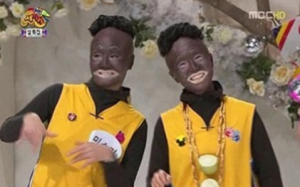
- Blackface and Media Caricatures: Recurring instances of blackface in Korean variety shows and by idols like Yesung highlighted a persistent issue with minstrelsy-style humor. While defenders often point to a lack of historical education regarding U.S. history in South Korean schools, critics argue that in a digital age where these companies seek global profit, ignorance is no longer a viable excuse.
- Lyrical Missteps and Slurs: The use of racial slurs by rappers such as Zico and San E created significant rifts. While some agencies, like Seven Seasons, eventually responded to fan education efforts, the initial defense—that these words were used to express "anger" or "frustration" at the industry—often felt like an attempt to prove superiority or "edge" at the expense of Black listeners.
The Paradox of Appropriation vs. Appreciation
At the heart of the discourse among Black fans is the distinction between appropriation and appreciation. Cultural appropriation is defined as the adoption of elements of one culture by members of another culture, particularly when the adopting group is in a position of greater social or economic power and uses those elements as a "costume" or a marketing tool.
Camiele, a prominent voice in the Black K-pop fan community, notes that the issue often stems from a refusal to do basic research. "Appropriation is using someone else’s culture as a costume and daring to say you have every right to ‘use’ that culture however you like," she explains. This sentiment is echoed by fans who observe that while K-pop idols often adopt Black hairstyles (braids, cornrows, locs) and vernacular, they rarely speak out on issues affecting the Black community or acknowledge the legends who paved the way, such as KRS-One or the African roots of hip-hop.

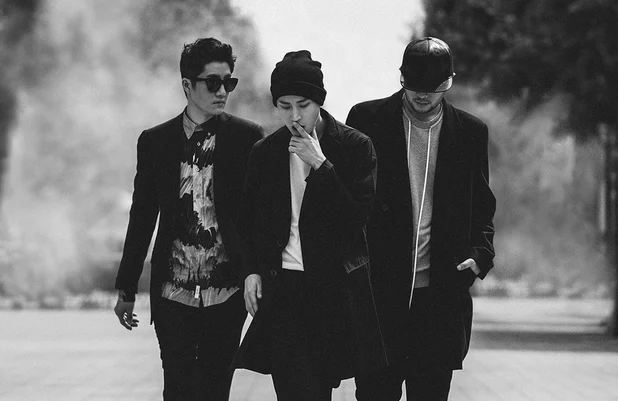
Conversely, true appreciation is seen when artists like Tiger JK, Tasha (Yoon Mi-rae), and Dynamic Duo remain true to their own identities while utilizing hip-hop as a vehicle for storytelling. These artists are often cited as "legends" by Black fans because they demonstrate a mastery of the craft rather than a caricature of the culture.
The Fan Experience: Invisibility and "The Lovey-Dovey Illusion"
The psychological impact of being a Black fan in a predominantly non-Black space is significant. Many fans report a sense of "invisibility" within fan-produced content. In the world of fanfiction and "reader-insert" stories, physical descriptions often default to Eurocentric or East Asian features, making it difficult for Black fans to see themselves as the "desirable" romantic interest of their biases.
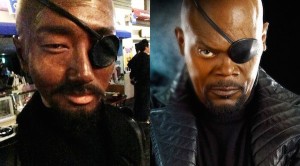
"When a reader-insert fanfiction has a guy running his hands through my hair, I immediately laugh because there is no way anyone is ever running their hand through my mass of hair," says Taylore, a fan who finds that this lack of representation actually serves as a protective barrier against the "delusional" aspects of fandom.
Furthermore, the "colorism" prevalent in East Asian beauty standards often trickles down into the fandom. Idols with darker skin are frequently "whitewashed" in fansite photos, and Black fans often have to navigate comments from fellow fans that range from "exoticizing" to outright racist. This creates a environment where Black fans must constantly weigh their love for the music against the frequent belittlement of their identity.

Official Responses and the Path to Education
While many agencies have been slow to change, there have been instances of progress. International fans have increasingly used social media to contact agencies directly. When Zico and Block B faced backlash for culturally insensitive behavior, their agency, Seven Seasons, was noted for responding positively to fans who reached out to educate them.
This "fan-led education" model suggests that the global K-pop audience is no longer passive. They are demanding a level of cultural competence that matches the industry’s global ambitions. However, the recurring "let it slide" retort from non-Black fans remains a point of contention. This passive-aggressive dismissal of Black fans’ feelings suggests that many in the community prioritize the comfort of the idol over the dignity of the marginalized fan.

Broader Impact and Implications for the Industry
The data regarding K-pop’s growth in the United States and Europe suggests that the "Black dollar" and Black cultural influence are pivotal to the industry’s success. As of 2015, K-pop was no longer a niche market; it was a multi-billion dollar export. To sustain this growth, industry executives must reconcile the "isolationist" tendencies of domestic production with the realities of a globalized market.
The tension between Korean and Black rappers, for instance, is often rooted in a struggle for "authenticity." There is a perceived "Impress Us" sign over non-Black rappers who enter the hip-hop scene. If the Korean industry continues to water down hip-hop while simultaneously mocking its originators, it risks losing the very "cool factor" it seeks to capitalize on.
Conclusion: A Kaleidoscope of Colors
Ultimately, the consensus among Black K-pop fans is a desire for respect. Cjontai, a contributor to the discussion, emphasizes that respecting the roots of K-pop means respecting the contributions of the Black community. "Without our influence, K-pop would probably be a lot of trot music and EDM. You wouldn’t have R&B, and you most definitely wouldn’t have hip hop."
The beauty of music, as many fans agree, lies in its ability to be a "stained-glass window"—a kaleidoscope of colors and cultures. For K-pop to truly shine on the world stage, it must move beyond imitation and into a phase of genuine, informed collaboration. For Black fans, the journey remains one of resilience: staying for the music they love while constantly advocating for a seat at the table and a space where their culture is honored, not just harvested.