


The global ascent of Korean popular music, known as K-pop, has transformed from a niche regional interest into a multi-billion-dollar international industry. Central to this phenomenon is the unique and often intense trajectory of the individual fan experience. While every listener’s journey is distinct, sociological observations of the K-pop community reveal a remarkably consistent pattern of behavior and emotional investment. This progression, moving from initial cultural friction to deep psychological immersion and eventual equilibrium, offers a profound case study in modern consumer behavior and digital age parasocial relationships.
The Cultural Gateway: Cognitive Friction and Initial Exposure
The primary encounter with K-pop often occurs through digital discovery, frequently mediated by social media algorithms or peer recommendations. For many uninitiated observers, particularly those in Western markets, the first impression is one of "sensory overload." This initial stage is characterized by a mix of fascination and confusion. The aesthetic hallmarks of the genre—meticulously choreographed dance routines, high-concept "neon box" music videos, and gender-fluid fashion—often stand in stark contrast to the prevailing norms of global pop music.
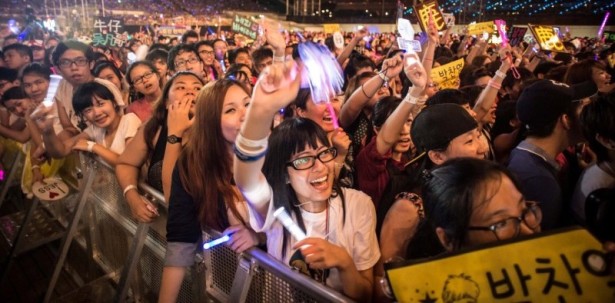
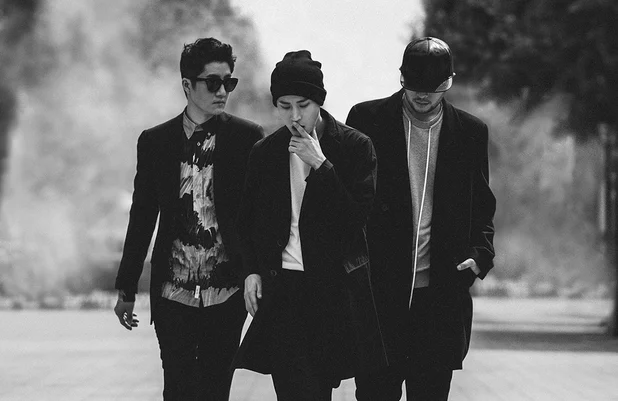
Data from the Korea Creative Content Agency (KOCCA) suggests that the "visual performance" aspect is the leading factor in attracting international fans. However, this same complexity can initially serve as a barrier. Newcomers may perceive the industry as overly manufactured or "gimmicky." Furthermore, for those already entrenched in a specific fandom, the introduction of a new group can trigger a defensive response. A common historical example involves the early comparisons between groups like BTS and B.A.P, where fans of established acts often viewed newcomers as derivative—a phenomenon known as "fandom territorialism." Despite this initial resistance, the high production value of the content often leaves a lingering curiosity that facilitates the next phase of engagement.
The Investigative Phase: The Role of Digital Infrastructure
Following the initial exposure, a "nascent curiosity" typically leads to the investigative stage. This phase is heavily supported by the sophisticated digital infrastructure surrounding K-pop. Platforms like YouTube, TikTok, and Twitter (now X) play a critical role. A single search for a song—such as Girls’ Generation’s experimental 2013 hit "I Got a Boy"—can trigger an algorithmic "rabbit hole," presenting the viewer with an endless stream of variety show appearances, "behind-the-scenes" footage, and fan-edited compilations.
During this period, the listener transitions from a casual observer to an active researcher. The objective shifts from merely hearing the music to understanding the "lore" and the individual personalities within a group. This stage is crucial for the industry’s business model, as it moves the consumer from a passive product user to an emotionally invested participant.

Deep Immersion and the Development of Parasocial Bonds
The third stage of the fandom experience is characterized by total immersion, often referred to within the community as "falling down the rabbit hole." This phase is marked by the development of intense parasocial relationships—one-sided emotional bonds where the fan feels a deep personal connection with the idol. It is here that the specific vocabulary of K-pop takes hold: the "bias" (a favorite member), the "ultimate bias" (a favorite idol across the entire industry), and the "bias wrecker" (a member who threatens to displace the favorite).
The psychological investment during this stage is significant. Fans often prioritize the idol’s schedule over their own, monitoring social media for updates, "selcas" (selfies), and livestream notifications. According to industry analysis, this level of engagement is not accidental; it is the result of a deliberate "360-degree" marketing strategy employed by agencies like SM Entertainment, YG Entertainment, and HYBE. By providing constant content, agencies ensure that the idol remains a permanent fixture in the fan’s daily life. This stage often involves "digital labor," where fans spend hours streaming music videos or voting in award categories to ensure their favorite group wins a "Daesang" (grand prize).
The Cycle of Denial and the Realization of Imbalance
As the immersion deepens, many fans enter a state of denial regarding the impact of their hobby on their professional and personal lives. The "Obsessive Stage" can lead to sleep deprivation—often due to time zone differences during live events—and a decline in academic or workplace productivity. When confronted by friends or family, fans in this stage may retreat further into digital communities where their behavior is normalized and encouraged.

However, the "Acknowledgement Stage" eventually follows, often triggered by a moment of exhaustion or a significant external event, such as a "fandom war" or a controversial news cycle involving their favorite group. The realization of the "bags under one’s eyes" or a stack of overdue assignments serves as a catalyst for self-reflection. This period often sees fans declaring a "semi-hiatus" on social media platforms like Tumblr or Twitter, attempting to distance themselves from the constant cycle of consumption to regain a sense of "normalcy."
Rehabilitation, Relapse, and the Search for Equilibrium
The transition back to a balanced life is rarely linear. The "Rehabilitation Stage" involves a conscious effort to return to old hobbies and a standard sleeping schedule. Fans may attempt to listen to different genres of music or limit their time on social media. Yet, the K-pop industry is designed to trigger "relapses." The announcement of a "comeback" (a new album release) or a world tour can easily pull a recovering fan back into the fold.
The guilt associated with missing a major milestone—such as an idol winning a prestigious award or posting a significant update—often drives the fan back into a state of "diehard devotion." This cycle of quitting and returning is a common narrative in fan testimonials, highlighting the addictive nature of the high-frequency content delivery model.

Long-term Trajectories: Harmony versus Renouncement
Ultimately, most fans arrive at one of two final destinations: The Balanced Stage or The Renouncement.
The Balanced Stage
In this scenario, the fan achieves a "Zen-like" harmony. They accept that they cannot consume every piece of content or participate in every digital movement. They learn to enjoy the music and the visuals within healthy boundaries. This stage represents the maturation of the consumer, where the emotional connection remains, but it no longer dictates the individual’s lifestyle. These fans become the "silent majority" of the industry—stable consumers who provide consistent revenue without the volatility of extreme obsession.
The Renouncement
Conversely, some individuals undergo a total departure from the fandom. This "Renouncement" can be driven by several factors:

- Natural Attrition: The fan simply outgrows the genre as their life priorities shift (e.g., entering the workforce or starting a family).
- Disillusionment: Scandals, the departure of a favorite member from a group, or toxic environments within the fandom can sour the experience permanently.
- Burnout: The sheer pace of the industry becomes unsustainable for the individual’s mental health.
Broader Implications for the Global Entertainment Industry
The stages of K-pop fandom offer a blueprint for the future of global entertainment. The "K-pop model"—characterized by high-intensity engagement, parasocial marketing, and digital community building—is increasingly being adopted by Western artists and brands.
From a sociological perspective, this trajectory highlights the power of digital communities to provide a sense of belonging, but it also warns of the potential for psychological strain when the line between consumer and community member becomes blurred. As the Hallyu wave continues to expand, the industry’s challenge will be to maintain this high level of engagement while fostering a healthier, more sustainable environment for both the performers and their global audience. The journey from a confused observer to a balanced devotee is more than just a personal hobby; it is a reflection of how we interact with culture, technology, and each other in the 21st century.


Leave a Reply