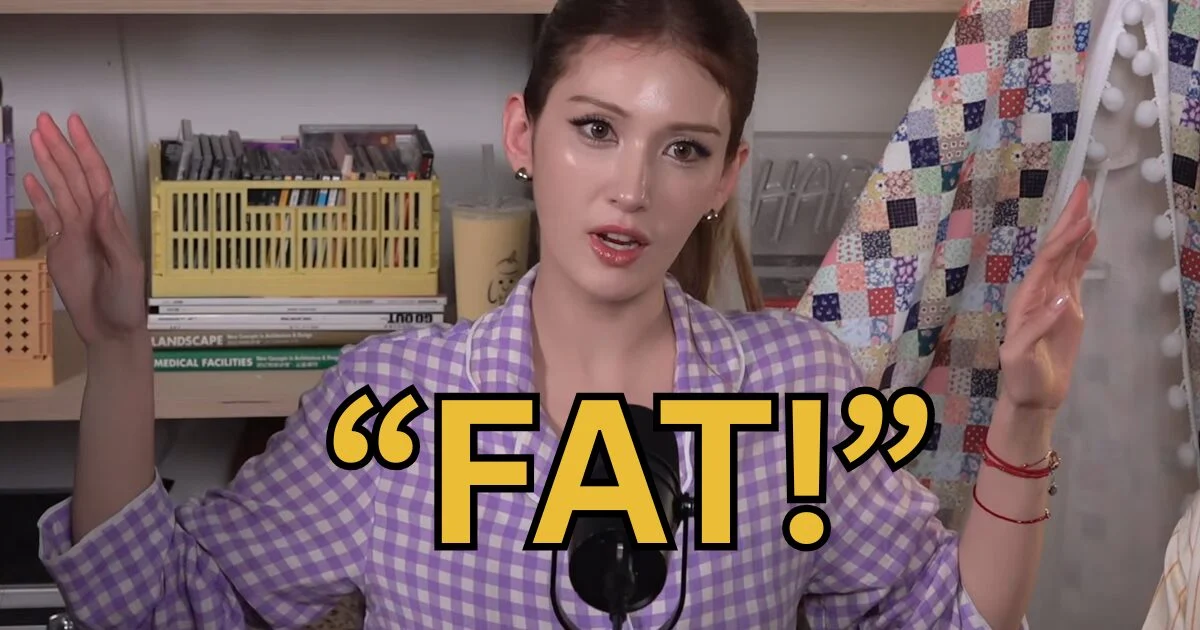
K-Pop solo artist Somi has become the subject of intense public criticism following comments she made regarding her personal dieting methods in a recent video featuring rookie idols Gawon and Ella from the group MEOVV. The remarks, which critics have labeled as "toxic" and "fatphobic," have sparked a fervent debate across social media platforms concerning the pervasive and often extreme diet culture within the K-Pop industry and the ethical responsibilities of senior idols when addressing impressionable junior artists and fans.
The Genesis of the Controversy: A Casual Conversation Turns Serious
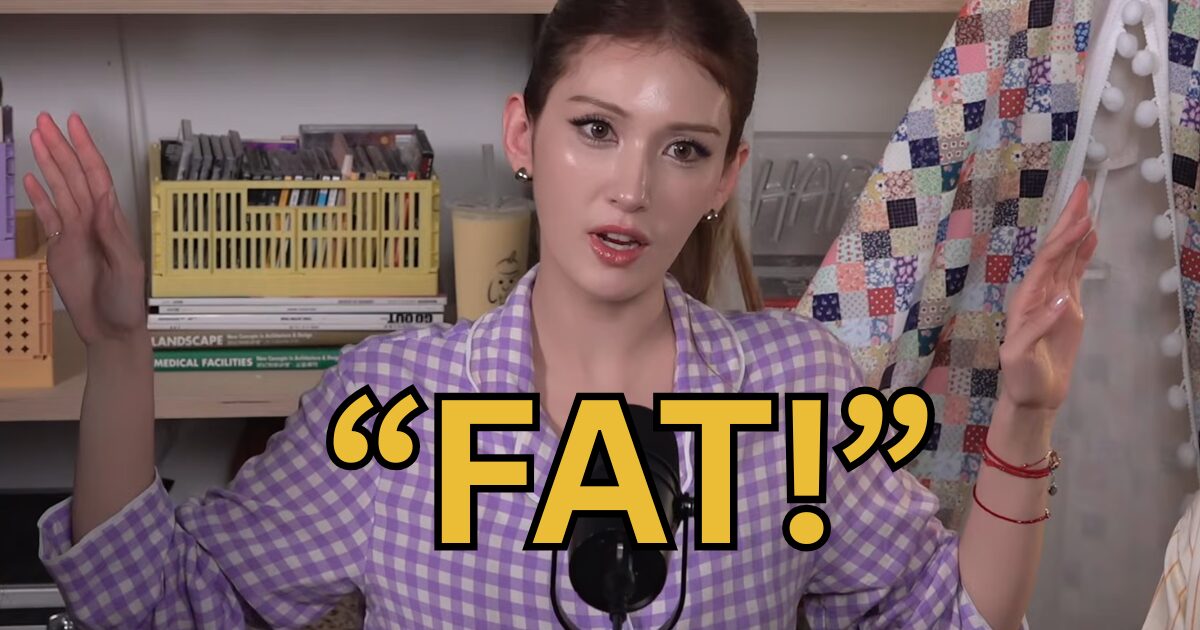
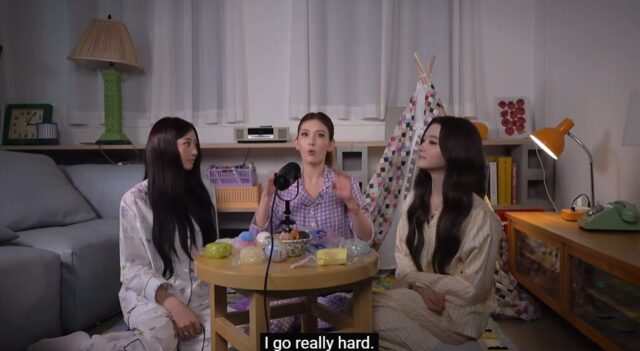
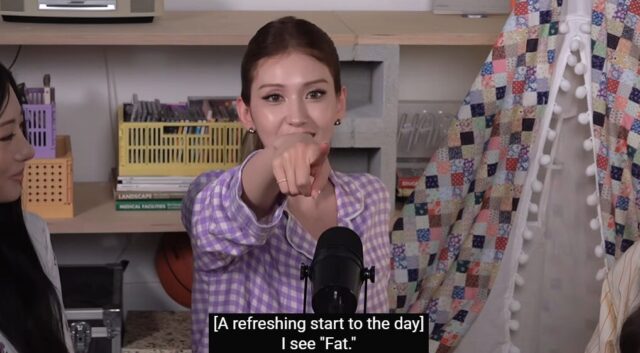
The incident unfolded during a video segment hosted by Somi, where she engaged in a casual conversation with MEOVV members Gawon and Ella. The segment, designed to foster interaction and share experiences, took an unexpected turn when a viewer submitted a question seeking recommendations for healthy snacks while dieting. What began as an innocuous query quickly escalated into a contentious discussion as Somi detailed her unconventional and psychologically taxing approach to weight management.
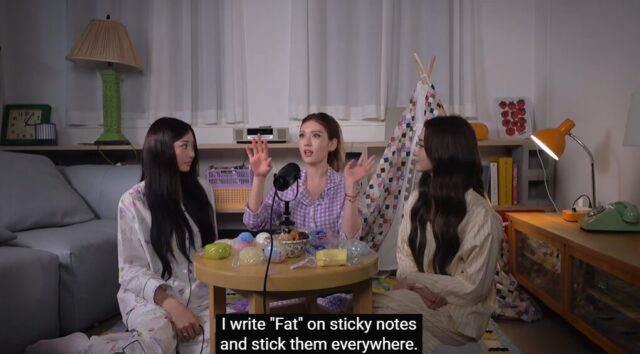
During her explanation, Somi revealed a highly personalized and arguably extreme method: writing the word "fat" on sticky notes and strategically placing them throughout her living space. She elaborated that these notes served as constant visual reminders, appearing everywhere from her bedroom to the inside of her refrigerator, intended to act as a "warning sign" to "control" her eating habits. While she explicitly stated that this method was not externally imposed but rather a self-initiated practice, her sharing of such a technique, particularly in the presence of young, newly debuted idols and a broad audience of fans, immediately raised red flags for many viewers. The casual presentation of this method, juxtaposed with the youthful and impressionable audience, amplified concerns about its potential negative influence.
Somi’s Public Image and the Backdrop of K-Pop’s Demands

Jeon Somi, known professionally as Somi, first rose to prominence as the winner of the survival reality show Produce 101 and a member of the project girl group I.O.I. Following I.O.I’s disbandment, she debuted as a solo artist under The Black Label, a subsidiary of YG Entertainment, cementing her status as a prominent figure in the K-Pop landscape. Throughout her career, Somi has often been praised for her vibrant personality and healthy image. However, like many K-Pop idols, she has also openly discussed the pressures of maintaining a certain physique, sometimes sharing her own dieting experiences. This history, while demonstrating her personal struggles and dedication, also places a significant spotlight on her when discussing such sensitive topics.
The K-Pop industry is notoriously demanding when it comes to idols’ physical appearance. Strict beauty standards, often prioritizing extreme thinness, are deeply ingrained, leading many artists to undertake rigorous and sometimes unhealthy diet regimens. This environment can create immense pressure on idols, both new and established, to conform to these ideals. Rookie idols, in particular, are often at a vulnerable stage, eager to impress and absorb advice from their seniors. This context is crucial in understanding why Somi’s comments resonated so negatively with the public; her words, even if intended as a personal anecdote, could be interpreted as prescriptive advice within a culture already grappling with body image issues.
The Rapid Unfolding of Social Media Backlash

Screenshots and clips of Somi’s dieting revelation quickly circulated on social media, predominantly on X (formerly Twitter), shortly after the video’s release on June 14, 2026. The initial reactions were swift and overwhelmingly negative. Users expressed outrage, concern, and disappointment, arguing that the advice was not only personally detrimental but also irresponsible to share with a wide, often young and impressionable audience.
One prominent tweet, which garnered significant attention, stated: "cw: extremely toxic behavior surrounding dieting + fatphobia. purposefully evoking a sleepover vibe to tell girls submitting questions that putting ‘fat’ notes all over your house to shame yourself is a technique good enough for their idol." This tweet encapsulated the core criticisms: the normalisation of self-shaming, the perceived fatphobia, and the problematic context of sharing such methods with young, aspiring idols.
Further amplifying the backlash, another user commented, "i say this at the risk of sounding like an ahole, she could have kept this to herself instead of airing it out to a pot. young & influential audience. if u wanna put ur health at risk to be skinny fine, not cool but ur thing bc u are grown. but that’s disturbing to admit publicly." This sentiment highlighted the ethical dilemma of public figures sharing potentially harmful personal practices, especially when they hold significant influence over their fan base, which often includes teenagers and young adults.

The criticism also touched upon the perceived age and experience of Somi. "at her fucking big age, i dont want no one preaching about cultural differences okay! no matter how demented you are, you dont say this to kids much less on a broadcast. just pathetic," read another viral tweet, emphasizing that regardless of personal cultural context, the advice was universally inappropriate for a broadcast featuring younger artists. The age difference between Somi (who debuted at a young age herself but is now an established senior) and the MEOVV members, particularly Gawon (who is 17), added another layer of concern. One user pointed out, "somi thinking this is okay to tell an audience is bad in general, but specifically sharing this with a 17 year old in the idol industry is absolutely insane." This underscores the perceived power imbalance and the potential for a senior idol’s words to carry disproportionate weight with juniors.
Broader Implications: K-Pop’s Ongoing Struggle with Body Image
This incident is not isolated but rather indicative of a larger, ongoing struggle within the K-Pop industry regarding body image, mental health, and the promotion of healthy lifestyles. For years, critics have highlighted the often-unrealistic beauty standards perpetuated by the industry, which can contribute to body dysmorphia, eating disorders, and poor mental health among idols and fans alike. Studies have shown that young people, particularly adolescents, are highly susceptible to media influences on body image, making the advice from admired public figures like K-Pop idols particularly impactful.
The pressure to maintain a "perfect" image extends beyond just weight. It encompasses skin perfection, specific facial features, and overall aesthetic. While the industry has made some strides in promoting healthier practices and diversifying body types, such efforts are often overshadowed by persistent narratives that prioritize extreme thinness. When a prominent idol like Somi shares a method rooted in self-shaming, it inadvertently reinforces these harmful ideals, even if unintentionally.
For rookie idols like Gawon and Ella, being exposed to such advice from a senior figure can be particularly challenging. New to the industry’s cutthroat environment, they are often navigating intense scrutiny and internalizing industry expectations. Advice from a successful senior can be seen as a blueprint for success, potentially leading them to adopt practices that could be detrimental to their physical and mental well-being. This creates a ripple effect, as these rookies then become role models for their own fans, potentially perpetuating a cycle of unhealthy body image standards.
Anticipated Responses and Calls for Accountability
As of the immediate aftermath of the controversy on June 14, 2026, neither Somi nor her agency, The Black Label, has issued an official statement or apology regarding the comments. The silence has led to increased calls from fans and online communities for a public acknowledgment and clarification. Industry observers anticipate that agencies typically monitor such public outcries closely, especially when they involve health-related advice given to younger artists or when the controversy risks damaging an artist’s public image and brand partnerships.
The absence of an immediate response often prompts further speculation and can intensify negative sentiment. Many online commentators have urged Somi to reflect on the potential impact of her words and to consider issuing a statement that addresses the concerns raised, perhaps by emphasizing healthier and more balanced approaches to self-care and body image. There are also broader calls for K-Pop agencies to provide more robust education and support for their artists regarding mental health, body image, and responsible communication, especially when interacting with younger colleagues and the public.
Ethical Responsibility and the Idol’s Platform
This incident brings to the forefront the ethical responsibilities of K-Pop idols as public figures and role models. While artists are entitled to their personal experiences and methods, the platform they command necessitates a careful consideration of the messages they convey. The distinction between sharing a personal struggle and promoting a potentially harmful practice becomes blurred when the audience is largely young and impressionable.
The controversy surrounding Somi’s dieting advice serves as a potent reminder of the ongoing challenges within the K-Pop industry to foster a healthier environment for its artists and fans. It reignites crucial discussions about body positivity, mental well-being, and the need for more mindful communication from influential figures. As the industry continues to grow globally, so too does the expectation for it to evolve into a more inclusive and health-conscious space, ensuring that the pursuit of perfection does not come at the cost of well-being. The public awaits to see how this particular incident will be addressed and what broader lessons might be learned regarding the delicate balance between personal experience and public responsibility in the world of K-Pop.