Stray Kids’ Bangchan Openly Defends A Girl Group Against His Own Fans
Article Editorial Team
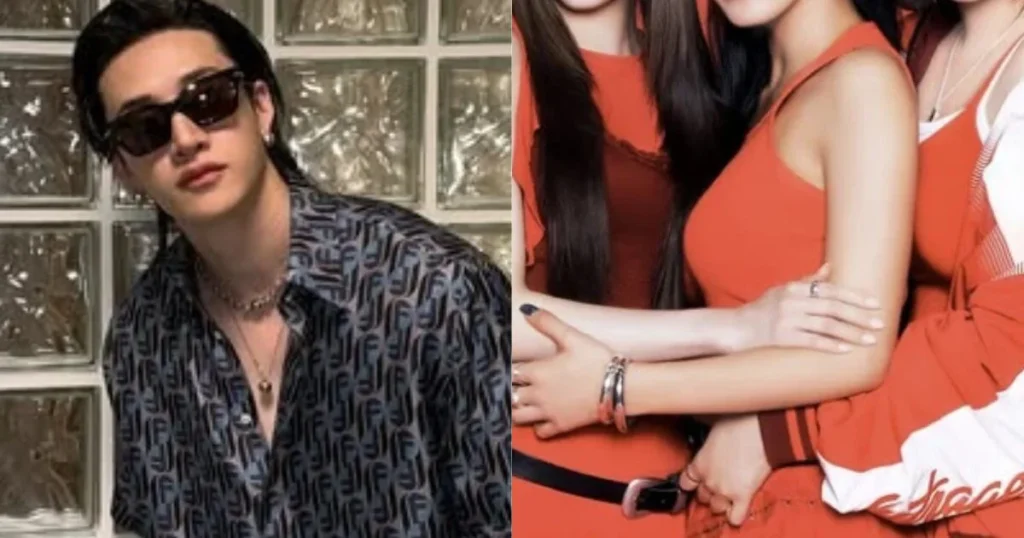
In a rare and significant intervention within the K-pop industry, Bang Chan, the leader of the globally acclaimed boy group Stray Kids, has publicly addressed his own fanbase, known as STAY, regarding their conduct toward their senior labelmates, TWICE. This development follows a period of heightened tension between the two fanbases, triggered by tour scheduling decisions made by their parent company, JYP Entertainment. The incident has sparked a broader conversation regarding the responsibilities of group leaders, the logistics of international touring, and the complex dynamics of "sibling" fandoms within the same entertainment agency.
The friction began on May 22, 2026, when JYP Entertainment officially announced the Latin American leg of Stray Kids’ latest world tour, titled STRAYCITY. The announcement included confirmed dates for major venues in Colombia, Argentina, and Mexico. While the news was met with jubilation by many fans in the region, it simultaneously reignited a sense of grievance among fans of TWICE, known as ONCE. The source of the discord lies in the recent history of TWICE’s touring cycle, where planned or highly anticipated stops in Latin America had reportedly been omitted or scrapped, despite the group’s immense popularity in the region.
The timing of the Stray Kids announcement led many observers to suggest that the resources and logistical windows previously intended for TWICE had been redirected to the younger boy group. This sentiment quickly evolved into a digital firestorm, with some fans accusing JYP Entertainment of gender-based preferential treatment and "misogyny." These fans argued that the agency was prioritizing the commercial expansion of Stray Kids at the direct expense of TWICE’s established global presence.
The Chronology of the Dispute
The escalation of the conflict followed a rapid timeline over the course of 48 hours. On the morning of May 22, the STRAYCITY tour dates were posted across official social media channels. Within hours, the hashtags associated with the tour were flooded with comments from disappointed TWICE fans. Many pointed out that the dates and regions announced for Stray Kids were remarkably similar to those that had been rumored for a TWICE tour extension that never materialized.
By the evening of May 22, the discourse had shifted from legitimate criticism of corporate management to a direct confrontation between the two fan communities. Social media platforms, particularly X (formerly Twitter) and TikTok, became battlegrounds where fans exchanged insults regarding the talent, longevity, and impact of both groups. Insulting memes and derogatory language were directed at the artists themselves, moving the conflict beyond a critique of JYP Entertainment and into the territory of personal harassment.
On May 23, 2026, Bang Chan utilized a fan communication platform to speak directly to his followers. In a stern and clear message, he addressed the ongoing animosity. While he did not engage with the specific corporate logistics or the allegations of "stolen" tour dates—matters typically handled by executive management—he focused his attention on the lack of respect shown toward TWICE.
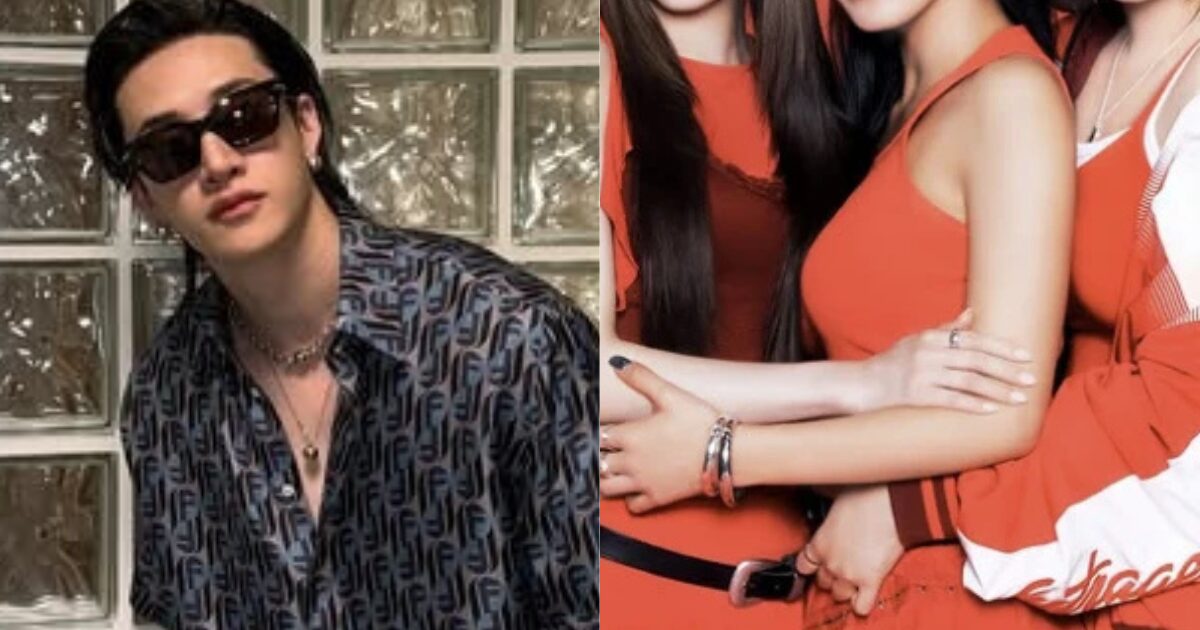
Bang Chan urged his fans to "just appreciate and be grateful for TWICE," emphasizing the close personal and professional bonds between the two groups. He reminded his audience that the members of TWICE are his long-time friends and seniors, stating that he holds nothing but respect for them in his heart. This move was viewed as almost unprecedented, as K-pop idols rarely risk alienating their own "bread-and-butter" fanbase to defend another group, even one under the same label.
Contextualizing the Corporate Strategy
To understand the intensity of the fan reaction, it is necessary to examine the current standing of both groups within JYP Entertainment. TWICE, having debuted in 2015, is a veteran group that played a pivotal role in stabilizing JYP’s finances and global reputation. Stray Kids, debuting in 2018, has since become the agency’s top-selling act, particularly in Western and Latin American markets.
Industry analysts suggest that the perceived "preferential treatment" is often a byproduct of JYP Entertainment’s internal structure. The agency operates under a "division system" where different groups are managed by separate internal teams. Stray Kids is managed by Division 1, while TWICE is under Division 3. These divisions operate somewhat independently, competing for resources such as production staff, venue bookings, and marketing budgets.
The decision to send Stray Kids to Latin America instead of TWICE likely involved complex logistical factors, including venue availability, local promoter contracts, and projected profit margins. Latin America has become a critical market for K-pop, with Mexico and Brazil consistently ranking among the top countries for K-pop consumption. For JYP Entertainment, capitalizing on Stray Kids’ current momentum in these regions is a strategic financial move, though it clearly carries the risk of alienating the fanbase of their most storied girl group.
Divergent Fan Reactions
The response to Bang Chan’s statement has been deeply polarized, reflecting a schism within the K-pop community. On one side, TWICE fans and neutral observers have praised the leader for his integrity. Many ONCEs expressed gratitude that a high-profile male idol was willing to stand up against the harassment of a girl group, noting that female artists often bear the brunt of online toxicity with little public defense from their male peers.
Conversely, a vocal segment of the Stray Kids fanbase expressed severe disappointment and feelings of betrayal. These fans argued that Bang Chan’s intervention was "gaslighting" them for defending the group’s achievements. Some fans claimed that they were being unfairly blamed for a conflict that was started by the other side, while others felt that Bang Chan was "appeasing" another fandom at the expense of his own.
The criticism from some STAYs took a sharp turn, with some fans suggesting that TWICE members had not shown similar public support for Stray Kids when the boy group faced criticism in the past. This "tit-for-tat" mentality highlights the increasingly transactional nature of some fan-idol relationships, where fans expect total loyalty and "protection" from the idol in exchange for their financial and emotional investment.
Supporting Data: The Rise of Stray Kids and the Longevity of TWICE
Data from 2024 and 2025 indicated that Stray Kids had become a dominant force in the global physical album market, frequently topping the Billboard 200. Their high energy and "noise music" style have resonated particularly well with the demographics in Latin America, where stadium-level demand has grown exponentially.
TWICE, meanwhile, has transitioned into a "legacy" phase of their career, characterized by consistent stadium tours in North America and Japan. However, their Latin American fans have long felt underserved. According to social media sentiment analysis conducted by independent K-pop data trackers, Latin American ONCEs are among the most active but also the most vocal about their dissatisfaction with JYP’s touring cycles. The STRAYCITY announcement served as the breaking point for a community that felt its loyalty was being ignored in favor of newer commercial ventures.
Broader Implications for the K-Pop Industry
The intervention by Bang Chan highlights a growing trend of idols attempting to moderate their own fanbases. As fandom culture becomes increasingly aggressive, the pressure on group leaders to act as "moral compasses" has increased. However, this comes with significant professional risk. In the hyper-competitive K-pop landscape, a group’s success is tied to the fervor of its fandom; alienating that fandom can have tangible effects on engagement and sales.
Furthermore, this event underscores the challenges faced by multi-group agencies like JYP Entertainment. While the division system allows for specialized management, it also creates an environment where groups under the same umbrella are viewed as rivals by their respective fans. The "JYP Nation" brand, which once promoted an image of a unified, supportive family of artists, is increasingly strained by the realities of resource allocation and fan tribalism.
Conclusion and Future Outlook
As of late May 2026, the situation remains a point of contention. While Bang Chan’s statement may have cooled the immediate tempers of some, the underlying issues regarding JYP Entertainment’s management of TWICE’s global activities remain unaddressed by the company’s executive leadership.
The STRAYCITY tour is expected to proceed as planned, and it is likely to be a commercial success. However, the reputational cost of this fanwar may linger. This incident serves as a case study in the power of idol communication and the volatility of modern fan culture. Whether other leaders will follow Bang Chan’s lead in calling out their own fans remains to be seen, but his actions have set a new precedent for accountability within the genre. For JYP Entertainment, the task ahead involves balancing the meteoric rise of its younger stars with the respect and professional equity owed to the veterans who built the company’s foundation.
Related News