

A Strategic Analysis of the K-pop Industry Transition into 2015 Institutional Reform Artist Development and the Evolution of Global Fan Engagement

The South Korean entertainment industry enters 2015 at a critical juncture, following a year characterized by significant internal volatility, legal precedents, and a shift in the traditional "idol" business model. While the "Hallyu" or Korean Wave continued its international expansion throughout 2014, the period was equally defined by a series of high-profile departures, contractual disputes, and tragic incidents that have forced a collective re-evaluation of industry standards. As the market looks toward the new fiscal and creative year, the focus shifts toward the sustainability of artist management, the diversification of individual brand identities within groups, and the urgent need for structural reforms regarding artist safety and fan conduct.

2015: Kpop Wishes For the New Year

The Evolution of Individual Branding: The Case for Solo Ventures

A prominent trend identified heading into 2015 is the increasing demand for individual artist autonomy, exemplified by the calls for solo debuts for established group members. Within the landscape of YG Entertainment, the career trajectory of Gong Min-ji, known as Minzy of 2NE1, has become a focal point for discussions on talent utilization. Despite her documented proficiency in choreography and vocal performance, Minzy remains one of the few veteran idols from the "Second Generation" of K-pop who has yet to release a solo project. This stands in contrast to her group mate CL, who has been positioned for a major debut in the United States market.

The industry at large has seen a shift toward "musically ambitious" solo debuts. In 2014, artists such as Taemin of SHINee and Yeeun (Ha:tfelt) of Wonder Girls moved away from standard idol tropes to explore avant-garde and singer-songwriter identities. Analysts suggest that for groups like 2NE1, which faced a forced hiatus in 2014 following internal controversies, individual solo projects are not merely creative outlets but essential strategic moves to maintain brand relevance. Furthermore, the interest in solo work extends to other major labels; fans and critics have expressed significant interest in seeing more independent output from members of the Wonder Girls, such as Yubin and Lim, as well as a second solo effort from Infinite’s Sunggyu to build upon his established rock-inspired discography.

2015: Kpop Wishes For the New Year

A Chronology of Turmoil: The 2014 Legal and Structural Crisis

To understand the priorities of 2015, one must examine the unprecedented series of disruptions that occurred in 2014. The year is now frequently referred to by industry insiders as a "Black Year" for K-pop due to the frequency of group fractures.

  1. May 2014: Kris (Wu Yifan) of EXO filed a lawsuit against SM Entertainment to terminate his contract, citing a lack of consideration for his health and an unfair distribution of profits.
  2. September 2014: Jessica Jung’s departure from Girls’ Generation sent shockwaves through the industry. The conflict highlighted the growing tension between an idol’s commitment to their group and their pursuit of external business ventures, such as her fashion brand, Blanc & Eclare.
  3. October 2014: Luhan, another prominent member of EXO, followed Kris in filing a lawsuit against SM Entertainment, further destabilizing the group’s Chinese operations.
  4. November 2014: All six members of B.A.P filed a joint lawsuit against TS Entertainment, alleging "slave contracts" and reporting that the company had retained the vast majority of the group’s $9 million USD in earnings, leaving the members with minimal compensation.

These events have pulled back the curtain on the "darker corners" of the industry. The legal implications are profound; these cases have forced the Fair Trade Commission to look closer at the "iron-clad" contracts that often offer no room for personal freedom. For 2015, the industry faces a mandate to move toward more transparent remuneration and contract terms to prevent the further loss of high-value talent.

2015: Kpop Wishes For the New Year

Industrial Safety and the Human Cost of Hallyu

Perhaps the most somber catalyst for change was the September 2014 car accident involving the group Ladies’ Code, which resulted in the deaths of members EunB and RiSe. This tragedy brought the issue of road safety and the grueling schedules of idols to the forefront of national discourse. Investigations revealed that the van was traveling at excessive speeds on a rainy night to meet a tight schedule—a common practice in an industry where groups often perform in multiple cities within a single day.

In response, there have been growing calls from artists and the public for agencies to prioritize the physical well-being of their staff and performers over logistical efficiency. Industry analysts argue that the "happy façade" presented to fans must be backed by genuine structural safety. The year 2015 is expected to see a shift in how agencies manage travel logistics, with a potential move toward more humane scheduling and stricter adherence to transport safety regulations to prevent further avoidable loss of life.

2015: Kpop Wishes For the New Year

Media Innovation and the Globalization of Variety Programming

While the music industry faced internal struggles, the television sector saw the rise of innovative formats that bridge cultural gaps. The success of JTBC’s Abnormal Summit (Bichesanghoedam) in late 2014 represents a new direction for Korean variety programming. By featuring a panel of foreign residents debating serious social issues in fluent Korean, the show has moved away from traditional slapstick humor toward intellectual and cultural exchange.

This shift is significant for 2015 as it provides a platform for the Korean public to engage with global perspectives. However, the show has also highlighted the growing pains of internationalization, facing scrutiny over stereotypical jokes and the need for more diverse representation. The demand for "thought-provoking" media suggests that 2015 audiences are seeking more substance from their entertainment, mirroring the desire for more "authentic" and "home-made" musical content from idols.

2015: Kpop Wishes For the New Year

The Paradigm Shift in Fan Culture: Maturity and Privacy

The relationship between idols and their fanbases is also undergoing a necessary evolution. The prevalence of sasaeng (stalker) fans and the aggressive reaction to dating news remained significant issues throughout 2014. The "dating scandals" involving members of Girls’ Generation and EXO demonstrated a divide in fan maturity, with some segments of the "Cassiopeia" and "EXO-L" fandoms reacting with hostility toward the private lives of their idols.

For 2015, there is a push for a "limit" or "threshold" that fans should not cross. Professional observers note that if the K-pop industry is to continue its global ascent, the culture of "owning" an idol must be replaced by a culture of mutual respect. This includes:

2015: Kpop Wishes For the New Year
  • Privacy Rights: Acknowledging that idols are human beings entitled to date, shop, and live without constant surveillance.
  • Cultural Sensitivity: As idols travel more frequently to international markets, there is an increasing responsibility for them to avoid cultural faux pas, such as the use of religious imagery or blackface, which have caused friction in the past.
  • Constructive Engagement: Encouraging fans to hold idols accountable for genuine mistakes while discouraging the "Oppa didn’t mean it" defense that often enables problematic behavior.

Future Outlook: Implications for 2015 and Beyond

The transition into 2015 is defined by a desire for an "overall good year" that avoids the plagiarism controversies and legal mudslinging of the recent past. From a business perspective, the focus will likely be on "amicable break-ups" and transitions. The departure of Lee Joon and Thunder from MBLAQ at the end of 2014 serves as a potential model for this; unlike the litigious exits seen elsewhere, their departure was framed as a natural progression toward individual goals, maintaining a level of professionalism that preserved the group’s legacy.

Furthermore, the industry is expected to see a rise in "musically ambitious" projects as the market becomes saturated with standard idol groups. Agencies that allow their artists to pen their own lyrics and explore niche genres—as seen with the success of soloists in 2014—are likely to see higher levels of fan loyalty and international critical acclaim.

2015: Kpop Wishes For the New Year

In conclusion, the K-pop industry in 2015 stands at a crossroads between maintaining its high-gloss image and addressing the systemic issues that threaten its stability. The success of the coming year will depend on whether entertainment companies can transition from a "factory-style" production model to one that treats artists as human stakeholders. By prioritizing road safety, legal transparency, and individual creative growth, the industry can ensure that the "Hallyu" wave remains a durable and respected global phenomenon rather than a volatile trend. The lessons of 2014, though painful, provide a clear roadmap for the institutional reforms necessary to sustain the future of Korean entertainment.
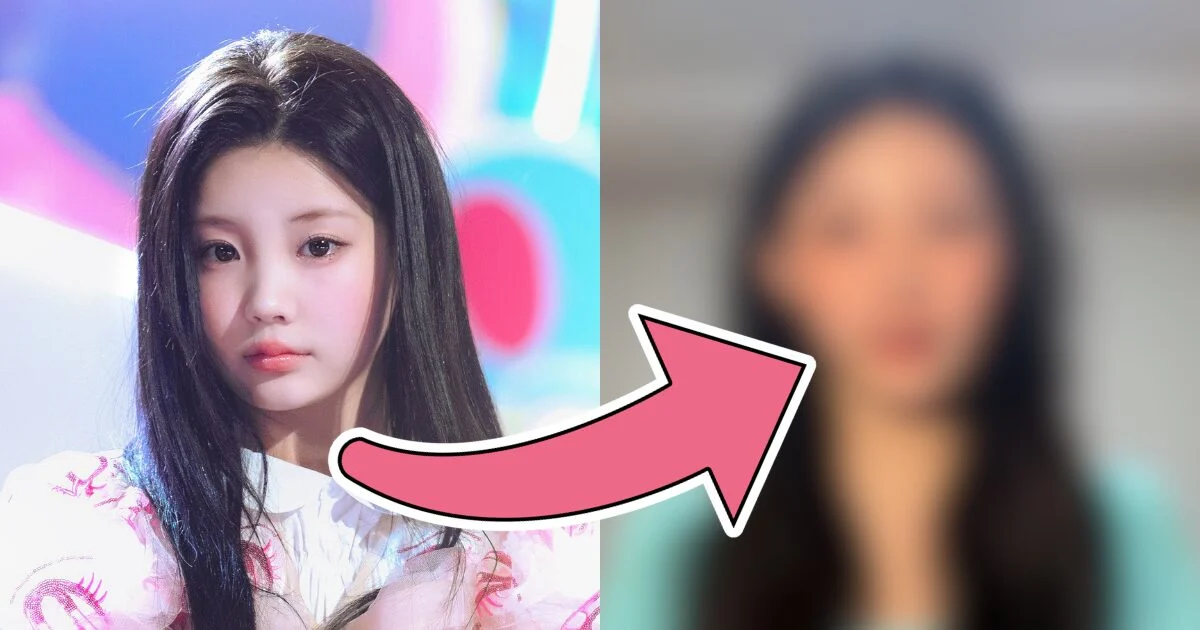

ILLIT’s Wonhee Faces Scrutiny Over Perceived Appearance Change, Igniting Debate on K-Pop Idol Standards and Adolescent Development

The recent appearance of ILLIT member Wonhee on a Weverse live broadcast has sparked widespread discussion and speculation among fans and netizens regarding a noticeable transformation in her facial features, particularly her cheeks. The 16-year-old idol’s visibly slimmer face led to a viral clip and subsequent online debate, pitting allegations of cosmetic surgery against defenses citing natural adolescent development and weight loss. This incident highlights the intense scrutiny K-Pop idols, especially young ones, face regarding their physical appearance and the pervasive influence of beauty standards within the industry.

Chronology of the Event

ILLIT, a five-member girl group formed by Belift Lab (a HYBE subsidiary) through the JTBC survival show R U Next?, debuted in March 2024. Upon their debut, Wonhee, born in 2007, was widely praised for her youthful, "cherubic" visuals, characterized by distinctively rounded cheeks that many fans affectionately termed "baby fat." Her fresh-faced appearance was often cited as part of her charm and innocent image, resonating with the group’s "Magnetic" concept.

ILLIT Wonhee's Mature Visual Transformation Hit With Plastic Surgery Allegations

The controversy began to unfold on April 23, 2026, during a live broadcast on Weverse, a fan communication platform. During the stream, a fan directly commented on Wonhee’s noticeably slimmer cheeks, inquiring about their disappearance. Wonhee, in response, stated, "It all flew away now, I got rid of it lol." This seemingly casual remark, coupled with her changed appearance, quickly caught the attention of viewers. A short clip of this interaction was subsequently uploaded to X (formerly Twitter) by a fan account (@twoonehee), where it rapidly gained traction, accumulating over 4.1 million views within hours.

The virality of the clip served as a catalyst for a fierce online debate. One segment of netizens immediately interpreted Wonhee’s transformation and her comment as an indication of cosmetic intervention. Others, however, swiftly came to her defense, attributing the changes to natural adolescent growth, maturation, and potential weight loss, emphasizing that significant facial changes are common during the teenage years.

The Allegations and Counter-Arguments

The allegations of cosmetic surgery were fueled by several factors. Critics pointed to the rapidity of the perceived change, suggesting it was too dramatic to be solely attributed to natural growth or diet. One X user (@asaccelerator) commented, "hybe stans were busy dragging aespa face and wt. loss only for their fav to debut a new face," implying hypocrisy and accusing Wonhee of having undergone procedures. Another user (@tokkiga) stated, "A person doesn’t lose their baby fat this fast especially at her age. This is insane," expressing disbelief that the transformation could be entirely natural. Some even misconstrued Wonhee’s comment, with user (@baeglamz) tweeting, "her admitting she got work done is so funny to me," interpreting her casual remark "I got rid of it" as an admission of surgery. This highlights the susceptibility of online discourse to misinterpretation and confirmation bias.

ILLIT Wonhee's Mature Visual Transformation Hit With Plastic Surgery Allegations

In stark contrast, a significant portion of the online community, primarily ILLIT’s fanbase, vehemently defended Wonhee. Their arguments centered on the biological realities of adolescence. An X user (@wonheekitty) countered the allegations directly, asking, "so losing weight is plastic surgery now? nothing about wonhee’s face changed she just slimmed down a bit and her cheeks got smaller y’all are reaching so bad like literally nothing is different." Another fan (@chaewonzpet) emphasized her age, stating, "She was literally a 15 year old when she debuted. Obviously she had baby cheeks at that time and everyone loses it nearing 18 and above that is not similar to whatever the fuck happening on ur group bitch." User @RakiRori provided a more detailed explanation of adolescent development: "I know this is crazy for a lot you. There’s this thing called ‘baby fat’. Aka fat that you have while you’re young. As you grow older, you start losing said baby fat. Which for a lot people means losing fat in their face. Wonhee does not have a new face, she’s just not 15." These defenses underscore the natural process of facial maturation, where the soft tissues and bone structure of the face change considerably from early to late adolescence, often resulting in a more defined jawline and less prominent cheeks as "baby fat" diminishes.

Background and Context: K-Pop’s Visual Standards and Adolescent Growth

The K-Pop industry is globally renowned for its meticulously crafted idol images, where visuals play a paramount role alongside talent. Idols are often expected to maintain an idealized aesthetic that aligns with prevailing beauty standards, which frequently emphasize slimness, small faces, and refined features. This intense focus can place immense pressure on artists, particularly those who debut at a young age, to conform to these ideals. South Korea also has one of the highest per capita rates of cosmetic procedures globally, contributing to a cultural environment where such interventions are openly discussed and often normalized, especially within the entertainment sphere. This societal context makes speculation about idol appearances a common occurrence.

However, it is crucial to consider the biological reality of adolescent development. Wonhee debuted at 16 years old. The period between mid-teens and early twenties is marked by significant physical changes. As teenagers mature, their bodies undergo hormonal shifts that lead to changes in metabolism, fat distribution, and bone structure. "Baby fat," which gives children and younger adolescents a fuller, rounder face, naturally diminishes as they age. This process can lead to a more chiseled jawline, higher cheekbones, and a generally more mature facial appearance without any surgical intervention. Furthermore, the demanding training schedules, rigorous diets, and extensive performance activities typical of K-Pop idol life can result in natural weight loss, which often manifests noticeably in the face. Given Wonhee’s age and the timeline since her debut, such natural transformations are entirely plausible.

ILLIT Wonhee's Mature Visual Transformation Hit With Plastic Surgery Allegations

Broader Implications and Fan Sentiments

Beyond the immediate debate, Wonhee’s situation sheds light on several broader implications within the K-Pop landscape. Firstly, it highlights the unrelenting scrutiny idols face regarding their bodies and faces. Every subtle change is dissected, analyzed, and often subjected to public judgment, creating an environment of immense pressure for young artists who are still developing both physically and emotionally. This constant public appraisal can have significant impacts on an idol’s mental health and self-perception.

Secondly, the incident underscores the power and sometimes the pitfalls of fan-idol interaction platforms like Weverse. While these platforms foster a sense of closeness, they also expose idols to direct and sometimes intrusive questions about their personal lives and appearances. Wonhee’s casual reply, while perhaps intended to deflect or simplify a personal change, was instantly amplified and scrutinized, demonstrating the delicate balance idols must strike in their public communication.

Thirdly, the varied reactions among fans reveal the complex emotional investment in idol images. While many fans defended Wonhee, arguing for natural development, some expressed a degree of sadness, regardless of the cause of her transformation. Comments like "Nooo" or "Wonyoung, why has she lost so much weight… she’s become half of herself" (referencing a translation of a fan tweet, which appears to mistakenly refer to Wonyoung instead of Wonhee, but expresses a similar sentiment of concern for significant weight loss) indicate a sentimental attachment to her previous "cherubic" look. This sentiment suggests a concern that idols might be pressured into altering their appearance to fit industry standards, even if the changes are attributed to natural growth. There is a palpable hope among some fans that idols are not forced into extreme diets or cosmetic procedures by their agencies or the industry’s relentless demands.

ILLIT Wonhee's Mature Visual Transformation Hit With Plastic Surgery Allegations

The incident also serves as a reminder of the distinction between speculation and verified information in online discourse. Without official statements from HYBE or Wonhee’s agency regarding any cosmetic procedures, all discussions remain within the realm of conjecture. The K-Pop industry generally maintains strict privacy around artists’ personal medical decisions, making it rare for such allegations to be officially confirmed or denied. This silence often fuels further speculation, creating a cycle of rumors that can be difficult to break.

In conclusion, ILLIT’s Wonhee’s perceived facial transformation has ignited a robust discussion online, reflecting the enduring tension between the natural processes of adolescent development and the stringent visual expectations placed upon K-Pop idols. While fans rallied to defend her, citing natural growth and weight loss, the incident nevertheless brought to the forefront the pervasive scrutiny and pressure young artists endure in an industry where appearance is often as critical as talent. It reinforces the need for a more nuanced understanding of body image, celebrity, and the realities of growing up in the global spotlight. Regardless of the cause of her altered appearance, Wonhee’s talent and visual appeal continue to be recognized by her supporters.