The highly anticipated debut concert of K-Pop sensation CORTIS, held on July 18, 2026, has ignited a second wave of significant controversy, following widespread allegations from attendees that a viral "mosh pit" scene, heavily circulated in online videos, was not an organic display of fan enthusiasm but rather a deliberately staged act involving professional dancers. This revelation compounds an already growing backlash against the concert’s perceived lack of production quality and a surprisingly brief, repetitive setlist, casting a shadow over the group’s inaugural solo performance.
The Genesis of the Controversy: A Viral Moment Under Scrutiny
Initial clips from the July 18 concert swiftly captured global attention, particularly among international K-Pop enthusiasts. These videos showcased a remarkably energetic group of male attendees in the standing section, vigorously jumping, dancing, and seemingly engaging in a mosh-like fervor. The scenes were quickly lauded across social media platforms as compelling evidence of CORTIS’s broad appeal, suggesting the group had successfully attracted a demographic of male casual listeners. This was seen as a significant departure from the traditional K-Pop concert experience, which often sees more restrained fan interactions, leaning instead towards the uninhibited atmosphere more commonly associated with hip-hop or rock shows. International fans, in particular, celebrated these "fanboys" as a testament to CORTIS’s crossover potential and the unique, electrifying environment they seemingly cultivated within the venue. The narrative spun quickly: CORTIS was breaking molds, appealing beyond the typical K-Pop demographic, and creating a raw, authentic concert energy.
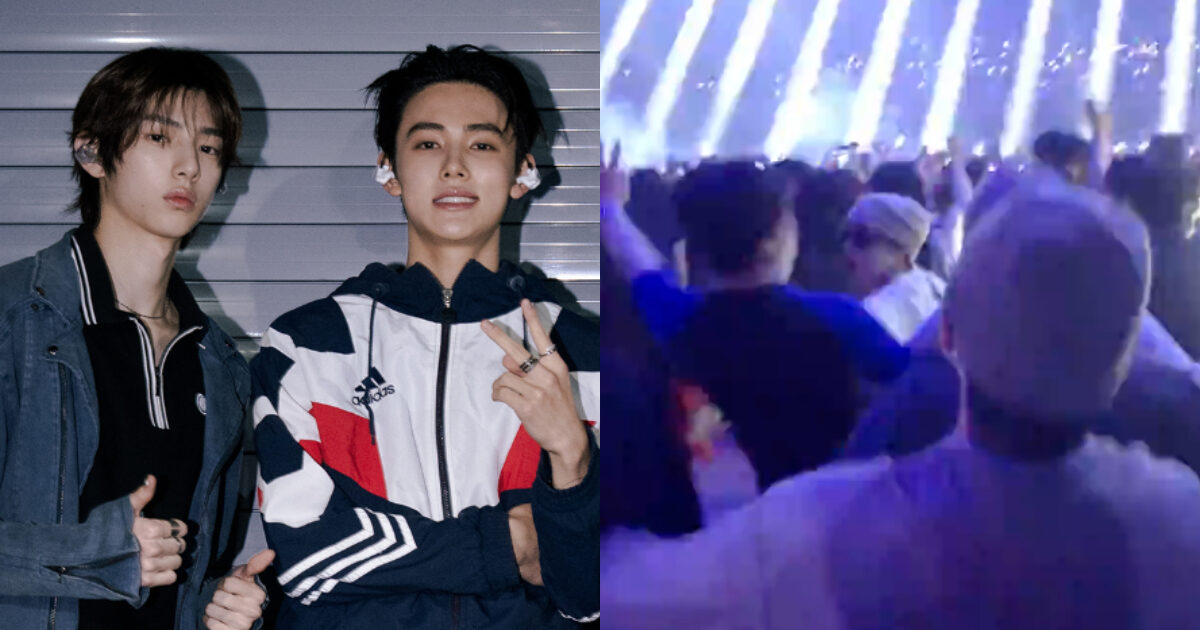
However, this celebratory narrative began to unravel as early as the evening of the concert itself. Korean attendees, who were physically present at the event, started to challenge the authenticity of the viral moment. Through numerous accounts disseminated across online communities and social media, a counter-narrative emerged: the individuals generating much of the perceived "mosh pit" energy were allegedly neither ordinary fans nor influencers genuinely swept up in the moment. Instead, they were reportedly professional dancers, strategically placed within the audience as an integral part of the concert’s overall production design.
Unmasking the Allegations: Accounts from the Venue Floor
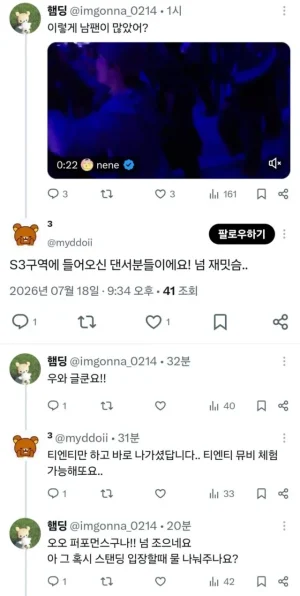
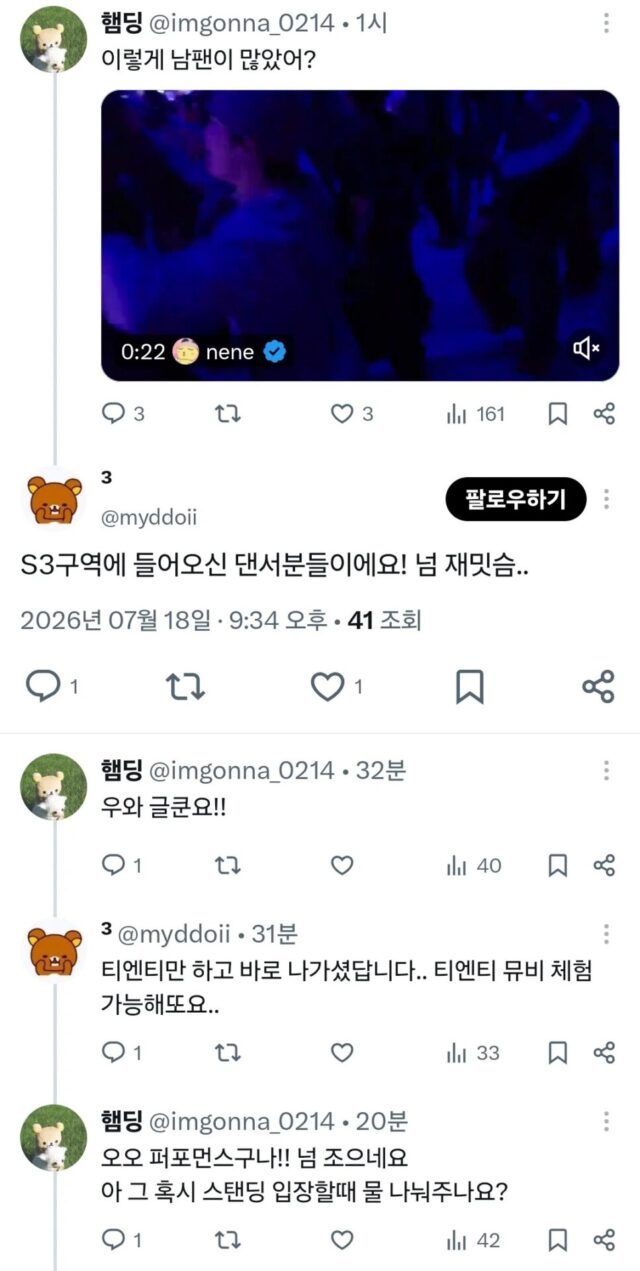
The claims quickly gained traction as purported concertgoers shared their observations. One alleged attendee explicitly stated that approximately 30 dancers had been positioned within the standing section, specifically in the S3 zone, where much of the energetic activity was concentrated. These "performers" were reportedly observed to leave the venue promptly after certain key performances, notably following the song "TNT," further fueling suspicions that their presence was orchestrated rather than spontaneous. Screenshots of online conversations between fans circulated widely, with one exchange directly questioning the sudden surge of male fan engagement:
- Fan 1: "Did CORTIS always have this many fanboys?"
- Fan 2: "They were dancers in S3 zone. So fun."
- Fan 1: "Oh, I see."
- Fan 2: "They left right after TNT. It was like experiencing the TNT MV…"
- Fan 1: "Oh, so it was a performance then. That’s cool. Did they hand out water when you entered the standing section?"
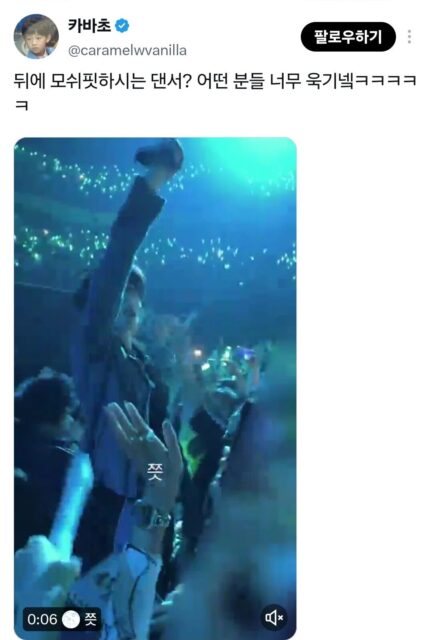
Another fan’s comment, "The dancers(?) trying to pull off the mosh pit thing were so funny," underscored the perception among some in the audience that the ‘mosh pit’ felt manufactured and somewhat artificial. These direct observations from attendees painted a picture vastly different from the organic enthusiasm initially portrayed in the viral clips. The implication was clear: what was presented as genuine fan interaction was, in fact, a carefully choreographed performance element designed to manipulate audience perception.
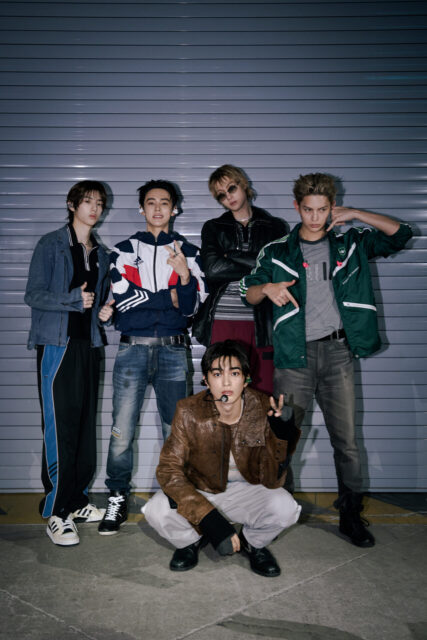
The "Mosh Pit" Debate: Authenticity vs. Artifice
As the allegations spread, a critical discussion emerged regarding the very definition and authenticity of the "mosh pit" scene itself. Many netizens pointed out that the actions depicted in the CORTIS clips – largely attendees jumping and dancing in place – did not align with the traditional understanding of moshing. Moshing, culturally rooted in punk rock, metal, and hardcore music scenes, typically involves concertgoers actively pushing, colliding, and moving aggressively within an open area, often creating a dynamic and physically intense experience. The alleged CORTIS "mosh pit," in contrast, appeared to be a more controlled, almost performative, display of energy rather than a spontaneous eruption of physical interaction.
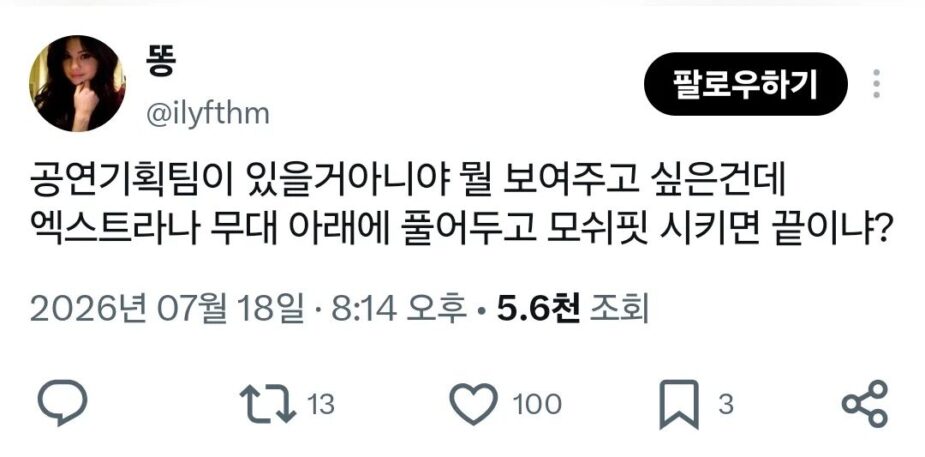
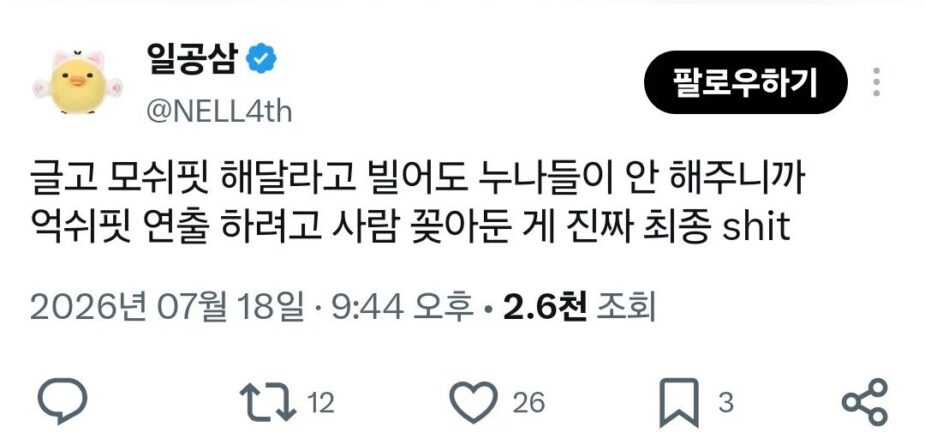
This distinction became central to the broader critique. Accusations mounted against the concert organizers, suggesting they were attempting to manufacture a seemingly spontaneous audience moment that could later be leveraged online as proof of "organic fan enthusiasm." Critics argued that this was part of a meticulously constructed image, designed to portray CORTIS’s concerts as edgier, more dynamic, and thus more appealing to a broader, particularly male, demographic. The term "fake mosh pit" became a common descriptor, highlighting the perceived deception. One fan lamented, "Do they not have a performance directing team? Like what were they trying to prove with this concert? Hiring people to pull a fake mosh pit in the audience? Was that the whole plan?" Another sarcastically remarked, "The fact that they planted people to stage a fake mosh pit in the audience because the actual fan noonas would never. It’s all bullshit." These reactions underscore a deep sense of betrayal among fans who value authenticity and genuine connection in their K-Pop experiences.
A Pre-Existing Storm: The Setlist Controversy
The "staged mosh pit" allegations did not land in a vacuum; they exacerbated an already simmering discontent regarding the concert’s overall production quality and setlist. Even before the mosh pit claims surfaced, CORTIS’s debut concert was drawing considerable criticism for its unusually short duration and highly repetitive song selection.
Despite having only 12 officially released songs in their discography, a common challenge for rookie groups, the concert reportedly lasted approximately one hour and forty minutes. What surprised and disappointed many attendees was the reported absence of any cover stages, special performances, or even outfit changes throughout the entire show. Instead, several of CORTIS’s original songs were reportedly performed multiple times during both the main show and the encore. Tracks like "REDRED," "YOUNGCREATORCREW," and "Mention Me" were allegedly repeated, leading to a sense of déjà vu and a distinct lack of variety for the audience.
This approach stands in stark contrast to standard industry practices for rookie K-Pop groups. Faced with limited discographies, new groups commonly augment their setlists with popular covers, unique arrangements of their existing songs, solo or unit stages, unreleased tracks, or engaging VCR segments to create a more robust and memorable concert experience. The decision by CORTIS’s production team to omit these elements and instead rely on repetitions was widely questioned, leading many to feel that the concert offered poor value for money and a subpar experience for dedicated fans.
A detailed critique from one fan, circulated widely online, enumerated a list of grievances:
- "Their outfits were no different from what they wear on music shows." (Lack of visual variety/special occasion feel).
- "They performed no cover songs or unreleased tracks." (Missed opportunity for unique content).
- "They performed for only 100 freaking minutes and left immediately afterward." (Short duration for a debut concert).
- "The core fans stayed in their seats chanting for an encore for ten minutes, thinking, ‘Is this seriously the end?’ But the members had already left." (Perception of disengagement from the group).
- "With Keonho absent, the four-member formations looked weird as hell." (Highlighting a member’s absence without apparent adjustments).
- "They milked ‘GO!’ and ‘REDRED’ to death, performing them over and over again." (Repetitive setlist).
- "They only interacted with the people on the floor and barely even looked toward the seated sections." (Lack of engagement with a significant portion of the audience).
- "They are literally entertainers, yet they kept telling us to put our phones down a million times. I almost threw mine." (Perceived over-strictness regarding fan recordings, despite the desire for viral content).
- "The lighting was so blinding that I could not even see their faces." (Poor technical execution impacting fan experience).
- "They did not even pretend to cry and arrogantly gave just a one-line closing remark." (Perceived lack of emotional connection or gratitude from the members).
These complaints painted a picture of a concert experience that fell significantly short of expectations, leaving many fans feeling undervalued and disappointed. The subsequent allegations of a staged mosh pit only served to amplify these existing frustrations, creating a perfect storm of negative sentiment.
Official Silence and Lingering Questions
As of the time of this report, neither CORTIS nor their agency, BIGHIT MUSIC, has issued an official statement or confirmation regarding the claims that professional dancers were deliberately placed in the audience to create the viral "mosh pit" scene. The allegations remain based solely on the accounts of purported concertgoers and the extensive discussions that have unfolded across various Korean online communities and social media platforms.
The silence from the agency has, in many ways, further fueled speculation and intensified the debate. In the absence of an official explanation or denial, fans and industry observers are left to interpret the events based on the available anecdotal evidence. This lack of transparency can often be detrimental in the K-Pop industry, where direct communication and accountability are highly valued by the dedicated fanbase.
Broader Implications: Authenticity, Fan Trust, and Industry Ethics
The CORTIS concert controversy, particularly the "fake mosh pit" allegations, carries significant implications for the group, BIGHIT MUSIC, and the broader K-Pop industry.
Firstly, it strikes at the core of authenticity, a highly prized commodity in the entertainment world, especially in K-Pop where fan-artist connection is paramount. If confirmed, the deliberate staging of audience reactions could be perceived as a deceptive tactic, undermining the genuineness of the fan experience and the integrity of the performance itself. It creates a perception that the audience’s enthusiasm is not earned but manufactured, which can deeply damage an artist’s brand and public image.
Secondly, the incident risks eroding fan trust. K-Pop fans are known for their fierce loyalty and deep emotional investment. Discovering that a viral moment of apparent organic support was allegedly fabricated can lead to feelings of betrayal and skepticism towards future interactions and promotional content. This can have long-term consequences for fan engagement, album sales, and concert attendance. The notion that an agency would manipulate audience reactions for promotional gain suggests a cynical view of the fanbase, potentially alienating the very people who drive the group’s success.
Thirdly, the controversy raises ethical questions about concert production and marketing strategies within the K-Pop industry. While elements of stagecraft are common in live performances, actively disguising paid performers as regular audience members to simulate a specific type of fan reaction crosses a line for many. It forces a conversation about the boundaries of "performance directing" and where it transitions into misleading the public. In an era dominated by social media virality, the temptation to engineer "organic" moments for online promotion can be strong, but this incident serves as a cautionary tale about the potential backlash when such tactics are exposed.
Finally, the overall criticism regarding the concert’s short, repetitive setlist, coupled with the alleged staging, points to potential issues in production planning and artist management. For a debut concert, particularly for a group from a prominent agency like BIGHIT MUSIC, expectations are inherently high. Delivering a performance that feels underdeveloped or creatively lacking, then compounding it with allegations of manufactured enthusiasm, can significantly hinder a group’s initial momentum and public reception. It suggests a disconnect between the ambitious image projected and the actual quality of the live experience delivered.
As CORTIS navigates the aftermath of this double-edged controversy, the spotlight remains firmly on the group and BIGHIT MUSIC to address these serious allegations and demonstrate a commitment to transparency and genuine fan engagement. The unfolding situation highlights the delicate balance between creating compelling spectacle and maintaining authenticity in the high-stakes world of K-Pop.