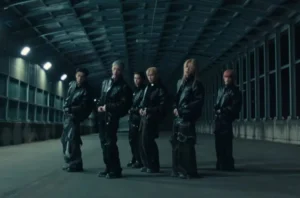
P1Harmony’s "Unique" Comeback: A Bold Sonic Statement Overshadowed by an Uninspired Visual Narrative

In an era of K-pop characterized by rapid-fire viral moments and immediate debut success stories, the journey of P1Harmony stands as a compelling counter-narrative. Emerging not from a meteoric rise but through a consistent, deliberate cultivation of their unique artistic identity, the six-member group has carved a distinct path in the competitive K-pop landscape. Their signature style—a potent blend of playful energy, unyielding confidence, and high-octane performance—has steadily gained traction over the past few years. Their latest release, the vibrant and infectious track "Unique," represents a significant milestone in this ongoing trajectory, showcasing their refined sonic prowess. However, the accompanying music video for "Unique" presents a stark contrast, struggling to translate the song’s inherent dynamism into a compelling visual experience.

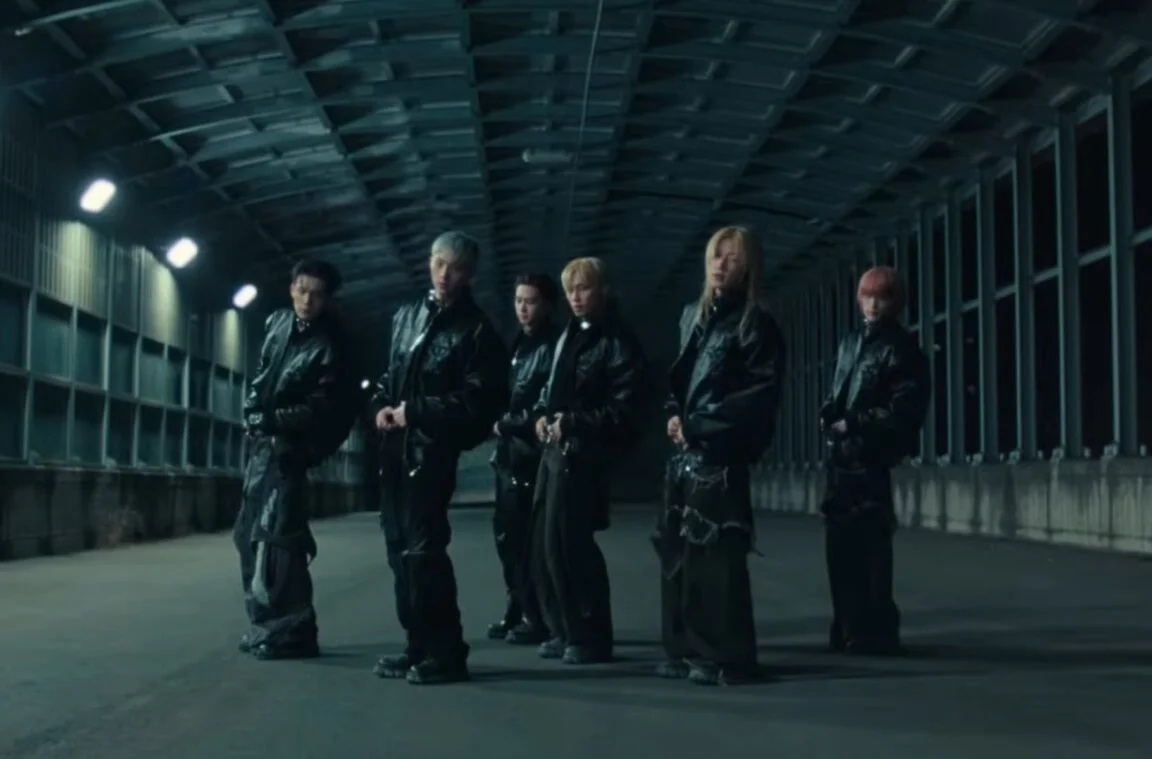
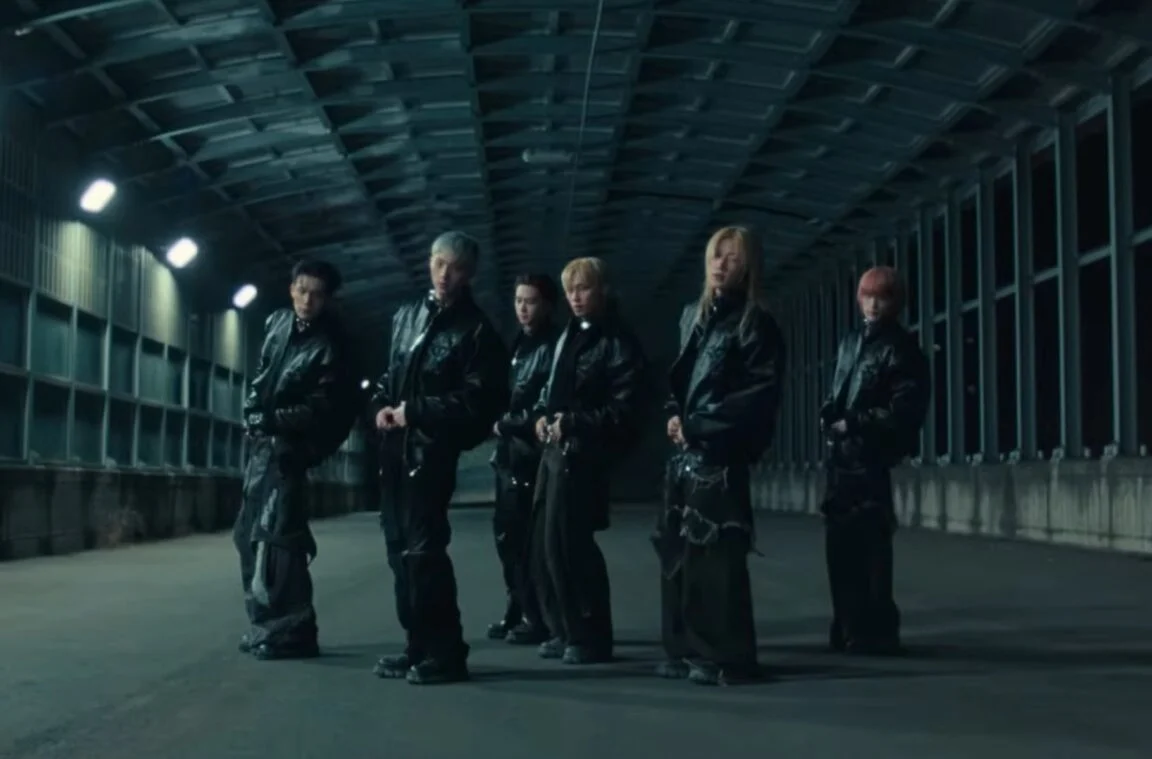
The music video for "Unique" embraces a maximalist aesthetic, heavily reliant on visual effects (VFX). While maximalism can often serve as a powerful tool to amplify artistic expression, particularly fitting for P1Harmony’s bold persona, the execution in this instance falls short of its potential. The visual language employed—a predictable dystopian fantasy—lacks novelty, failing to offer any fresh perspectives or innovative storytelling. The imagery, while a common trope in music video production, unfortunately, does not live up to the promise of its title, presenting a narrative that is, by its own definition, not particularly unique.

The application of these VFX elements appears to be a missed opportunity for artistic subtlety. Effectively executed, even well-trodden visual motifs can resonate with audiences. However, the music video for "Unique" suffers from a discernible lack of polish, with many special effects appearing disjointed and lacking the seamless integration that characterizes high-budget productions. This suggests that the project may have operated under significant budgetary constraints, a stark contrast to the expansive visual canvases often bankrolled by major entertainment companies to achieve a particular caliber of spectacle. The editing can feel abrupt, and the visual transitions often lack fluidity, detracting from the overall viewing experience.

Despite these shortcomings, the music video is not entirely devoid of merit. Certain VFX shots demonstrate moments of creative synergy with the members’ performances. For instance, a stylized, comic-book-esque rendering of Jiung that fluidly morphs into his actual visage, or a close-up of Intak where dramatic veins appear to course down his face, offer glimpses of engaging visual concepts. These instances suggest that when the visual effects were thoughtfully integrated with the artists’ presence, they could enhance the narrative. However, the music video’s most significant failing lies in its tendency to overwhelm the very charisma that defines P1Harmony. The elaborate visual clutter often drowns out the members’ natural charm and engaging performances, elements that are crucial to their appeal.

A direct comparison with their live performances of "Unique" on music shows starkly highlights this disparity. On stage, the song truly ignites, amplified by the members’ dynamic stage presence, engaging choreography, and genuine connection with the audience. The energy and personality that are somewhat obscured in the music video flourish in these live settings, underscoring the importance of a visual strategy that prioritizes the group’s core strengths.

P1Harmony’s Ascent: A Deliberate Build to Success

P1Harmony, comprised of Keeho, Theo, Jiung, Intak, Soul, and Jongseob, debuted under FNC Entertainment on October 28, 2020, with their EP "Disharmony: Stand Out" and its title track "Siren." Unlike many groups that achieve immediate widespread recognition, P1Harmony’s growth has been a testament to sustained effort and fan engagement. Their early releases established a foundation of assertive hip-hop influences blended with pop sensibilities, often exploring themes of rebellion against societal norms and the pursuit of individual identity.

The group’s discography can be broadly categorized under the "Disharmony" series, which explores the challenges and conflicts faced by young individuals navigating the complexities of the modern world. This thematic arc has resonated with a growing international fanbase, drawn to P1Harmony’s authentic messaging and powerful stage performances. Their dedication to refining their craft, evident in their rigorous training and consistent touring, has allowed them to build a loyal following organically.

The "Unique" Era: Sonic Brilliance Meets Visual Disconnect

The release of "Unique" marks a significant point in P1Harmony’s career, signaling a maturation of their musical style. The track itself is a high-energy anthem characterized by a driving beat, catchy hooks, and confident rap verses. It encapsulates the group’s signature blend of aggressive hip-hop undertones and infectious pop melodies, further solidifying their established sound while pushing its boundaries. The song’s lyrical content, aligning with their overarching themes, likely speaks to individuality and self-acceptance in a world that often pressures conformity.

Analyzing the Music Video’s Creative Choices

The "Unique" music video, directed by an unnamed production team, aimed to visually represent the song’s title and thematic underpinnings. The choice of a maximalist, VFX-heavy approach suggests an ambition to create a visually striking and memorable product. However, the implementation of this vision has drawn criticism for its perceived lack of originality and execution.

Key Visual Elements and Their Impact:

  • Dystopian Fantasy Setting: The recurring use of dark, futuristic landscapes, often populated with abstract digital elements and imposing structures, is a well-established visual trope. While intended to create an atmosphere of conflict or societal breakdown, it fails to offer a fresh interpretation. This reliance on familiar imagery can inadvertently dilute the impact of the song’s message.
  • VFX Integration: The integration of computer-generated imagery (CGI) and visual effects is central to the video’s aesthetic. While some individual effects, such as the morphing portrait and facial vein simulation, show creative intent, the overall execution lacks the seamless polish expected in contemporary music video production. The clunky transitions and often jarring visual artifacts detract from the immersive quality the video likely aimed for.
  • Performance vs. Visuals: The most significant critique of the music video is its failure to adequately showcase the members’ individual charms and collective energy. The members of P1Harmony are known for their dynamic stage presence and powerful choreography, which are often the driving force behind their appeal. In the "Unique" music video, these inherent strengths appear to be overshadowed by the overwhelming visual effects, leading to a diluted impact.

Supporting Data and Industry Context

The K-pop industry places a significant emphasis on music video production as a crucial element of a comeback strategy. High-quality music videos are not only a visual representation of the music but also a primary vehicle for artist promotion and fan engagement. The production values and creative direction of a music video can significantly influence a song’s reception and a group’s brand image.

  • Budgetary Considerations: Major K-pop agencies often allocate substantial budgets to music video production, particularly for flagship groups, to ensure high-quality visuals that align with global standards. The perceived limitations in the "Unique" music video’s VFX execution may suggest a more modest budget compared to industry leaders, or perhaps a creative decision that did not fully align with the group’s performance capabilities.
  • Trend Analysis: While maximalist and VFX-heavy music videos are not uncommon in K-pop, their success often hinges on innovative concepts and flawless execution. Visuals that are overly reliant on CGI without a strong narrative or thematic coherence can often be perceived as superficial.
  • Performance-Centricity: Groups like P1Harmony, whose strength lies in their live performances and intricate choreography, often benefit from music videos that either mirror this energy or provide a distinct, complementary visual narrative. When a music video detracts from these core strengths, it can be a strategic misstep.

Fan and Industry Reactions (Inferred)

While direct statements from FNC Entertainment regarding the "Unique" music video’s production process or reception are not publicly detailed in the provided text, general industry trends and fan reactions can be inferred. Music video critiques are a common aspect of K-pop fan culture, with online communities often dissecting visual elements, choreography, and overall concept.

  • Positive Aspects: Fans likely appreciate the group’s continued commitment to releasing new music and the inherent quality of the song itself. The inclusion of striking visual moments, however brief, would also be acknowledged.
  • Areas for Improvement: The criticism regarding the music video’s visual execution and its overshadowing of the group’s charisma is likely to be a prevalent sentiment among viewers who are familiar with P1Harmony’s dynamic stage presence. The desire for visuals that better complement their performance power is a common theme in fan discussions.

Broader Impact and Future Implications

The "Unique" music video, despite its creative shortcomings, represents P1Harmony’s willingness to experiment with their visual concepts. This willingness to deviate from a potentially "interchangeable aesthetic" is, in itself, a positive sign for artistic growth. The group’s consistent development and commitment to their craft suggest that they are on a trajectory of continued improvement and exploration.

Key Takeaways for Future Productions:

  • Prioritizing Artist Strengths: Future music video concepts should be meticulously designed to highlight P1Harmony’s innate charisma, powerful choreography, and dynamic performance energy. Visual aesthetics should serve to amplify these qualities, not detract from them.
  • Strategic Visual Storytelling: While ambitious visual concepts can be effective, they must be executed with precision and a clear narrative purpose. If a maximalist approach is adopted, it must be wielded with artistic intent and technical proficiency to avoid appearing cluttered or superficial.
  • Balancing Innovation and Identity: Experimentation is crucial for artistic evolution. However, the pursuit of novelty should not come at the expense of reinforcing the group’s established identity and core appeal. The "Unique" music video serves as a valuable learning experience, informing future creative decisions.

In conclusion, P1Harmony’s "Unique" comeback is a testament to their enduring musical talent and their steady ascent within the K-pop industry. The song itself stands as a strong representation of their sonic evolution and captivating energy. While the music video for "Unique" may not have fully realized its visual ambitions, it underscores the group’s commitment to exploring new creative avenues. The experience, though imperfect, offers valuable insights that will undoubtedly inform P1Harmony’s future artistic endeavors, reinforcing the truth that any aesthetic choice must ultimately serve to amplify the group’s undeniable charm and formidable performance power. The journey of P1Harmony continues, marked by a consistent drive for self-improvement and a growing connection with their dedicated global fanbase.
CORTIS’s Debut Concert Plunges into Second Wave of Controversy Amidst Allegations of Staged Mosh Pit and Uninspired Setlist

The highly anticipated debut concert of K-Pop sensation CORTIS, held on July 18, 2026, has ignited a second wave of significant controversy, following widespread allegations from attendees that a viral "mosh pit" scene, heavily circulated in online videos, was not an organic display of fan enthusiasm but rather a deliberately staged act involving professional dancers. This revelation compounds an already growing backlash against the concert’s perceived lack of production quality and a surprisingly brief, repetitive setlist, casting a shadow over the group’s inaugural solo performance.

The Genesis of the Controversy: A Viral Moment Under Scrutiny

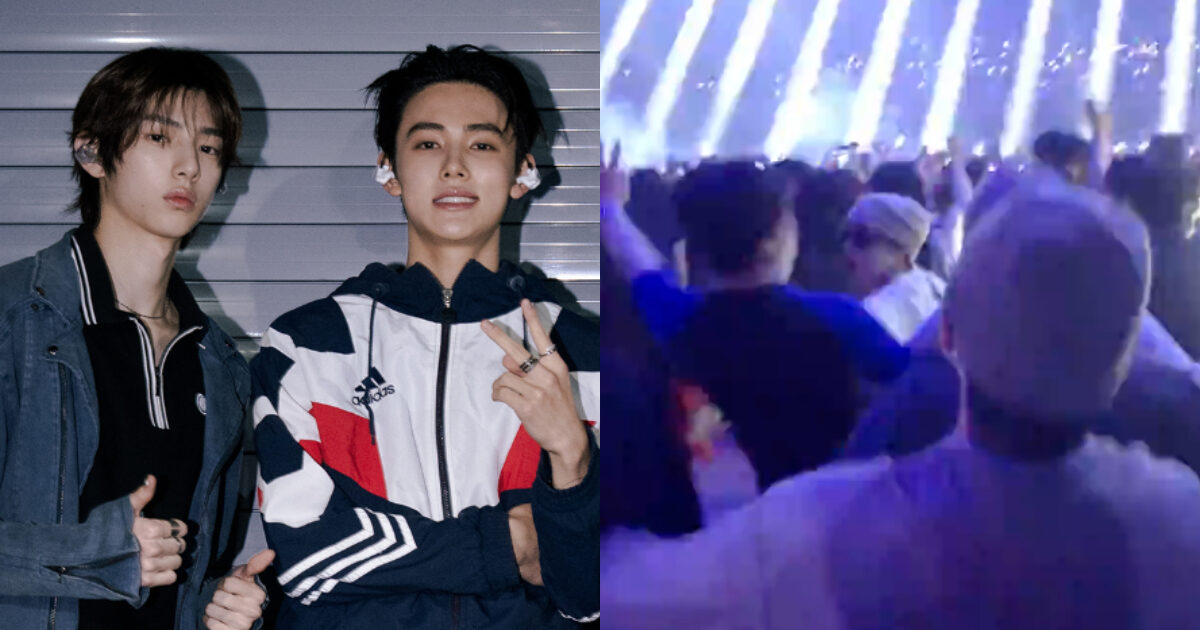
Initial clips from the July 18 concert swiftly captured global attention, particularly among international K-Pop enthusiasts. These videos showcased a remarkably energetic group of male attendees in the standing section, vigorously jumping, dancing, and seemingly engaging in a mosh-like fervor. The scenes were quickly lauded across social media platforms as compelling evidence of CORTIS’s broad appeal, suggesting the group had successfully attracted a demographic of male casual listeners. This was seen as a significant departure from the traditional K-Pop concert experience, which often sees more restrained fan interactions, leaning instead towards the uninhibited atmosphere more commonly associated with hip-hop or rock shows. International fans, in particular, celebrated these "fanboys" as a testament to CORTIS’s crossover potential and the unique, electrifying environment they seemingly cultivated within the venue. The narrative spun quickly: CORTIS was breaking molds, appealing beyond the typical K-Pop demographic, and creating a raw, authentic concert energy.

CORTIS Accused Of Planting Dancers In The Crowd To Fake Viral “Mosh Pit”

However, this celebratory narrative began to unravel as early as the evening of the concert itself. Korean attendees, who were physically present at the event, started to challenge the authenticity of the viral moment. Through numerous accounts disseminated across online communities and social media, a counter-narrative emerged: the individuals generating much of the perceived "mosh pit" energy were allegedly neither ordinary fans nor influencers genuinely swept up in the moment. Instead, they were reportedly professional dancers, strategically placed within the audience as an integral part of the concert’s overall production design.

Unmasking the Allegations: Accounts from the Venue Floor

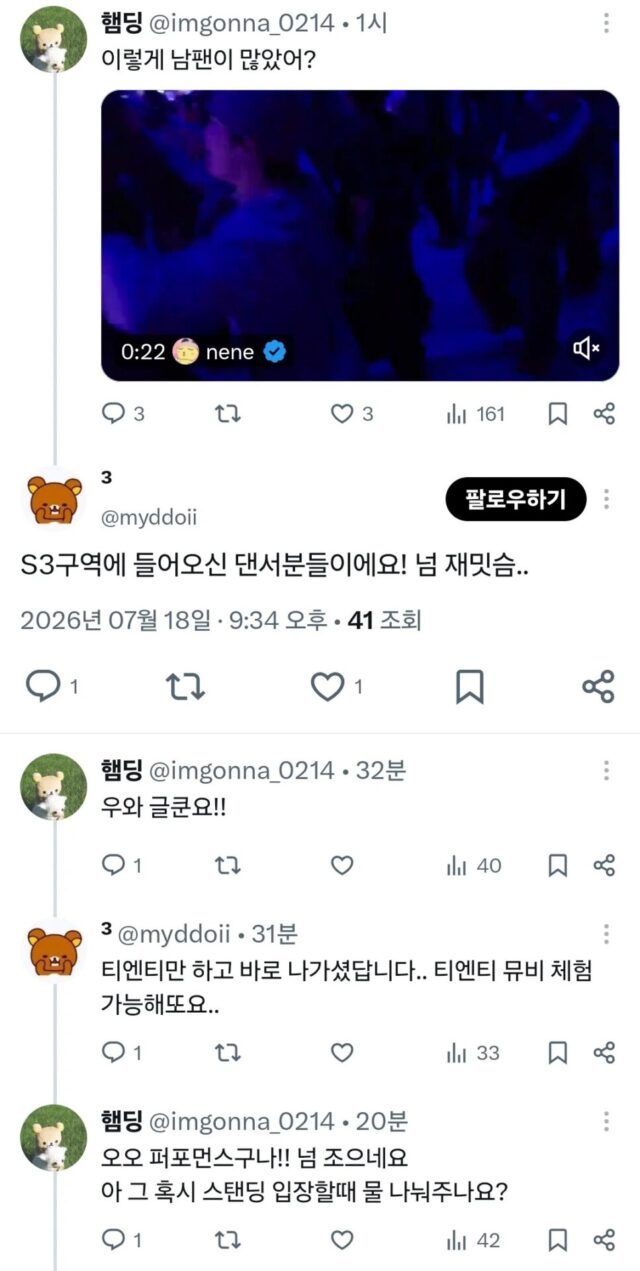
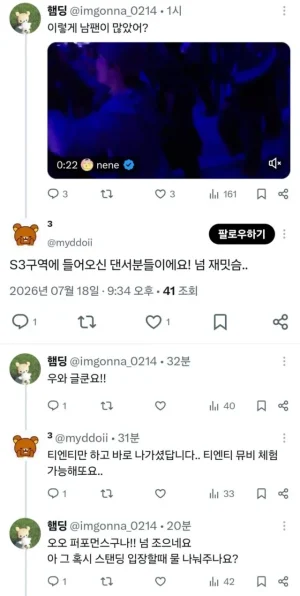
The claims quickly gained traction as purported concertgoers shared their observations. One alleged attendee explicitly stated that approximately 30 dancers had been positioned within the standing section, specifically in the S3 zone, where much of the energetic activity was concentrated. These "performers" were reportedly observed to leave the venue promptly after certain key performances, notably following the song "TNT," further fueling suspicions that their presence was orchestrated rather than spontaneous. Screenshots of online conversations between fans circulated widely, with one exchange directly questioning the sudden surge of male fan engagement:

  • Fan 1: "Did CORTIS always have this many fanboys?"
  • Fan 2: "They were dancers in S3 zone. So fun."
  • Fan 1: "Oh, I see."
  • Fan 2: "They left right after TNT. It was like experiencing the TNT MV…"
  • Fan 1: "Oh, so it was a performance then. That’s cool. Did they hand out water when you entered the standing section?"

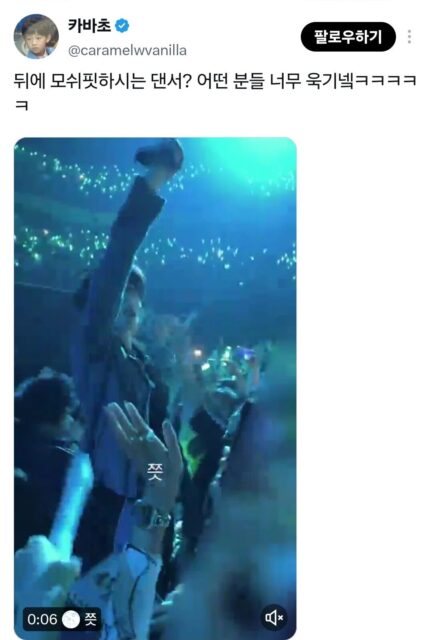
Another fan’s comment, "The dancers(?) trying to pull off the mosh pit thing were so funny," underscored the perception among some in the audience that the ‘mosh pit’ felt manufactured and somewhat artificial. These direct observations from attendees painted a picture vastly different from the organic enthusiasm initially portrayed in the viral clips. The implication was clear: what was presented as genuine fan interaction was, in fact, a carefully choreographed performance element designed to manipulate audience perception.

CORTIS Accused Of Planting Dancers In The Crowd To Fake Viral “Mosh Pit”

The "Mosh Pit" Debate: Authenticity vs. Artifice

As the allegations spread, a critical discussion emerged regarding the very definition and authenticity of the "mosh pit" scene itself. Many netizens pointed out that the actions depicted in the CORTIS clips – largely attendees jumping and dancing in place – did not align with the traditional understanding of moshing. Moshing, culturally rooted in punk rock, metal, and hardcore music scenes, typically involves concertgoers actively pushing, colliding, and moving aggressively within an open area, often creating a dynamic and physically intense experience. The alleged CORTIS "mosh pit," in contrast, appeared to be a more controlled, almost performative, display of energy rather than a spontaneous eruption of physical interaction.

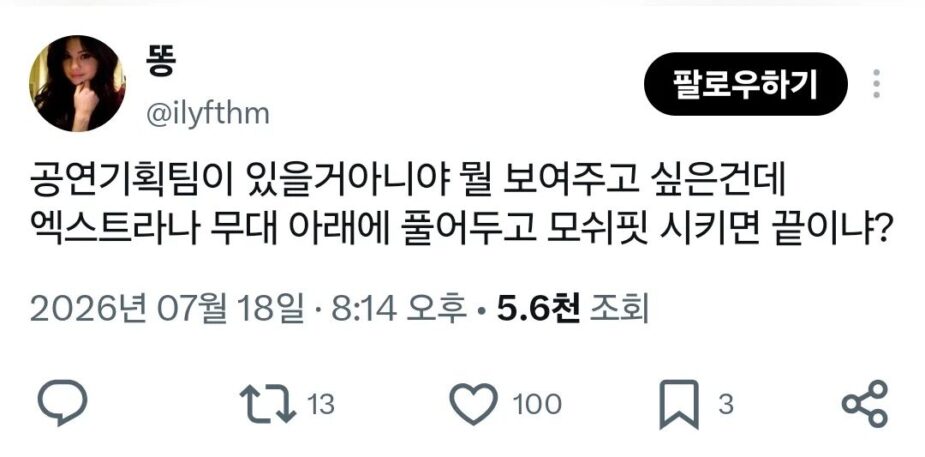
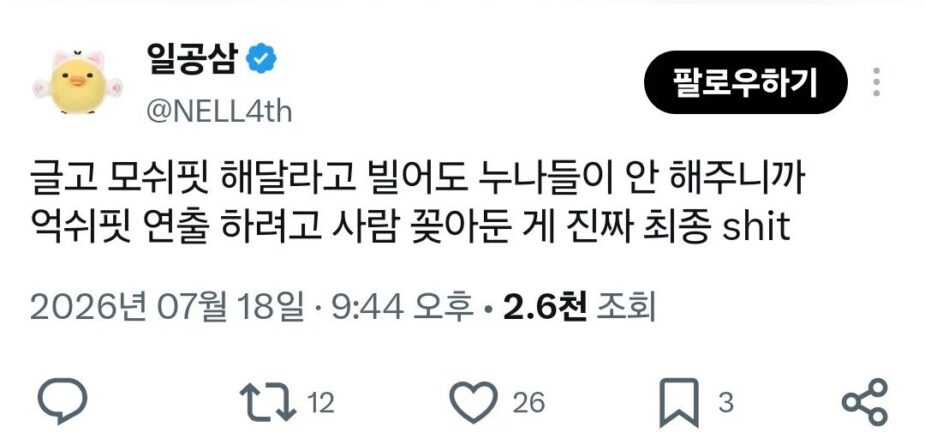
This distinction became central to the broader critique. Accusations mounted against the concert organizers, suggesting they were attempting to manufacture a seemingly spontaneous audience moment that could later be leveraged online as proof of "organic fan enthusiasm." Critics argued that this was part of a meticulously constructed image, designed to portray CORTIS’s concerts as edgier, more dynamic, and thus more appealing to a broader, particularly male, demographic. The term "fake mosh pit" became a common descriptor, highlighting the perceived deception. One fan lamented, "Do they not have a performance directing team? Like what were they trying to prove with this concert? Hiring people to pull a fake mosh pit in the audience? Was that the whole plan?" Another sarcastically remarked, "The fact that they planted people to stage a fake mosh pit in the audience because the actual fan noonas would never. It’s all bullshit." These reactions underscore a deep sense of betrayal among fans who value authenticity and genuine connection in their K-Pop experiences.

A Pre-Existing Storm: The Setlist Controversy

CORTIS Accused Of Planting Dancers In The Crowd To Fake Viral “Mosh Pit”

The "staged mosh pit" allegations did not land in a vacuum; they exacerbated an already simmering discontent regarding the concert’s overall production quality and setlist. Even before the mosh pit claims surfaced, CORTIS’s debut concert was drawing considerable criticism for its unusually short duration and highly repetitive song selection.

Despite having only 12 officially released songs in their discography, a common challenge for rookie groups, the concert reportedly lasted approximately one hour and forty minutes. What surprised and disappointed many attendees was the reported absence of any cover stages, special performances, or even outfit changes throughout the entire show. Instead, several of CORTIS’s original songs were reportedly performed multiple times during both the main show and the encore. Tracks like "REDRED," "YOUNGCREATORCREW," and "Mention Me" were allegedly repeated, leading to a sense of déjà vu and a distinct lack of variety for the audience.

This approach stands in stark contrast to standard industry practices for rookie K-Pop groups. Faced with limited discographies, new groups commonly augment their setlists with popular covers, unique arrangements of their existing songs, solo or unit stages, unreleased tracks, or engaging VCR segments to create a more robust and memorable concert experience. The decision by CORTIS’s production team to omit these elements and instead rely on repetitions was widely questioned, leading many to feel that the concert offered poor value for money and a subpar experience for dedicated fans.

A detailed critique from one fan, circulated widely online, enumerated a list of grievances:

CORTIS Accused Of Planting Dancers In The Crowd To Fake Viral “Mosh Pit”
  1. "Their outfits were no different from what they wear on music shows." (Lack of visual variety/special occasion feel).
  2. "They performed no cover songs or unreleased tracks." (Missed opportunity for unique content).
  3. "They performed for only 100 freaking minutes and left immediately afterward." (Short duration for a debut concert).
  4. "The core fans stayed in their seats chanting for an encore for ten minutes, thinking, ‘Is this seriously the end?’ But the members had already left." (Perception of disengagement from the group).
  5. "With Keonho absent, the four-member formations looked weird as hell." (Highlighting a member’s absence without apparent adjustments).
  6. "They milked ‘GO!’ and ‘REDRED’ to death, performing them over and over again." (Repetitive setlist).
  7. "They only interacted with the people on the floor and barely even looked toward the seated sections." (Lack of engagement with a significant portion of the audience).
  8. "They are literally entertainers, yet they kept telling us to put our phones down a million times. I almost threw mine." (Perceived over-strictness regarding fan recordings, despite the desire for viral content).
  9. "The lighting was so blinding that I could not even see their faces." (Poor technical execution impacting fan experience).
  10. "They did not even pretend to cry and arrogantly gave just a one-line closing remark." (Perceived lack of emotional connection or gratitude from the members).

These complaints painted a picture of a concert experience that fell significantly short of expectations, leaving many fans feeling undervalued and disappointed. The subsequent allegations of a staged mosh pit only served to amplify these existing frustrations, creating a perfect storm of negative sentiment.

Official Silence and Lingering Questions

As of the time of this report, neither CORTIS nor their agency, BIGHIT MUSIC, has issued an official statement or confirmation regarding the claims that professional dancers were deliberately placed in the audience to create the viral "mosh pit" scene. The allegations remain based solely on the accounts of purported concertgoers and the extensive discussions that have unfolded across various Korean online communities and social media platforms.

The silence from the agency has, in many ways, further fueled speculation and intensified the debate. In the absence of an official explanation or denial, fans and industry observers are left to interpret the events based on the available anecdotal evidence. This lack of transparency can often be detrimental in the K-Pop industry, where direct communication and accountability are highly valued by the dedicated fanbase.

CORTIS Accused Of Planting Dancers In The Crowd To Fake Viral “Mosh Pit”

Broader Implications: Authenticity, Fan Trust, and Industry Ethics

The CORTIS concert controversy, particularly the "fake mosh pit" allegations, carries significant implications for the group, BIGHIT MUSIC, and the broader K-Pop industry.

Firstly, it strikes at the core of authenticity, a highly prized commodity in the entertainment world, especially in K-Pop where fan-artist connection is paramount. If confirmed, the deliberate staging of audience reactions could be perceived as a deceptive tactic, undermining the genuineness of the fan experience and the integrity of the performance itself. It creates a perception that the audience’s enthusiasm is not earned but manufactured, which can deeply damage an artist’s brand and public image.

Secondly, the incident risks eroding fan trust. K-Pop fans are known for their fierce loyalty and deep emotional investment. Discovering that a viral moment of apparent organic support was allegedly fabricated can lead to feelings of betrayal and skepticism towards future interactions and promotional content. This can have long-term consequences for fan engagement, album sales, and concert attendance. The notion that an agency would manipulate audience reactions for promotional gain suggests a cynical view of the fanbase, potentially alienating the very people who drive the group’s success.

CORTIS Accused Of Planting Dancers In The Crowd To Fake Viral “Mosh Pit”

Thirdly, the controversy raises ethical questions about concert production and marketing strategies within the K-Pop industry. While elements of stagecraft are common in live performances, actively disguising paid performers as regular audience members to simulate a specific type of fan reaction crosses a line for many. It forces a conversation about the boundaries of "performance directing" and where it transitions into misleading the public. In an era dominated by social media virality, the temptation to engineer "organic" moments for online promotion can be strong, but this incident serves as a cautionary tale about the potential backlash when such tactics are exposed.

Finally, the overall criticism regarding the concert’s short, repetitive setlist, coupled with the alleged staging, points to potential issues in production planning and artist management. For a debut concert, particularly for a group from a prominent agency like BIGHIT MUSIC, expectations are inherently high. Delivering a performance that feels underdeveloped or creatively lacking, then compounding it with allegations of manufactured enthusiasm, can significantly hinder a group’s initial momentum and public reception. It suggests a disconnect between the ambitious image projected and the actual quality of the live experience delivered.

As CORTIS navigates the aftermath of this double-edged controversy, the spotlight remains firmly on the group and BIGHIT MUSIC to address these serious allegations and demonstrate a commitment to transparency and genuine fan engagement. The unfolding situation highlights the delicate balance between creating compelling spectacle and maintaining authenticity in the high-stakes world of K-Pop.

P1Harmony’s "Unique" Comeback: A Strong Song Hindered by an Uninspired Music Video

In the fast-paced K-pop landscape, where viral moments and immediate debut successes often define a group’s trajectory, P1Harmony stands as a compelling outlier. Rather than experiencing a meteoric rise, the six-member boy group, under FNC Entertainment, has meticulously carved out their niche through consistent effort and the cultivation of a distinct identity. Their journey is characterized by a playful, high-energy, and audacious style that has solidified in recent years, culminating in their latest comeback, "Unique." While the track itself has been met with acclaim for its catchy melody and signature P1Harmony sound, the accompanying music video has drawn criticism for its uninspired execution, failing to match the song’s inherent energy and the group’s charisma.

A Steady Ascent in a Competitive Market

P1Harmony, comprising members Keeho, Theo, Jiung, Intak, Soul, and Jongseob, debuted on October 28, 2020, with the extended play (EP) Disharmony: Stand Out. Unlike many groups that achieve immediate recognition, P1Harmony has built their fanbase organically, demonstrating resilience and strategic growth. Their discography consistently explores themes of rebellion against societal norms and the pursuit of individual identity, often reflected in their dynamic performances and the thematic coherence of their album series, such as the Disharmony trilogy. This deliberate approach has fostered a dedicated following that appreciates the group’s commitment to their artistic vision.

The group’s signature style is a blend of robust hip-hop influences, powerful choreography, and an infectious youthful energy. Their live performances are frequently lauded for their intensity and the members’ undeniable stage presence. This has been a cornerstone of their appeal, allowing them to connect with audiences on a visceral level, even when their music videos have not always reached their full potential.

The "Unique" Comeback: A Tale of Two Halves

The release of "Unique" marks a significant point in P1Harmony’s career, showcasing their continued evolution as artists. The song itself is a testament to their established sound – a driving beat, compelling vocal delivery, and a chorus designed for maximum impact. It embodies the playful yet assertive spirit that has become their hallmark. However, the visual representation of "Unique" in its music video has become a point of contention, with many observers noting a disconnect between the song’s vibrant energy and the video’s execution.

The music video for "Unique" adopts a maximalist, visually effects-heavy approach. While this strategy can be effective in conveying bold concepts and enhancing a song’s impact, the execution in this instance has been deemed lacking. The video relies on a deluge of visual effects, predominantly featuring run-of-the-mill dystopian fantasy imagery. This aesthetic choice, ironically, fails to live up to the song’s title, offering little in the way of novelty or originality. The imagery, while present in abundance, does not offer a fresh perspective or a compelling narrative to engage viewers.

Execution Falls Short of Ambition

The article highlights that the video’s reliance on familiar dystopian tropes, combined with a less-than-artful execution, diminishes its potential impact. While such themes can be compelling when handled with skill and creativity, the "Unique" music video appears to have struggled in translating its ambitious visual direction into a cohesive and captivating experience. The editing is described as choppy, and many of the visual effects are perceived to land awkwardly, lacking the seamless integration that would make them truly effective.

This critique suggests a potential mismatch between the creative vision and the available resources or production capabilities. High-impact visual effects often require substantial budgets, and the article implies that the production of the "Unique" music video may not have had the financial backing to fully realize its maximalist aspirations. The result is a visual experience that feels somewhat unpolished, failing to achieve the desired level of immersion or artistic merit.

Glimmers of Brilliance Amidst the Clutter

Despite the overarching criticisms, the music video for "Unique" is not entirely devoid of merit. The article points to specific moments where the visual effects do work in synergy with the members’ performances. For instance, a comic book-style depiction of Jiung that seamlessly morphs into his actual face is cited as an example of creative integration. Similarly, a close-up of Intak featuring dramatic veins appearing on his face is noted as a visually interesting and effective element. These instances suggest that the production team possessed the capacity for inventive visual storytelling, even if it was not consistently applied throughout the video.

However, the article’s most significant critique is that the visual clutter of the music video ultimately overshadows P1Harmony’s inherent charisma and performance prowess. The group’s strength lies in their dynamic stage presence, synchronized choreography, and the palpable energy they exude when performing live. The music video, by being overladen with effects, appears to have diluted these key strengths.

The stark contrast between the music video and a live performance of "Unique" on a music show underscores this point. On stage, the song reportedly "bursts to life," energized by the members’ engaging performance touches and powerful choreography. This highlights a fundamental challenge: an effective music video should amplify, not detract from, the core strengths of the artist and the song.

The Path Forward: Experimentation with Focus

Ultimately, the article concludes that "Unique" remains a strong comeback for P1Harmony, primarily due to the strength of the song itself and the group’s enduring appeal. The attempt to experiment with a different visual aesthetic for the music video is acknowledged as a positive step, especially given the group’s historical tendency towards a somewhat interchangeable visual style across their MVs. This willingness to explore new creative avenues is crucial for artistic growth and maintaining audience engagement.

However, the experience with the "Unique" music video serves as a valuable lesson. The article emphasizes the importance of prioritizing the group’s core strengths in any future visual endeavors. Any aesthetic or concept that fails to highlight P1Harmony’s charm, performance power, and individual charisma is ultimately counterproductive. The success of a music video, particularly in the competitive K-pop market, lies not just in its visual spectacle but in its ability to connect with viewers and showcase the artist in their best light.

Looking ahead, P1Harmony’s journey suggests that while experimentation is vital, it must be guided by a clear understanding of what makes the group resonate with their audience. The group’s trajectory, marked by steady growth and a commitment to their unique identity, positions them well to continue their career. The hope is that future music video productions will strike a more effective balance, leveraging creative visuals to enhance, rather than obscure, the captivating energy and undeniable talent of P1Harmony. Their ability to consistently deliver strong musical performances, as evidenced by their live stages, remains their most potent asset, and future visual content would do well to mirror this powerful foundation.

Somi’s "Closer" Fails to Captivate with Familiar Melody and Uninspired Execution

Jeon Somi’s latest musical offering, "Closer," has arrived with a perplexing blend of familiar sounds and a perceived lack of distinct identity, leaving audiences and critics questioning its artistic direction. The track, which heavily interpolates Sean Kingston’s 2007 chart-topping hit "Beautiful Girls," has been met with a bifurcated reception, praised by some for its bold reimagining while criticized by others for its derivative nature and underdeveloped lyrical themes. This analysis delves into the complexities of "Closer," examining its musical composition, lyrical content, visual presentation, and its potential implications for Somi’s career trajectory within the competitive K-pop landscape.

A Familiar Echo: The "Beautiful Girls" Interpolation

The most immediately striking element of "Closer" is its unmistakable melodic lineage. The song prominently features an interpolation of Sean Kingston’s "Beautiful Girls," a reggae-infused pop anthem that dominated airwaves nearly two decades ago. This deliberate sampling strategy, while not uncommon in contemporary music, has sparked debate regarding its effectiveness. Somi herself acknowledged the challenge in a statement to The Korean Herald, remarking, "it’s challenging to turn a well-known song into something original. But I feel ‘Closer’ blends old-school charm, today’s house and techno trends, and my own voice perfectly."

However, the execution of this blend has been met with skepticism. Critics argue that "Closer" often feels less like an original composition that thoughtfully incorporates a classic element and more like a straightforward remix. The "shouty chorus," as described by some reviewers, is seen as adding little intrinsic value and detracting from the potential for a more nuanced artistic statement. This raises a fundamental question about the song’s overall artistic merit: does it successfully elevate the source material, or does it merely capitalize on its recognition?

Interpolation Holds Somi Back in “Closer”

The practice of interpolation in music is a complex art form. When executed with finesse, it can bridge generational gaps, introduce new audiences to timeless melodies, and provide a fresh perspective on established hits. Riize’s recent successful track "Love 119," which interpolated Izi’s "Emergency Room," is often cited as an example of this done well, demonstrating how a familiar melody can be reimagined to create something novel and resonant. In contrast, "Closer" appears to struggle with this balance, with the pervasive influence of "Beautiful Girls" overshadowing Somi’s own artistic voice. The result is a track that, for many, lacks a distinct identity and fails to leave a lasting impression beyond its initial sonic familiarity.

Lyrical Disconnect: The "Closer" Paradox

The thematic coherence of "Closer" is another area of contention. The song’s title suggests a narrative centered on intimacy, yearning, and the desire for proximity. However, the lyrical content appears to offer only superficial engagement with this central theme. The explicit mention of "closer" appears in a single line within the chorus: "And I’ma need you closer." This sparse inclusion, juxtaposed with the frequent invocation of "beautiful girl" (a direct nod to the Sean Kingston original), has led to the observation that the song might have been more accurately titled "Beautiful Girls (2025)."

Somi has indicated that the song’s "playful unpredictability mirrors the lyric ‘a beautifully crooked dream,’ which reflects the search for herself amid uncertainty." This sentiment is partially echoed in verses that describe the intoxicating feeling of being lost in the moment with a lover, such as "When I’m lookin’ in your eyes / I forgot about the time" and "Oh, when we start to sway / It’s like I’m losing my mind." These lines hint at a deeper emotional landscape, exploring themes of infatuation and the surrender to impulse.

Despite these glimmers of emotional depth, the overall lyrical presentation is widely perceived as generic and uninspired. The repeated reliance on phrases from the interpolated track, even if unintentional, dilutes the impact of Somi’s intended message. This reliance on the recognizable framework of "Beautiful Girls" appears to have constrained the creative freedom of the songwriting process, preventing the lyrics from fully developing into an original and compelling narrative. For an artist of Somi’s caliber, known for her expressive performances and ability to convey emotion, this lyrical shallowness is particularly disappointing. Her past successes with tracks like "Watermelon" and "Anymore" demonstrate a capacity for vivid storytelling and authentic emotional expression without depending on borrowed melodies.

Interpolation Holds Somi Back in “Closer”

Visual Spectacle: An Uncanny Aesthetic

The music video for "Closer" presents a starkly different experience from the song’s audio. Visually, the MV is characterized by a deliberate unsettling and overstimulating aesthetic. Flashing lights, glitchy effects, and a chaotic visual presentation contribute to a disorienting and immersive experience. This approach has been interpreted as an attempt to compensate for perceived shortcomings in the song’s auditory impact, bombarding the viewer with sensory input.

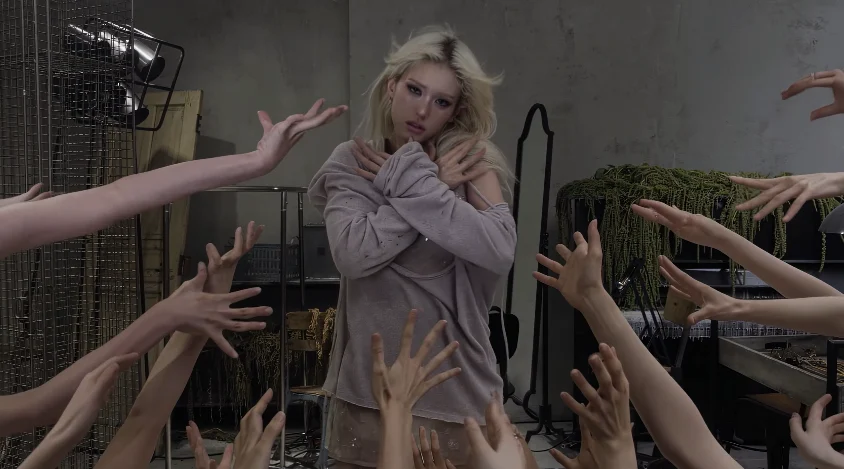
The narrative within the MV depicts Somi in a surreal environment, interacting with dancers on a grass-covered floor where tree branches inexplicably sprout. Somi’s visual transformation, evolving into an almost alien or metallic form, signifies a loss of self and a descent into a disorienting mental state. This avant-garde direction has been likened to the aesthetic of a high-concept fashion store, such as Gentle Monster, known for its uncanny, surreal, and metallic designs. While the MV showcases some progression and visual dynamism, its abstract nature may not resonate universally with all viewers.

A notable aspect of the visual production is the incorporation of artificial intelligence (AI). While the use of AI is increasingly prevalent in creative industries, its application in the "Closer" MV has drawn mixed reactions. Some argue that it enhances the unsettling tone, while others contend that similar effects could have been achieved through traditional artistic methods, potentially with greater humanistic depth. The decision to employ AI in this context raises questions about artistic intent versus technological trend-following, particularly for an artist seeking to establish a strong individual brand.

Strategic Decisions and Career Implications

The release of "Closer" as the title track of Somi’s album Chaotic & Confused has prompted considerable discussion about her strategic decision-making in her music releases. This is not the first instance where a pre-release single or title track has generated debate among her fanbase. Reviews of previous singles like "Ice Cream" and "Extra" also highlighted concerns about their suitability as lead singles. There appears to be a recurring sentiment that alternative tracks within her discography, such as "Chaotic & Confused" itself or "Escapade," might have offered a stronger representation of her artistic capabilities and a more compelling introduction to her album’s themes.

Interpolation Holds Somi Back in “Closer”

The album title, Chaotic & Confused, ironically mirrors the reception of its lead single. The disconnect between the album’s overarching theme and the execution of its primary promotional track leaves fans questioning the coherence of the artistic vision. For an artist operating under The Black Label, a powerhouse agency known for nurturing innovative talent, the performance of "Closer" is particularly significant. With newer artists like Meovv and Allday Project experiencing notable success, the pressure on established artists like Somi to maintain momentum and deliver impactful releases is considerable.

The release of Chaotic & Confused was seen by many as an opportunity for Somi to build upon the success of her 2023 hit "Fast Forward." The current perception is that "Closer" has not fully capitalized on this potential, leading to a sense of disappointment among those who anticipate her continued growth and artistic evolution. The future trajectory of Somi’s career, particularly in the context of her next album or single release, will be closely watched to see if she can reclaim the artistic spark that has defined her earlier work and solidify her unique position in the global music scene.

Conclusion: A Missed Opportunity?

In its current iteration, "Closer" represents a complex case study in musical adaptation and artistic expression. While Somi’s commitment to exploring new sonic territories and her willingness to experiment are commendable, the execution of this particular track falls short of expectations for many. The reliance on a well-known interpolation, coupled with underdeveloped lyrical themes and a potentially divisive visual presentation, has resulted in a song that is more perplexing than profound.

The challenge for Somi and her team moving forward will be to navigate the delicate balance between innovation and accessibility, ensuring that future releases not only capture the attention of audiences but also resonate on a deeper artistic and emotional level. The legacy of "Beautiful Girls" is undeniable, but the future of Somi’s music lies in her ability to forge her own distinct narrative and sound, leaving a lasting impression that transcends mere familiarity. The question remains: will "Closer" be remembered as a bold experiment or a missed opportunity in Somi’s evolving discography?

P1Harmony’s "Unique" Comeback: A Musical Triumph Overshadowed by an Uninspired Music Video

In an era of K-pop characterized by rapid-fire viral trends and instant debut successes, the six-member boy group P1Harmony stands as a compelling outlier. Unlike many of their contemporaries who ascend to stardom with meteoric speed, P1Harmony has forged a path of steady, deliberate growth. Over the past few years, they have meticulously cultivated and refined a signature style marked by its playful, brash, and high-energy performances. This consistent artistic development has culminated in their latest comeback, featuring the undeniably catchy track "Unique," which continues their trajectory of musical success. However, the accompanying music video for "Unique" presents a contrasting narrative, one that falls short of the group’s established dynamism and visual potential.

The Ascent of P1Harmony: A Deliberate Rise to Prominence

P1Harmony, a group under FNC Entertainment, debuted on October 28, 2020, with their extended play (EP) "Disharmony: Stand Out." From their inception, the members – Keeho, Theo, Jiung, Intak, Soul, and Jongseob – have demonstrated a keen understanding of their artistic identity. Their music often blends aggressive hip-hop beats with pop sensibilities, creating a soundscape that is both powerful and accessible. This is frequently complemented by intricate and energetic choreography, a hallmark of their live performances.

The group’s journey to wider recognition has been a testament to their perseverance and the organic growth of their fanbase. While not experiencing an immediate surge in popularity, P1Harmony has consistently released high-quality music and engaging content, gradually building a dedicated following both domestically and internationally. Their EPs, such as "Disharmony: Break Out" (2021), "Disharmony: Find Out" (2022), and "Harmony: Set In" (2022), have each contributed to solidifying their distinct musical color. This patient approach has allowed them to build a foundation of genuine engagement rather than fleeting hype.

"Unique": A Song of Energy, A Video of Missed Opportunity

The single "Unique" itself is a testament to P1Harmony’s continued musical prowess. The track embodies their characteristic bold energy, featuring a driving beat and confident vocal delivery that immediately captures the listener’s attention. Its infectious melody and empowering lyrics are designed to resonate with an audience seeking anthems of self-expression and individuality. The song’s title aptly reflects the group’s own journey – carving out a distinct identity in a competitive industry.

However, the music video for "Unique" appears to have taken a different, less successful, creative direction. The production leans heavily into a maximalist, VFX-intensive aesthetic. While such an approach can be effective in amplifying a group’s bold image and creating visually stunning narratives, the execution in "Unique" is widely perceived as lacking innovation. The video employs common dystopian fantasy tropes, a visual language that, while familiar, fails to offer anything novel or particularly engaging. The imagery, unfortunately, does not live up to the song’s titular claim of being "unique."

A Visual Disconnect: Execution Lags Behind Ambition

The maximalist aesthetic, when not meticulously crafted, can easily descend into a visually cluttered and uninspired experience. In the case of the "Unique" music video, the ambition appears to have outpaced the execution. The reliance on extensive visual effects, while suggesting a desire for a grand scale, results in a product that feels somewhat derivative. The imagery, characterized by run-of-the-mill dystopian settings and predictable fantastical elements, fails to offer a fresh perspective or a compelling narrative arc. This lack of originality is particularly disappointing given the group’s otherwise dynamic stage presence.

Furthermore, the technical execution of the visual effects is a significant point of critique. The editing appears choppy, leading to a disjointed viewing experience. Many of the effects are described as "clunky," failing to seamlessly integrate with the live-action footage. This is a common pitfall when attempting large-scale VFX-heavy productions without a commensurate budget or a highly skilled post-production team. The disparity between the intended grand vision and the realized visual output is palpable, detracting from the overall impact of the music video.

Glimmers of Brilliance Amidst the Clutter

Despite the overarching criticisms of the music video’s execution, there are indeed moments where the creative vision momentarily aligns with the group’s inherent charisma. Certain VFX shots manage to work in conjunction with the members’ performances, offering brief flashes of visual ingenuity. For instance, a comic book-style drawing of member Jiung that seamlessly morphs into his actual face demonstrates a promising concept. Similarly, a close-up shot of Intak featuring dramatic veins appearing on his face hints at a more artistic and impactful use of effects. These instances suggest that the potential for striking visuals was present, but not consistently realized across the entire video.

However, the most significant failing of the "Unique" music video, according to critical reception, is its tendency to overshadow P1Harmony’s most potent assets: their charisma and electrifying performance energy. The visual clutter and heavy reliance on special effects often detract from the members themselves, making it difficult for their individual personalities and the group’s collective dynamism to shine through.

The Stark Contrast with Live Performances

A comparison between the "Unique" music video and P1Harmony’s live performances of the same song on music show stages starkly illustrates this point. On stage, with the focus primarily on their powerful choreography, engaging stage presence, and genuine interaction, the song "bursts to life." The performances are imbued with fun, dynamic touches and showcase the strength of their choreography in a way that the music video struggles to replicate. This highlights a fundamental issue: an aesthetic choice that, in this instance, detracts from rather than enhances the core strengths of the artist.

A Strong Comeback, A Lesson Learned

Ultimately, the release of "Unique" represents a strong musical comeback for P1Harmony. The song itself is a success, further cementing their reputation for delivering energetic and catchy tracks. It is also commendable that the group and their agency are willing to experiment with different visual concepts for their music videos. Historically, their MVs have sometimes shared a fairly interchangeable aesthetic, so attempting a new direction, even if it doesn’t land perfectly, is a sign of artistic evolution.

The experience with the "Unique" music video, however, serves as a valuable lesson. While experimentation is crucial for growth, it is paramount that any creative direction prioritizes showcasing the group’s inherent charm and performance power. An aesthetic that fails to highlight these core strengths, regardless of its technical ambition or visual complexity, ultimately proves to be an aesthetic not worth pursuing. The hope is that P1Harmony will continue to explore new visual territories, but with a renewed focus on how those visuals can amplify, rather than obscure, their undeniable talent and captivating stage presence. This approach will undoubtedly ensure their continued ascent and deeper connection with their growing global fanbase.