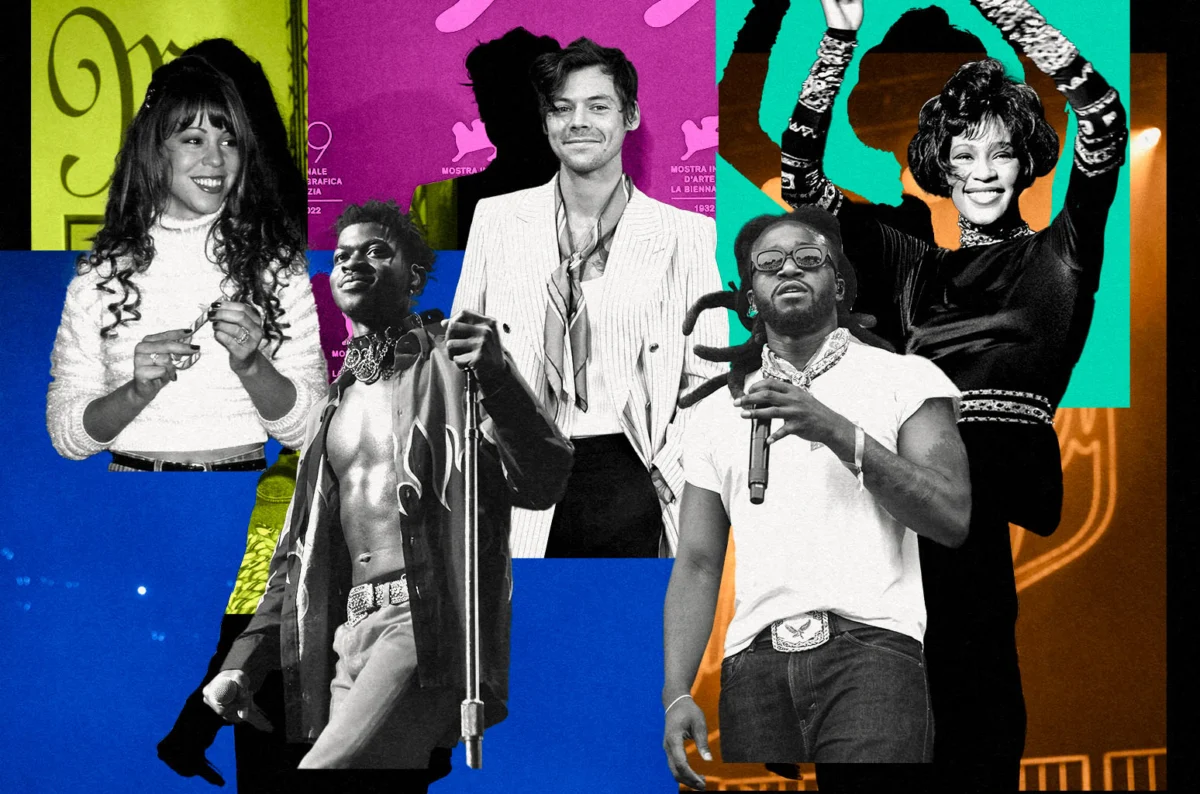
The Billboard Hot 100, the definitive chart tracking the most popular songs in the United States, has witnessed countless musical triumphs since its inception on August 4, 1958. Yet, among the thousands of songs that have reached its pinnacle, a remarkably select group has achieved a feat of extraordinary longevity: remaining at the No. 1 position for at least 10 consecutive weeks. This exclusive club represents a mere 4% of all songs that have ever topped the Hot 100, underscoring the immense difficulty and sustained appeal required to achieve such an enduring reign. These are not just fleeting chart-toppers; they are cultural touchstones that have resonated with audiences for extended periods, becoming anthems for a generation or defining moments in musical history.

The Genesis of Longevity: Early Record-Breakers
The phenomenon of extended chart dominance began to crystallize with Debby Boone’s "You Light Up My Life" in 1977. This iconic ballad captivated the nation, holding the No. 1 spot for a remarkable 10 weeks. For years, "You Light Up My Life" stood as a benchmark for chart longevity, a testament to its widespread appeal. Shortly after, Olivia Newton-John’s electrifying "Physical" matched this feat, also spending 10 weeks at the top of the charts during its 1981-1982 run. These two songs, for over a decade, shared the distinction of being the longest-reigning No. 1s in Hot 100 history.
The landscape of chart records, however, is one of constant evolution. In 1992, the R&B group Boyz II Men shattered the existing record with their heartfelt ballad "End of the Road." This powerful declaration of love and commitment commanded the No. 1 position for an unprecedented 13 weeks. This new benchmark, however, proved to be short-lived. Later that same year, Whitney Houston delivered a vocal masterclass with her rendition of Dolly Parton’s "I Will Always Love You." The song, a centerpiece of "The Bodyguard" soundtrack, became a global phenomenon, spending an astonishing 14 weeks at No. 1, thereby surpassing Boyz II Men’s record.

The Era of Electronic Tracking and Monumental Stays
The early 1990s marked a significant shift in how music consumption was measured, with the adoption of electronically tracked data by Luminate in late 1991. This technological advancement provided a more granular and accurate reflection of song popularity, and it coincided with a new era of record-breaking chart runs.
In 1995-1996, a powerful collaboration between Mariah Carey and Boyz II Men, "One Sweet Day," redefined chart longevity. This poignant tribute to overcoming adversity spent an astounding 16 weeks at No. 1. For over two decades, "One Sweet Day" stood as the undisputed record holder for the longest reign at the top of the Billboard Hot 100, a testament to its emotional resonance and broad appeal. The song’s success highlighted the growing impact of collaborations and the power of heartfelt songwriting in capturing the public’s imagination.

The early 2000s saw a brief lull in exceptionally long chart runs, but the digital age and evolving music consumption patterns soon paved the way for new contenders. In 2017, the global phenomenon of "Despacito" by Luis Fonsi and Daddy Yankee, featuring Justin Bieber, equaled the monumental 16-week run of "One Sweet Day." The Spanish-language track, with its infectious reggaeton beat and crossover appeal, became a cultural moment, transcending language barriers and dominating airwaves and streaming platforms worldwide. Its success signaled the growing influence of global music on the American charts and the power of digital platforms in amplifying a song’s reach.
The Modern Reign: Pushing the Boundaries of Chart Dominance
The late 2010s and early 2020s witnessed a dramatic reshaping of the Hot 100’s longest-reigning songs, with artists pushing the boundaries of what was once thought possible. In 2019, Lil Nas X’s genre-bending hit "Old Town Road," featuring Billy Ray Cyrus, took the music world by storm. Initially gaining traction through viral video platforms, the song’s unique blend of country and trap elements proved irresistible to a massive audience. It ultimately amassed an unprecedented 19 weeks at No. 1, dismantling the long-standing record held by "One Sweet Day" and "Despacito." This achievement underscored the power of social media in driving music trends and the ability of artists to connect directly with fans in the digital sphere.

The 19-week record set by "Old Town Road" has since been matched and, in one instance, surpassed by subsequent hits. In July 2024, Shaboozey’s "A Bar Song (Tipsy)" began its ascent, eventually reaching an impressive 19-week run at the summit. More recently, as of the chart dated August 29, 2026, Ella Langley’s "Choosin’ Texas" has also achieved this remarkable feat, demonstrating the continued potential for songs to command sustained attention at the top of the charts.
The Ultimate Record Holder: A Holiday Phenomenon
While many songs have achieved remarkable longevity, one artist and one song stand apart in the annals of Hot 100 history. Mariah Carey’s timeless holiday classic, "All I Want for Christmas Is You," holds the all-time record for the most weeks at No. 1, with a staggering 22 weeks. This festive anthem has achieved a unique annual resurgence, topping the charts during every holiday season since December 2019. Its perennial popularity transforms it into more than just a song; it becomes an integral part of the cultural fabric of the holiday season, demonstrating a unique form of chart dominance that transcends typical yearly cycles. The song’s ability to consistently return to the top each year, fueled by streaming and digital downloads during the festive period, has cemented its status as an unparalleled chart phenomenon.

Analysis of Enduring Success
The success of these multi-week No. 1 hits can be attributed to a confluence of factors. Musical quality, of course, is paramount. These songs often possess strong melodies, memorable hooks, and relatable lyrical themes that resonate deeply with a broad audience. However, beyond the inherent musicality, several other elements contribute to their extended chart runs.
Timing and Cultural Relevance: Songs that tap into the zeitgeist or address prevailing cultural sentiments often find a more receptive audience. "Despacito," for instance, arrived at a time when global music was gaining significant traction, and its infectious rhythm provided an ideal soundtrack for summer. Similarly, "Old Town Road" capitalized on the burgeoning influence of platforms like TikTok, demonstrating how emerging media can propel music to unprecedented heights.

Cross-Generational Appeal: The most enduring hits often possess an appeal that transcends age demographics. Whether it’s the nostalgic comfort of a ballad or the infectious energy of an upbeat track, songs that can connect with both younger and older listeners are more likely to maintain their popularity over time.
Streaming and Digital Dominance: The modern music landscape, dominated by streaming services and digital downloads, allows songs to maintain a consistent presence and be easily accessible to a vast audience. This has undoubtedly contributed to the longer chart runs observed in recent years, as a song’s popularity can be sustained through continuous engagement on digital platforms. The ability to access and listen to a song repeatedly on demand is a significant factor in its sustained chart performance.

Strategic Marketing and Promotion: While organic appeal is crucial, effective marketing and promotional strategies also play a vital role. Artists and labels invest heavily in ensuring their songs receive widespread exposure through radio play, digital playlists, music videos, and social media campaigns. The visual component of music, through engaging music videos and compelling artist narratives, can further amplify a song’s reach and impact.
The Role of Nostalgia and Tradition: For songs like "All I Want for Christmas Is You," the element of tradition and nostalgia is a powerful driver of continued success. As the holiday season approaches, listeners naturally gravitate towards familiar and beloved festive tunes, creating a predictable surge in popularity for these established classics.

Implications for the Music Industry
The consistent emergence of songs that dominate the Billboard Hot 100 for extended periods has significant implications for the music industry. It highlights the enduring power of well-crafted music that connects with a broad audience and the evolving ways in which music is consumed and promoted. For aspiring artists, these chart-toppers serve as both inspiration and a blueprint for success, demonstrating the potential rewards of creating impactful and widely appealing music.
Furthermore, the data from these long-reigning hits provides valuable insights into consumer behavior and market trends. Understanding what makes a song resonate deeply enough to stay at No. 1 for weeks or months can inform marketing strategies, song development, and artist development initiatives. The Billboard Hot 100, therefore, remains not just a measure of popularity but also a crucial barometer of cultural taste and musical evolution. The artists who have achieved these extraordinary feats have not only topped the charts but have also etched their names into the annals of music history, leaving an indelible mark on the cultural landscape. Their songs continue to be celebrated, analyzed, and enjoyed, proving that true musical impact transcends the fleeting nature of trends and achieves a lasting resonance.