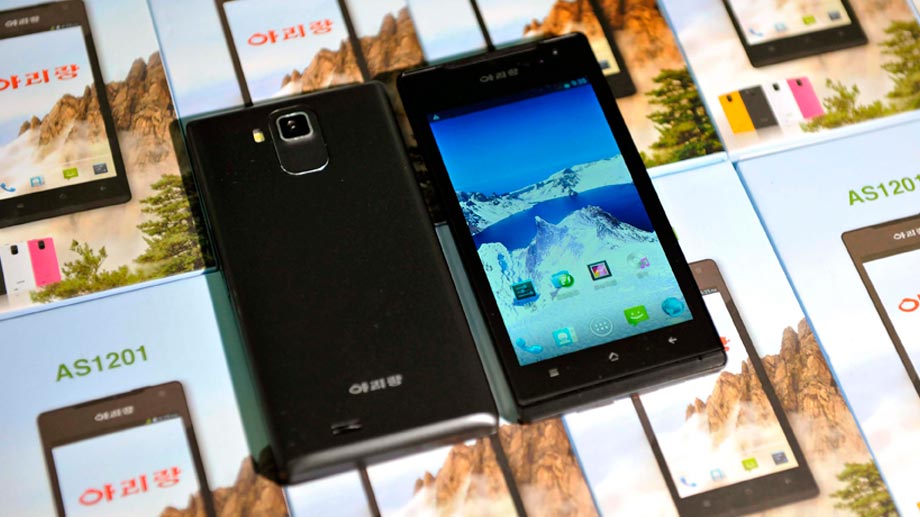
The Democratic People’s Republic of Korea (DPRK) recently marked a significant milestone in its domestic technological aspirations with the unveiling of its first smartphone, the "Arirang." Named after the ancient and deeply cherished folk song that serves as an unofficial anthem for the entire Korean Peninsula, the device represents more than just a step into the digital age for the reclusive nation. It serves as a potent symbol of national identity and a strategic move in the ongoing soft-power competition between North and South Korea. While the device itself has been met with skepticism by international technology analysts, its branding offers a profound window into the socio-cultural fabric of East Asia, where history, music, and modern rivalry are inextricably linked.
The Unveiling of the Arirang AS1201
The introduction of the Arirang smartphone occurred during a highly publicized visit by North Korean leader Kim Jong-un to a manufacturing facility, identified by state media as the "May 11 Factory." Reports from the Korean Central News Agency (KCNA) highlighted the leader’s praise for the "creative ingenuity and patriotic enthusiasm" of the workers. Kim Jong-un reportedly emphasized the importance of mass-producing goods that carry the national brand, asserting that such products inspire pride among the North Korean citizenry.
Technically, the Arirang—specifically the AS1201 model—features a touch-screen interface and a camera with "high pixels," according to state reports. It operates on a version of the Android operating system, though it is heavily modified to comply with the North Korean government’s strict information control policies. Despite the official narrative of domestic production, international observers and tech experts have suggested that the handsets are likely manufactured in China and shipped to Pyongyang for final assembly, software installation, and packaging. This skepticism is rooted in the lack of visible high-tech component manufacturing equipment in the footage released by state media, which primarily showed workers inspecting and testing finished units.
A Chronology of the Song Arirang: From Folk Roots to National Archive
To understand why the North Korean government chose "Arirang" as the name for its flagship technological product, one must look back at the song’s unparalleled position in Korean history. The origins of "Arirang" are shrouded in antiquity, with scholars offering varying estimates of its birth, ranging from the Silla Kingdom (57 BC – 935 AD) to the late Joseon Dynasty in the 19th century.
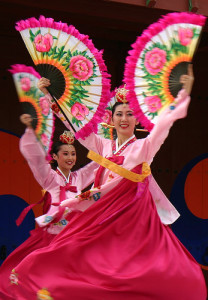
The song is characterized by its simple melody and the recurring refrain, "Arirang, Arirang, Arariyo." Lyrically, it tells the story of a protagonist crossing the "Arirang Pass," often interpreted as a metaphor for overcoming hardship or the sorrow of parting with a lover. Despite its seemingly simple or even "nonsensical" lyrics, the song became a vessel for Korean national consciousness during the most turbulent periods of the 20th century.
The Japanese Colonial Period (1910–1945)
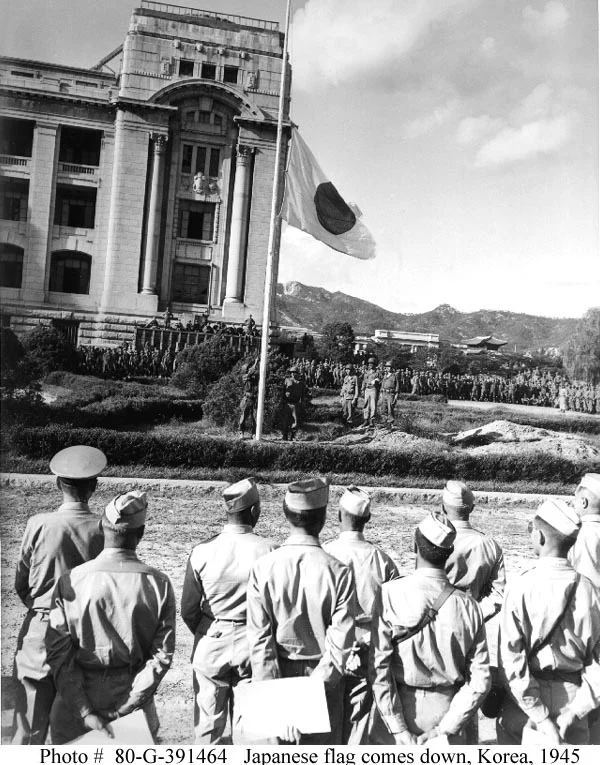
The song’s transition from a local folk tune to a national symbol solidified during the Japanese occupation of Korea. As the Japanese Empire sought to suppress Korean culture and language, "Arirang" became a subtle yet powerful tool of resistance. It allowed Koreans to express a shared sense of melancholy, longing, and identity that transcended regional dialects and social classes. Scholars often describe the song as a "national archive" where the collective emotions and historical traumas of the Korean people have been deposited.
The Division of the Peninsula and the Cold War
Following the liberation of Korea in 1945 and the subsequent division into the North (DPRK) and South (ROK), both nations claimed "Arirang" as their own. In the South, while "Aegukga" (The Song of Love for Country) was adopted as the official national anthem—a grand, brass-heavy composition—"Arirang" remained the song of the people. In 2012, following concerted efforts by the South Korean government, the song was inscribed on UNESCO’s Representative List of the Intangible Cultural Heritage of Humanity, a move that underscored its global cultural significance.
The Arirang Paradox: Cultural Appropriation and Shared Identity
Interestingly, the history of "Arirang" is not confined solely to the Korean people. In 1931, the song became an unexpected pop hit in mainland Japan. During this era, Japanese audiences associated Korean culture with a specific type of sadness or "han" (a uniquely Korean emotion of collective grief and resentment). For the Japanese, the song represented a nostalgic longing for a simpler, pre-industrial past.
This historical irony—where the oppressor finds solace in the culture of the oppressed—highlights the song’s universal aesthetic appeal. In the modern era, this phenomenon continues in different forms. Despite the intense military and political standoff between the two Koreas, cultural elements frequently bypass the Demilitarized Zone (DMZ). Reports indicate that South Korean dramas (K-dramas) and pop music (K-pop) are highly sought after on the black market in North Korea. Conversely, the North’s choice to name its smartphone "Arirang" is an attempt to reclaim a shared cultural heritage and present the North as the true custodian of Korean tradition.

Supporting Data: The Digital Divide and Regional Competition
The launch of the Arirang smartphone must also be viewed through the lens of the intense economic and technological competition in East Asia. While North Korea struggles with international sanctions and limited infrastructure, its neighbors are global leaders in technology.
- The South Korean Tech Giant: Samsung Electronics, headquartered in Suwon, South Korea, is currently the world’s largest smartphone manufacturer. The success of the "Galaxy" brand has become a point of immense national pride for the South, contributing significantly to its "Hallyu" or Korean Wave of cultural exports.
- The Japanese Market: Sony and other Japanese tech firms, while facing stiff competition from Samsung and Apple, remain pivotal players in the global electronics ecosystem.
- North Korea’s Mobile Network: Despite the "hermit kingdom" label, mobile phone usage in the DPRK has grown. The domestic cellular network, Koryolink, was established in 2008 as a joint venture with Egypt’s Orascom Telecom. By the time of the Arirang’s launch, subscribers were estimated to be in the millions, though access to the global internet remains restricted to a tiny elite, with most users relegated to the state-run "Kwangmyong" intranet.
Official Responses and Global Analysis
The North Korean government’s promotion of the Arirang smartphone is a calculated effort to demonstrate self-reliance (Juche). State media emphasized that the phone was built using "indigenous technology," a claim meant to bolster internal morale and project an image of modern advancement to the outside world.
However, international reactions have been largely analytical and skeptical. Technology analysts from organizations such as the BBC and various cybersecurity firms have noted that the "Arirang" likely serves as a dual-purpose tool. While it provides citizens with modern conveniences like a camera and apps, it also provides the state with a centralized platform for surveillance. By controlling the hardware and the operating system, the government can more effectively monitor communications and restrict the flow of "subversive" foreign media.
South Korean officials have generally viewed the development with a mixture of curiosity and caution. While the ROK government champions the preservation of "Arirang" as a cultural treasure, the use of the name for a North Korean propaganda tool is seen as part of the broader ideological struggle for the "soul" of the peninsula.
Broader Impact and Implications
The naming of the Arirang smartphone is a testament to the enduring power of cultural symbols. In a region where geopolitical tensions often reach a fever pitch—evidenced by missile tests, naval skirmishes, and disputes over territories like the Liancourt Rocks (Dokdo/Takeshima)—shared culture remains the only bridge.
The Arirang smartphone represents a convergence of three distinct narratives:
- The Pursuit of Modernity: Even the most isolated nations recognize that digital connectivity is a prerequisite for 21st-century governance and economic activity.
- Nationalist Branding: By tethering a high-tech device to an ancient folk song, the DPRK attempts to legitimize its regime as the defender of Korean heritage against foreign influence.
- The Persistence of Shared Aesthetics: The fact that "Arirang" resonates in the North, the South, and even historically in Japan, suggests that beneath the layers of political ideology and military posturing, there remains a fundamental cultural substrate that is remarkably resilient.
In conclusion, the Arirang smartphone may not rival the latest iPhone or Samsung Galaxy in terms of hardware specifications or global market share. However, as a cultural artifact, it is immensely significant. It reminds the world that even in the midst of a Cold War-era standoff, the power of a simple folk song about a mountain pass continues to shape the identity, politics, and technological aspirations of the Korean people. Whether as a tool of state control or a symbol of national pride, the Arirang phone ensures that the melody of the peninsula’s past remains a central part of its digital future.