The Controversy Surrounding South Korea’s Celebrity Soldier System and the Call for Military Reform
Article Editorial Team
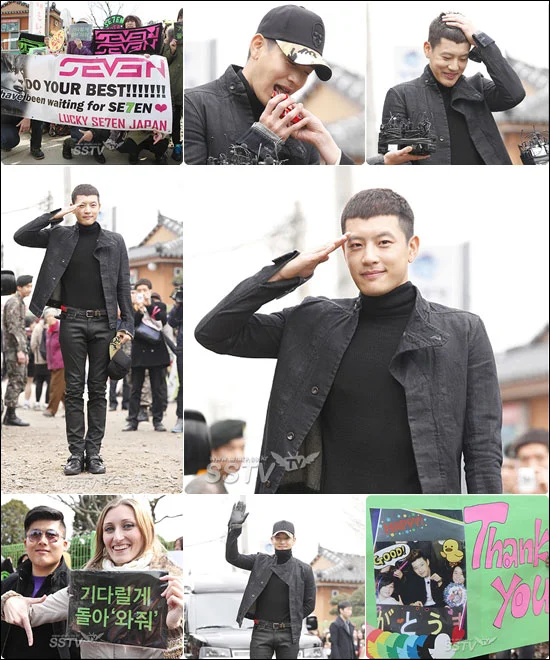
In the Republic of Korea, mandatory military service is considered a foundational pillar of national identity and security, a requirement that nearly all able-bodied men must fulfill. Given that the Korean Peninsula remains technically at war under a 1953 armistice, the transition from civilian life to the armed forces is a rite of passage viewed with profound seriousness by the public. However, the integrity of this system has been brought into question following a series of high-profile scandals involving "celebrity recruits"—public relations soldiers serving under the Defense Media Agency. The recent conduct of prominent figures such as Se7en (Choi Dong-wook) and Sangchu (Lee Sang-chul) of the hip-hop duo Mighty Mouth has not only ignited public fury but has also prompted a systemic re-evaluation of how the Ministry of National Defense manages high-profile conscripts.
The Framework of Mandatory Conscription
South Korean law mandates that all male citizens between the ages of 18 and 28 serve approximately 21 to 24 months in the military, depending on the branch of service. This requirement is born from the necessity of maintaining a standing army of roughly 600,000 personnel to deter potential aggression from North Korea. While exemptions exist for those with debilitating physical or mental health issues, or for athletes who win Olympic medals or Asian Games gold medals, they are exceptionally rare. For the vast majority of the population, military service represents a period of significant personal sacrifice, involving rigorous training, limited communication with the outside world, and a complete absence of the luxuries associated with modern civilian life.
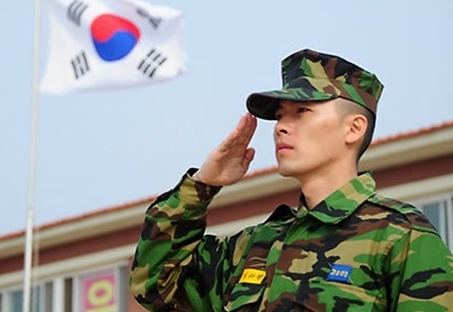
Within this rigid structure, the Defense Media Agency (DMA) was established to utilize the talents of conscripted entertainers. These "celebrity recruits" were tasked with hosting radio programs, performing in musical productions for troops, and participating in promotional films to bolster morale and improve the military’s public image. While the intention was to leverage the "Hallyu" (Korean Wave) phenomenon for nationalistic purposes, the reality of the system created a perceived class divide between the "elite" celebrity soldier and the "ordinary" infantryman.
The Catalyst of the Crisis: The SBS Investigation
The current firestorm reached a breaking point following an investigative report by the SBS program On Site 21. The televised segment documented a series of egregious protocol violations committed by celebrity recruits following a military-sanctioned performance in Chuncheon. According to the report, several recruits, including Se7en and Sangchu, were observed leaving their designated barracks in civilian clothing—a direct violation of military law. They were seen consuming alcohol and using personal mobile phones, devices strictly prohibited for soldiers on active duty during that period.
The most damaging revelation occurred at approximately 4:00 AM, when Se7en and Sangchu were filmed entering a massage parlor known for providing adult services. When confronted by SBS reporters upon exiting the establishment, the soldiers engaged in a physical altercation with the journalists in an attempt to seize their cameras and microphones. This display of perceived entitlement and lawlessness, captured on national television, served as a catalyst for a massive public outcry. The defense offered by the Ministry of National Defense—that the soldiers visited the parlor for "knee therapy"—was widely ridiculed by the public, further damaging the military’s credibility.
A Chronology of Misconduct
The scandal involving Se7en and Sangchu did not occur in a vacuum; it followed a string of incidents that suggested a systemic culture of leniency within the Defense Media Agency.
- January 2013: World-renowned pop star Rain (Jung Ji-hoon) faced disciplinary action after he was photographed meeting his girlfriend, actress Kim Tae-hee, while on official military duty. Rain was found to have worn his military cap improperly and engaged in private meetings during official excursions. Though he received a week of confinement for reflection, the leniency of the punishment sparked the first major wave of modern resentment toward the celebrity recruit system.
- March 2013: Reports surfaced detailing the disproportionate amount of vacation time granted to celebrity soldiers. While the average soldier received approximately 43 days of leave during their entire service, some celebrity recruits were found to have received over 150 days—nearly three times the standard amount.
- June 25, 2013: The On Site 21 report aired, showcasing Se7en and Sangchu’s violations, including the visit to the massage parlor and the subsequent assault on the media.
- July 2013: The Ministry of National Defense launched an intensive audit into the DMA, investigating 15 celebrity recruits for various breaches of military discipline.
Comparative Data and the "Fairness" Doctrine
The primary source of public anger stems from the concept of "fairness," which is a highly sensitive social issue in South Korea. For young men who spend 21 months patrolling the Demilitarized Zone (DMZ) in sub-zero temperatures with minimal rest, the news of celebrity recruits enjoying private rooms, internet access, and frequent nights out in Seoul is viewed as a betrayal of the national contract.

Data released during the 2013 audit revealed a stark disparity in treatment:
- Leave Days: Celebrity recruits were granted an average of 75 days of leave, with the top tier receiving upwards of 120 days. In contrast, regular soldiers earned roughly 45 days.
- Supervision: Unlike regular units, where movements are strictly logged and monitored by NCOs and officers, celebrity recruits often traveled to performances with minimal or no military supervision, allowing them to change into civilian clothes and visit prohibited venues.
- Facilities: Reports indicated that the DMA quarters provided amenities such as gaming consoles, televisions, and civilian wardrobes that were not available to the general conscript population.
Official Responses and Disciplinary Actions
In the wake of the SBS report, the Ministry of National Defense initially attempted to mitigate the damage. Sangchu attempted to take full responsibility, claiming that as the senior soldier, he had led his junior, Se7en, astray. However, the evidence of widespread misconduct made individual apologies insufficient.
Following a two-week internal investigation, the Ministry announced that eight celebrity recruits would face heavy disciplinary measures. Se7en and Sangchu were both sentenced to 10 days in military prison (the "guardhouse") for their unauthorized absence and visit to the massage parlor. Other recruits involved in the incident received lighter sentences for using mobile phones and breaking curfew.
More significantly, the Ministry of Defense acknowledged that the celebrity recruit system was fundamentally flawed. A spokesperson stated that the "PR agent system was aimed at promoting the military and raising the morale of soldiers, but due to the incidents of misconduct, the military’s image has been tarnished, and the morale of ordinary soldiers who serve faithfully has been discouraged."

Broader Impact and the Abolition of the PR Unit
The implications of this scandal extend beyond the careers of the individuals involved. For Se7en, who was previously a top-tier soloist with a clean image and a long-term public relationship with actress Park Han-byul, the incident effectively halted his career momentum and severely damaged his public standing. The backlash highlighted a hard truth for Hallyu stars: while international fame may provide wealth and influence, it does not grant immunity from the social obligations of Korean citizenship.
The most significant outcome of the controversy was the Ministry of National Defense’s decision on July 18, 2013, to officially abolish the celebrity recruit unit. After 16 years of operation, the PR unit was disbanded, and the remaining celebrity soldiers were reassigned to regular frontline or field units to complete their service as ordinary infantrymen. This move was seen as a necessary step to restore public trust and ensure that the "shared sacrifice" of military service remained truly shared.
Analysis of Implications for the Future
The collapse of the celebrity recruit system marks a turning point in the relationship between the South Korean entertainment industry and the state. It has sent a clear message to entertainment agencies that their artists must be prepared to serve without special accommodations. In the years following the 2013 scandal, high-profile stars such as members of BTS, SHINee, and EXO have largely opted for quiet, standard enlistments, often serving in active-duty combat roles or military bands under standard regulations to avoid the "privileged" label.
Furthermore, the incident underscored the power of investigative journalism in South Korea. The On Site 21 report demonstrated that even the Ministry of Defense is subject to public accountability when its internal policies conflict with the values of the citizenry. As South Korea continues to navigate its complex security situation, the demand for transparency and equality in conscription remains a dominant force in the national discourse. The era of the "celebrity soldier" as a distinct, privileged class has effectively ended, replaced by a more stringent expectation that fame does not exempt one from the rigors of the foxhole.
Related News