The global ascent of Korean popular music, known as K-pop, has transitioned from a localized cultural phenomenon into a multi-billion-dollar international industry. At the heart of this expansion is a highly organized, deeply loyal, and structurally complex system of fandoms. Unlike traditional Western music fan bases, K-pop fandoms operate with a degree of sophistication that mirrors corporate organizational structures, influencing everything from global music charts and luxury fashion branding to international political discourse. Understanding the mechanics of these communities requires an analysis of their internal hierarchies, the digital platforms that sustain them, and the socio-economic impact they exert on a global scale.
The Hierarchical Structure of K-pop Fan Communities
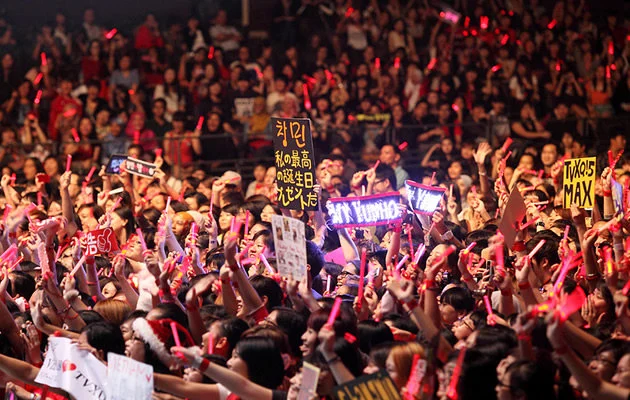
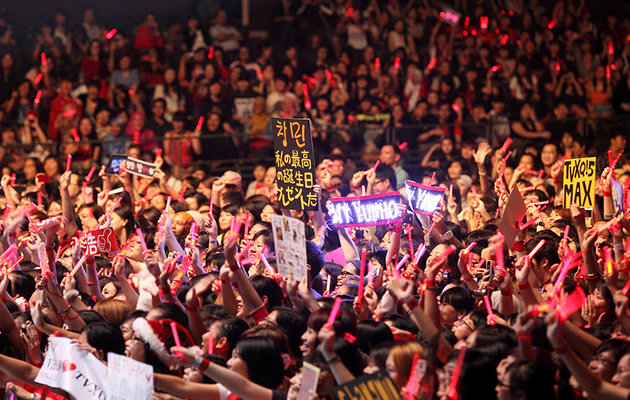
The K-pop fandom experience is defined by a layered system of identification. At the broadest level is the general K-pop fandom, consisting of individuals who consume the genre as a whole. However, the community quickly narrows into specific group-based identities. Each K-pop group is assigned an official fandom name by its management agency—such as "BLINK" for Blackpink, "ARMY" for BTS, or "Shawol" for SHINee. These names serve as a primary identity for fans, often accompanied by official colors and "lightsticks," which are high-tech glow sticks used during concerts to create a unified visual sea of support.
Beneath the group level lies the concept of the "bias," a term referring to a fan’s favorite individual member within a group. This further segmenting leads to sub-fandoms dedicated to individual idols. For example, a member of the SHINee fandom (Shawol) might identify specifically as a "Taemint" if their primary focus is the member Taemin. While these sub-divisions allow for targeted support and community building, they also introduce a layer of internal politics. "Solo stans" focus exclusively on one member, whereas "OT" fans (from the phrase "One True") support the group in its entirety. Conflict often arises when perceived favoritism by an agency leads to friction between these internal factions.
Historical Chronology: From Balloons to Digital Ecosystems
The evolution of K-pop fandom can be categorized into four distinct "generations," each defined by the technology used to organize fans.
- The First Generation (1990s – Early 2000s): Groups like H.O.T. and Shinhwa established the foundation. Fandoms were largely domestic and organized via physical fan clubs. Fans wore colored raincoats and used balloons of specific colors to identify their allegiance during joint concerts.
- The Second Generation (Mid-2000s – Early 2010s): The rise of groups like TVXQ, Girls’ Generation, and BigBang coincided with the early digital age. Official "Fan Cafes" on portals like Daum and Naver became the primary hubs for communication. This era also saw the beginning of international expansion via YouTube and early social media.
- The Third Generation (2012 – 2018): This period marked the true globalization of K-pop, led by BTS and EXO. Social media platforms, particularly Twitter (now X) and Tumblr, became the primary battlegrounds for fandom growth. Digital streaming and coordinated voting on international awards shows became standard practice.
- The Fourth and Fifth Generations (2019 – Present): Current fandoms operate within dedicated "super-apps" like Weverse and Bubble. These platforms facilitate direct, subscription-based communication between idols and fans, effectively monetizing the "parasocial relationship" and providing a centralized space for official merchandise and content.
The Divide Between Domestic and International Fandoms
A significant distinction exists between the "official" fandom experience in South Korea and the "informal" experience abroad. In South Korea, being an "official" fan often involves joining an agency-sanctioned fan cafe. This requires a rigorous verification process, often involving South Korean identification numbers or mobile phone accounts. Membership grants fans priority access to music show recordings, exclusive merchandise, and "fan meetings."

For the international audience, these barriers led to the creation of autonomous fan sites. Historically, these international sites were essential to the genre’s growth, as they provided volunteer-led translation services (fansubbing) and news updates for non-Korean speakers. While official apps like Weverse have bridged this gap by offering multilingual support, international fan-led organizations remain vital. These groups often coordinate large-scale "projects," such as purchasing billboard advertisements for an idol’s birthday or organizing charity drives in the group’s name.
Data-Driven Impact: The Economic Power of Fandoms
The influence of K-pop fandoms is quantifiable through massive economic data. According to the 2023 Year-End Report by Luminate, K-pop has seen a staggering increase in physical album sales at a time when the rest of the global music industry has shifted almost entirely to streaming. In 2023, physical album sales in the U.S. grew significantly, largely driven by K-pop fans who purchase multiple versions of albums to collect "photocards"—collectible cards featuring group members.
In South Korea, the Circle Chart (formerly Gaon) reported that the top 400 K-pop albums sold over 115 million copies in 2023, a record-breaking figure. This "bulk buying" phenomenon is often a coordinated effort by fandoms to ensure their favorite artists rank high on the Billboard 200 or the Hanteo Chart. Furthermore, the "Rice Wreath" tradition demonstrates the philanthropic power of these groups. Instead of sending flowers to concert venues, fans donate tons of rice in the artist’s name to various charities. In 2013 alone, fans of the group G-Dragon donated nearly 10 tons of rice to help feed children and the elderly, a trend that has only expanded in scale since.

Official Responses and Agency Management
K-pop agencies—such as HYBE, SM Entertainment, JYP Entertainment, and YG Entertainment—have evolved their business models to better manage and monetize these fan bases. The shift from third-party platforms like Twitter to proprietary apps like Weverse (owned by HYBE) allows agencies to collect data directly on fan behavior.
Official statements from these agencies frequently acknowledge the power of the fandom. During quarterly earnings calls, executives often cite "fandom engagement metrics" as a primary indicator of a group’s longevity and profitability. However, the relationship is not always harmonious. Agencies have faced "truck protests"—where fans hire trucks with LED screens to circle agency buildings—to demand better treatment of artists, more creative input for members, or changes in management strategy. This indicates that the modern K-pop fan views themselves not just as a consumer, but as a stakeholder in the artist’s career.
Broader Implications and the Future of Fandom
The organized nature of K-pop fandoms has occasionally spilled over into the socio-political arena. In 2020, K-pop fans were credited with mobilizing on social media to support the Black Lives Matter movement, notably matching a $1 million donation made by BTS within 24 hours. They also famously used their organizational skills to flood a political rally registration in the United States, resulting in a significantly lower-than-expected turnout.

However, the intensity of these communities has a darker side. The "sasaeng" culture—obsessive fans who engage in stalking and privacy invasion—remains a persistent issue that agencies struggle to contain. Additionally, "fan wars" (toxic online arguments between rival fandoms) can lead to coordinated harassment campaigns.
Despite these challenges, the K-pop fandom model is being increasingly studied and emulated by Western artists and brands. The transition from passive listening to active participation has redefined the relationship between creator and consumer. As digital platforms continue to evolve, the K-pop fandom is likely to remain at the forefront of digital culture, proving that a dedicated, organized community can be more powerful than traditional marketing alone. For the individual fan, the experience remains a deeply personal one, built on a foundation of emotional connection and a sense of belonging to a global community that transcends linguistic and geographic borders.