The Evolution of Aesthetic Standards and the Plastic Surgery Paradox in South Korean Popular Culture
Article Editorial Team
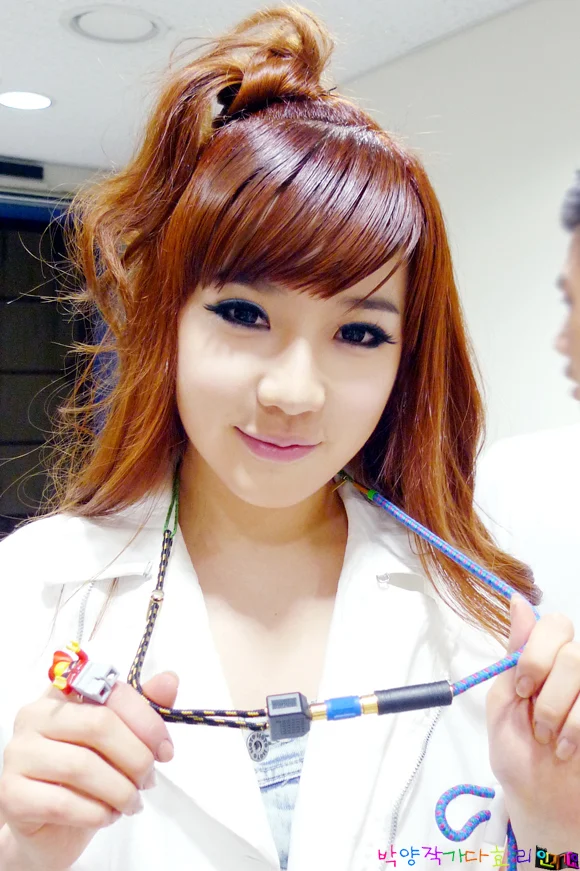
The discourse surrounding aesthetic enhancement in South Korea has transitioned from a whispered private matter to a central pillar of public debate, reflecting a complex intersection of individual autonomy, societal pressure, and the global influence of the Korean Wave. In the dense landscape of the South Korean entertainment industry, few topics generate as much scrutiny or digital engagement as the physical transformations of celebrities. Online search engines such as Naver, Daum, and Google frequently prioritize auto-suggestions linking prominent stars to "before and after" plastic surgery galleries, while digital communities engage in granular analysis of facial symmetry, nasal contours, and eyelid folds. This phenomenon is not merely a byproduct of idle curiosity but is symptomatic of a broader cultural shift where the "manufactured" face has become both a standard of beauty and a point of intense sociological contention.
The Catalyst: Public Advocacy and the Variety Show Debate
The conversation reached a significant inflection point through a public exchange involving the solo vocalist G.NA and comedian Lee Yoon-suk. During a televised discussion, the two public figures represented the diverging poles of the national sentiment regarding cosmetic procedures. Lee Yoon-suk voiced a traditionalist perspective, arguing that his wife undergoing plastic surgery would constitute a "violation of the marriage oath." His stance centered on the idea that aesthetic alteration is an unnecessary deviation from one’s authentic self, particularly when the individual is already valued and loved by their partner.
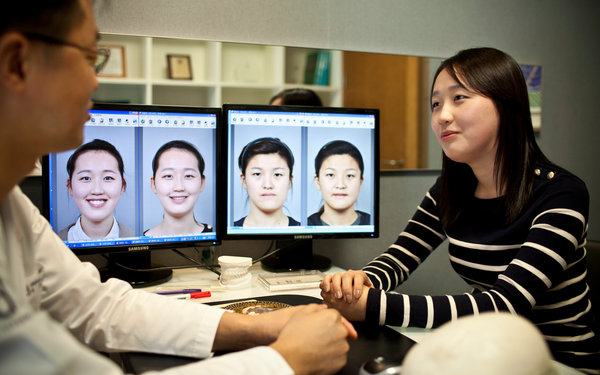
In a rare move for a K-pop idol—a demographic often contractually bound to maintain an image of "natural" perfection or silence regarding their procedures—G.NA offered a robust defense of surgical enhancement. She framed the decision as a matter of "personal satisfaction and happiness," citing her grandfather’s hair transplant as a transformative event that significantly boosted his self-esteem. G.NA’s argument posited that if an individual can alleviate deep-seated insecurities through medical intervention, the resulting psychological benefit justifies the procedure. While the debate concluded with G.NA expressing frustration over what she perceived as a lack of male empathy regarding female beauty standards, the exchange highlighted the growing normalization of surgery as a tool for emotional well-being rather than mere vanity.
The Miss Daegu 2013 Controversy: The "Clone" Phenomenon
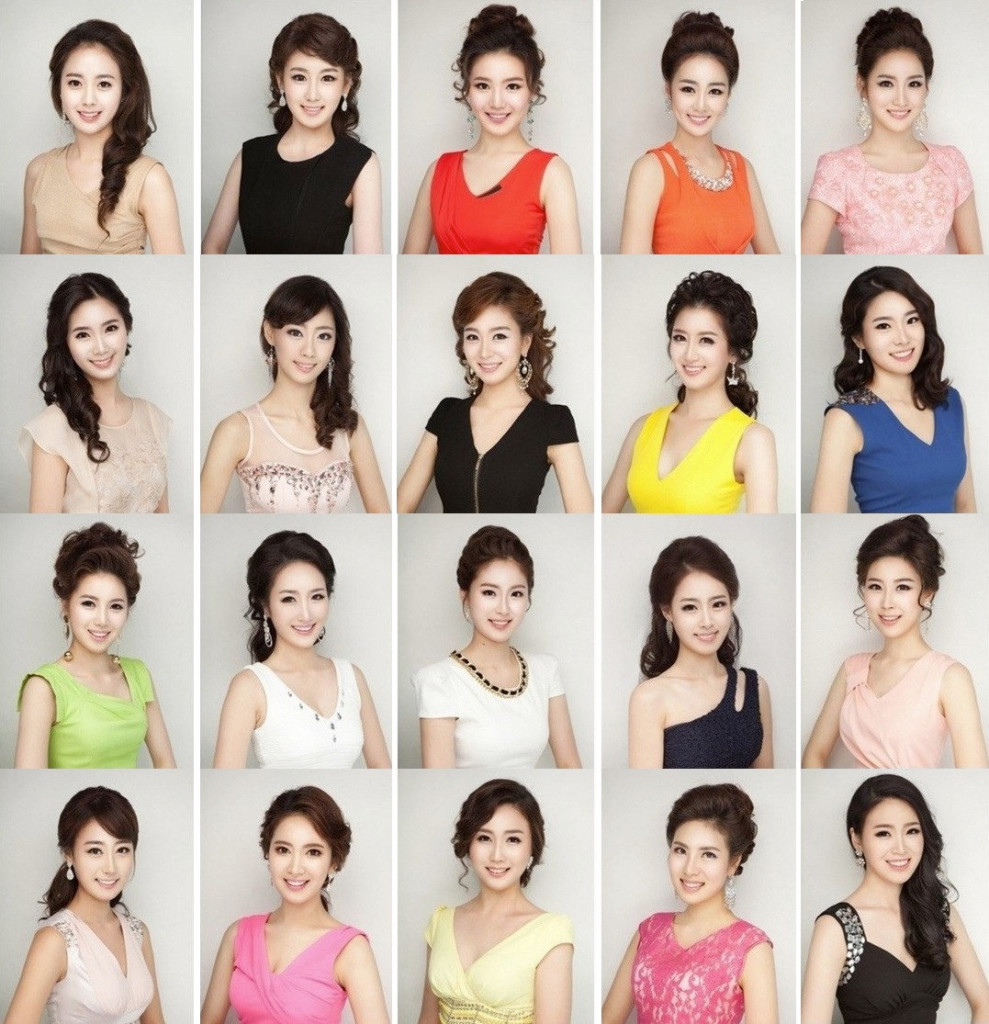
The tension between individual empowerment and societal conformity was further exacerbated in 2013 by the viral dissemination of photos featuring the twenty candidates for the Miss Daegu beauty pageant. The images sparked an international media firestorm, with critics pointing out the uncanny resemblance between the contestants. The women shared nearly identical features: large, almond-shaped eyes with pronounced double eyelids, high and narrow nasal bridges, pale skin tones, and soft, heart-shaped jawlines.
This incident served as a visual manifesto for the "Korean Look," a specific aesthetic ideal that has become the gold standard in Seoul’s plastic surgery clinics. While the contestants were undoubtedly striking, the lack of facial diversity led to accusations that the industry was producing "plastic surgery clones." This controversy raised a fundamental question: if the goal of surgery is "personal satisfaction," why do so many individuals choose to look exactly the same? The Miss Daegu case suggested that the "personal choice" to undergo surgery is often dictated by a narrow, rigid definition of beauty enforced by the media and the pageant industry.

Statistical Context: The Global Capital of Cosmetic Surgery
To understand the scale of this phenomenon, one must look at the data. According to reports from the International Society of Aesthetic Plastic Surgery (ISAPS) around the 2012-2013 period, South Korea consistently ranked as having the highest rate of cosmetic procedures per capita in the world. In Seoul’s affluent Gangnam District, specifically the Apgujeong-dong neighborhood known as the "Beauty Belt," hundreds of clinics operate within a few square miles.
Data indicates that blepharoplasty (double eyelid surgery) and rhinoplasty (nose reshaping) are the most common procedures. However, more invasive surgeries, such as "V-line" jaw reduction—which involves shaving the mandible to create a more feminine, pointed chin—have seen a surge in popularity despite significant medical risks. The ubiquity of the industry is further evidenced by the massive advertising budgets of these clinics, with posters lining subway stations and bus terminals, often featuring "success stories" that promise improved career prospects and romantic success alongside a new face.
The Role of K-pop and the "Natural Beauty" Myth
The K-pop industry plays a dual role in this ecosystem. On one hand, idols are the primary ambassadors of the South Korean aesthetic, exported globally via music videos and dramas. On the other hand, there remains a lingering stigma that requires stars to maintain a facade of "natural" beauty. This creates a paradoxical environment where celebrities are expected to look perfect but are criticized if the "work" behind that perfection is too obvious.

In some cases, stars have faced public backlash for denying procedures only to later admit to them. SISTAR’s Hyorin, for instance, initially claimed she had not undergone surgery, only to later confess to a double eyelid procedure. This pressure to be a "natural beauty" (Ja-yeon-mi-in) versus a "plastic surgery beauty" (Sung-hyeong-mi-in) places an immense psychological burden on performers. When celebrities like Park Bom or G.NA are scrutinized for their changing appearances, it reflects a societal obsession with tracking the "authenticity" of a person’s face, even as the society itself moves toward a more constructed reality.
Economic and Social Drivers: Appearance as "Spec"
In the South Korean job market, the concept of "spec" (short for specifications) refers to the various qualifications a candidate needs to be competitive, such as university prestige, English proficiency scores, and internships. Increasingly, physical appearance has been categorized as a "spec." Many young South Koreans view plastic surgery as a practical investment in their future.
A 2012 survey by a prominent job portal revealed that a significant percentage of hiring managers admitted that a candidate’s appearance influenced their hiring decisions. This economic reality transforms plastic surgery from a luxury or a pursuit of "personal happiness" into a survival strategy. When employment and social mobility are tied to one’s ability to fit a specific aesthetic mold, the "choice" to undergo surgery becomes a form of social compliance.
The Absence of Diverse Representation
A critical factor in the proliferation of a singular beauty standard in South Korea is the relative lack of diverse media voices. In Western media markets, while beauty standards remain narrow, there is a visible, albeit imperfect, movement toward body positivity and the celebration of non-traditional features. Figures such as Tina Fey or Lena Dunham have built careers on subverting traditional glamour, often using their platforms to critique the "laundry list" of attributes women are expected to possess.
In contrast, South Korean media often relegates those who do not fit the "ideal" to specific, often self-deprecating roles. Comedians like Kim Shin-young or Jung Ju-ri are frequently the subjects of humor based on their "unattractive" appearances. This binary—where one is either a surgically enhanced "ideal" or a comedic "outlier"—leaves little room for the celebration of natural, diverse beauty. The media’s glorification of the manufactured ideal creates a feedback loop: the media promotes a look, the public seeks it out at clinics, and the clinics, in turn, sponsor the media to maintain the standard.
Implications and the Future of the Beauty Industry
The implications of South Korea’s plastic surgery culture are far-reaching. While the industry has turned Seoul into a global hub for medical tourism, attracting thousands of patients from China, Japan, and the West, it has also sparked a national conversation about identity and the loss of traditional Korean features.
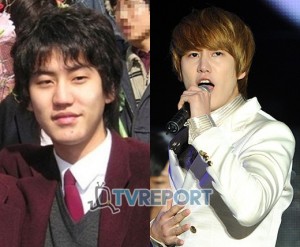
There are signs of a burgeoning counter-movement. In recent years, some celebrities and influencers have begun to advocate for a more "natural" look, and there has been a slight shift in the industry toward "minimal intervention" rather than radical transformation. However, as long as the societal structures—ranging from pageant boards to corporate hiring practices—continue to reward a singular aesthetic, the pressure to conform will remain.
The debate sparked by G.NA and the Miss Daegu contestants serves as a microcosm of a nation grappling with its rapid modernization. Plastic surgery in South Korea is no longer just a medical procedure; it is a complex social ritual that balances the desire for individual self-improvement against the crushing weight of collective expectation. Until the media and the public can foster a more inclusive definition of what it means to be "beautiful," the "beauty belt" of Apgujeong will likely continue to thrive, producing the "unique special snowflakes" that society has demanded.
Related News