The Evolution of Critical Fandom and the Role of Digital Media in Shaping Global Perceptions of the Hallyu Wave
Article Editorial Team

The global expansion of the Hallyu Wave, or the Korean Wave, has fundamentally altered the landscape of international pop culture, necessitating a shift in how audiences consume and critique media originating from the South Korean entertainment industry. As K-pop transitioned from a niche regional interest to a worldwide digital phenomenon in the early 2010s, the role of independent media outlets became pivotal in bridging the gap between idol-centric promotional content and the critical expectations of a diverse global audience. This evolution is perhaps best illustrated by the internal transformations of those who document the industry, where the line between "fan" and "analyst" has become increasingly blurred, leading to a more sophisticated, albeit detached, form of cultural participation.
The Rise of Critical K-Pop Journalism
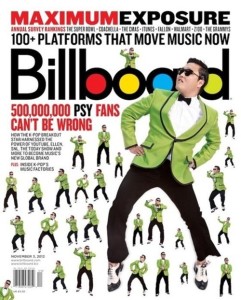
In the years following the viral success of Psy’s "Gangnam Style" in 2012, the international K-pop community faced a crossroads. While traditional fandom activities—often referred to as "stanning"—remained centered on unwavering support for specific artists, a new tier of critical journalism emerged. Outlets such as Seoulbeats provided a platform for writers and readers to move beyond the "polished sheen" of the idol industry to examine the sociological, economic, and cultural underpinnings of South Korean entertainment.

For many contributors within this space, the transition from being a passive consumer to an active critic resulted in a significant shift in their relationship with the music. This phenomenon is characterized by a "fervor" that often dissipates as analytical rigor takes hold. Journalists in the field frequently report a sense of detachment from specific fandoms, not out of a lack of interest, but as a byproduct of constant exposure to the industry’s mechanics. When a participant is tasked with viewing the Hallyu Wave through a critical lens, the emotional immersion required for traditional fandom often gives way to a more objective, logical perspective.
The 2013 Hallyu Landscape: A Chronological Context
To understand the impact of critical media on the Hallyu Wave, one must look at the state of the industry during the 2012–2013 period, a pivotal era for global K-pop expansion.
- Late 2012: The unprecedented success of "Gangnam Style" forced Western media to acknowledge K-pop as a legitimate commercial force. This period saw a surge in international interest, leading to the first major wave of "Hallyu 2.0," characterized by digital-first consumption via platforms like YouTube.
- Early 2013: Major labels like SM Entertainment, YG Entertainment, and JYP Entertainment began prioritizing international digital sales and tours. Groups such as Girls’ Generation and 2NE1 made significant inroads into the North American market, while the debut of third-generation groups like EXO signaled a shift toward more complex, multi-member team structures.
- Mid-2013: The industry faced growing scrutiny regarding the "Idol Code"—the strict behavioral and dating standards imposed on artists. This period saw the rise of investigative and editorial content that questioned the ethics of the trainee system and the lack of corporate transparency within the "Big Three" agencies.
- Late 2013: The maturation of the international fandom led to the creation of sophisticated digital communities. These spaces, such as the Seoulbeats "campfire," became hubs for cross-cultural dialogue, where fans from the West reconciled their own cultural standards with those of South Korea.
Analytical Perspectives: From Passive Consumption to Objective Critique
The shift toward critical consumption has yielded several key insights into the nature of modern fandom. According to industry observers and media contributors, the process of writing about K-pop forces an acknowledgment of the industry’s staggering volume of content. The South Korean music industry is unique in its "vigilant watch for new material," producing a sheer quantity of creative output that few other global markets can match. This high volume necessitates a "sifting" process, where critics must wade through mediocre releases to identify truly innovative works.
This constant exposure has two primary effects on the consumer. First, it raises the standard of performance. Fans who are exposed to a "universally decent standard of dancing and singing" through weekly music shows become more discerning, eventually ignoring mediocre acts in favor of those with genuine stage charisma and superior composition. Second, it fosters an appreciation for the business aspect of the music. The corporate layer of K-pop, often shrouded in a lack of transparency, becomes a "mystery to ponder," leading fans to take a greater interest in the economic health and strategic moves of entertainment agencies.
The Role of Socio-Cultural Reflection
One of the most profound impacts of critical K-pop media is its ability to serve as a mirror for the reader’s own society. By analyzing the functional aspects of the South Korean system—such as its approach to labor, gender roles, and beauty standards—international fans are often prompted to re-evaluate their own cultural norms. This "disillusioning" process is a hallmark of mature media consumption, where the "dark side" of an industry is not merely criticized but used as a basis for broader sociological inquiry.
For instance, the "Idol Code" and the "dating conundrum" frequently discussed in K-pop circles highlight the friction between Western individualism and East Asian collectivist values. Critical media outlets provide a space to explore these tensions without imposing Western standards as an absolute moral authority, instead fostering a more nuanced understanding of "how they roll" in a different cultural context.

Supporting Data: The Economic and Digital Footprint of Hallyu
The necessity for critical media is underscored by the rapid growth of the industry during the early 2010s. According to data from the Korea Creative Content Agency (KOCCA), the export value of South Korean music grew significantly between 2011 and 2013.
- Export Growth: In 2012, South Korean music exports reached approximately $235 million, a nearly 20% increase from the previous year.
- Digital Dominance: By 2013, K-pop had become one of the most-searched genres on YouTube, with international views accounting for over 90% of the total viewership for top-tier groups.
- Market Diversification: While Japan remained the largest export market, the share of revenue from Southeast Asia and North America began to climb, necessitating media that could cater to English-speaking audiences with varying levels of familiarity with Korean culture.
This data suggests that the Hallyu Wave was not merely a fad but a structural shift in global media consumption, one that required a dedicated press corps to interpret and critique its rapid evolution.
Official Responses and Netizen Influence
The interaction between media outlets and the "netizen" community—the highly active and often volatile online fanbases—remains a defining feature of the K-pop experience. Writers for critical sites frequently report a "downright fury" in the comments sections when critiques are directed at popular idols. This "netizen culture" acts as a form of feedback loop, where the opinions of journalists and the reactions of the fandom create a dynamic, albeit sometimes hostile, discourse.

While entertainment agencies rarely respond directly to independent international media, the shift in tone among global fans has influenced how these companies manage their public relations. The demand for more "humanized" idols and the pushback against overly restrictive contracts can be traced, in part, to the critical narratives popularized by English-language K-pop sites.
Broader Impact and Implications
The evolution of sites like Seoulbeats from fan blogs to respected critical platforms reflects a broader trend in digital media: the professionalization of the "prosumer." Today’s K-pop fan is often a highly informed participant who values logic and critical thinking as much as entertainment. This shift has several long-term implications for the Hallyu Wave:
- Sustainability: By moving away from "propaganda" and toward honest critique, the industry gains a more sustainable, long-term audience that is not dependent on the hype of a single viral hit.
- Cultural Literacy: The Hallyu Wave has become a primary vehicle for cross-cultural education. Critical media facilitates this by providing context on Korean history, language, and social norms.
- Industry Reform: Continued scrutiny of the "dark side" of K-pop—including mental health issues, "slave contracts," and the pressures of the trainee system—pressures the industry to adopt more ethical practices as it seeks to maintain its global standing.
In conclusion, the impact of critical media on the Hallyu Wave is profound. It has transformed the fan experience from a solitary, emotional activity into a collective, intellectual pursuit. While some may argue that this detachment "kills the magic" of the idol industry, the reality is that it creates a more resilient and sophisticated global culture. As the Hallyu Wave continues to move into the mainstream, the role of the critical observer will remain essential in navigating the complex intersection of art, commerce, and culture.
Related News