The Evolution of Fandom Analyzing the Psychological and Behavioral Stages of the K-pop Fan Experience
Article Editorial Team

The global expansion of the Korean Wave, or Hallyu, has transformed K-pop from a domestic musical genre into a multi-billion-dollar international phenomenon. Central to this growth is a unique and highly structured fandom culture that differs significantly from Western music consumption. The journey of a K-pop fan is rarely a linear progression of casual listening; instead, it often follows a predictable lifecycle characterized by intense psychological attachment, significant time investment, and a complex series of behavioral shifts. By analyzing the stages of fandom—from initial exposure to long-term integration—industry analysts and sociologists can better understand the mechanics of consumer loyalty in the digital age.
Phase One: The Introductory Stage and Cultural Collision
The first encounter with K-pop is often marked by a sense of "sensory overload." For many individuals outside of East Asia, the aesthetic and structural elements of the genre represent a radical departure from local musical norms. This introductory stage is frequently characterized by confusion or even resistance. The visual complexity of music videos, which often feature high-budget "neon box" sets, synchronized choreography, and avant-garde fashion, can be overwhelming.
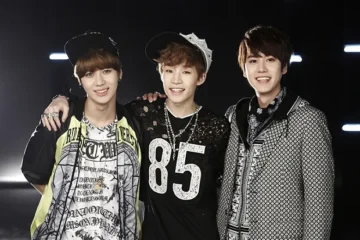
From a journalistic perspective, this stage represents the "barrier to entry" that K-pop has successfully lowered over the last decade. Historically, Western audiences were often put off by the "manufactured" perception of idol groups. However, as the genre has diversified, the initial shock has transitioned into curiosity. Newcomers may initially dismiss the genre as "gimmicky," a sentiment often echoed when comparing new groups to established ones. For instance, when BTS first gained international traction, early observers frequently compared them to B.A.P, often viewing the newer group through a lens of skepticism before acknowledging their unique artistic identity.
Phase Two: The Investigative Stage and the Role of Digital Algorithms
The second stage of the fandom lifecycle is the investigative phase, which is heavily facilitated by social media algorithms. A single search for a song like Girls’ Generation’s "I Got a Boy" or SHINee’s "Ring Ding Dong" can trigger a cascade of recommendations on platforms like YouTube and TikTok.
During this phase, the consumer moves from passive observation to active research. The investigative stage is critical for the K-pop industry because it transitions a casual listener into a potential "super-fan." The discovery that a group’s discography contains depth beyond their primary singles—incorporating genres such as R&B, hip-hop, and synth-pop—often surprises the investigator. This stage usually lasts from a few days to several weeks, during which the individual "wastes" hours browsing variety show appearances, behind-the-scenes content, and dance practice videos.

Phase Three: The Obsessive Stage and Parasocial Dynamics
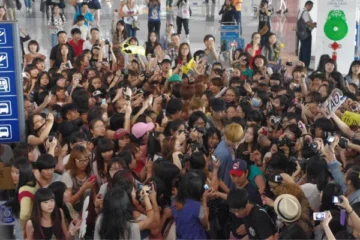
The most intense period of the lifecycle is the obsessive stage. This is where the psychological concept of the "parasocial relationship" becomes most evident. Fans begin to distinguish between individual members, selecting a "bias" (a favorite member) and a "bias wrecker" (a member who challenges that preference).
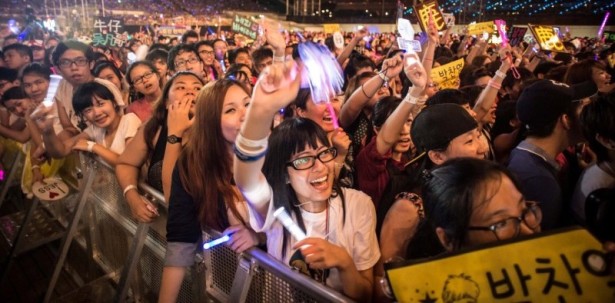
Data from the 2022 Twitter (now X) data report showed that K-pop generated over 7.8 billion tweets globally in a single year, a testament to the level of engagement during this stage. Fans in the obsessive phase often put their personal lives on hold to follow "comeback" schedules, livestream events, and award show voting. This stage is also marked by a significant financial commitment. According to market research by Luminate, K-pop fans are 75% more likely than the average music listener to purchase physical albums, often buying multiple copies to collect randomized "photocards" of their favorite members.
Phase Four: The Denial Stage and Social Insulation
As the obsession deepens, fans often enter a stage of denial regarding the amount of time and resources they are dedicating to the fandom. When friends or family members point out the perceived imbalance in their lives, the fan may become defensive. This stage is characterized by a "siege mentality," where the fan feels that only fellow members of the fandom truly understand their passion.

The denial stage is reinforced by the "always-on" nature of K-pop content. With agencies like SM Entertainment, YG Entertainment, and HYBE providing constant updates via dedicated apps like Weverse or Bubble, there is no natural "off-switch" for the consumer. The fan continues to consume content—listening to the same tracks hundreds of times—while insisting that their behavior remains within the realm of "casual interest."
Phase Five: The Acknowledgement of Fandom Burnout
Eventually, the intensity of the obsessive stage leads to a "slump" or burnout. The acknowledgement stage occurs when the fan can no longer ignore the external consequences of their obsession, such as academic decline, workplace fatigue, or strained social relationships.
This realization often coincides with internal fandom conflicts, commonly referred to as "fan wars," or disappointing news regarding an idol, such as a dating scandal or a contract dispute. These events force the fan to confront the reality that their emotional well-being has become overly dependent on the actions of individuals they do not personally know. At this point, many fans announce a "semi-hiatus" from social media, attempting to reclaim their "normal life."

Phase Six: Rehabilitation and the Digital Detox
The rehabilitation stage is a period of forced or voluntary distancing. During this time, the individual attempts to return to a standard routine. They may stop checking Twitter updates, avoid late-night livestreams, and return to the music they enjoyed before their K-pop "immersion."
In this stage, the fan regains the ability to engage in conversations that do not revolve around K-pop. They may find themselves observing the industry from a distance, noting G-Dragon’s newest hair color or a new group’s debut without feeling the immediate need to join the conversation. This stage is essential for long-term psychological health, as it allows the individual to de-escalate the parasocial intensity.
Phase Seven: The Relapse and the Power of Nostalgia
Total withdrawal from K-pop is difficult due to the genre’s high production value and the emotional bonds formed during the obsessive stage. The relapse stage often occurs when a favorite group announces a major comeback or wins a prestigious "Daesang" (Grand Prize) at an award show.

The guilt of missing a significant milestone—such as a group’s anniversary or a record-breaking achievement—can pull a former fan back into the fold. This return is often more intense than the initial obsession, as the fan attempts to "make up for lost time." However, this stage also serves as a crossroads, leading to one of two final outcomes.
The Final Trajectory: Balance or Renouncement
The lifecycle of a K-pop fan generally concludes in one of two ways:
- The Balanced Stage: The fan achieves a "middle path." They continue to enjoy the music and follow their favorite groups but within strictly defined boundaries. They no longer sacrifice sleep for livestreams or financial stability for merchandise. They have integrated K-pop into their life as a healthy hobby rather than a consuming identity.
- The Renouncement: Some fans find that they have naturally outgrown the genre. This often occurs as life priorities shift—such as entering the workforce or starting a family. In other cases, the "magic" is lost due to a favorite member leaving a group or a general disillusionment with the industry’s commercial nature.
Broader Impact and Industry Implications
The existence of these stages has profound implications for the global music industry. K-pop agencies have mastered the art of moving consumers through these phases to maximize "Life Time Value" (LTV). By creating a constant stream of content, they ensure that the "Investigative" and "Obsessive" stages are as long as possible.

Furthermore, the "Relapse" stage highlights the immense power of nostalgia in the K-pop market. This has led to the successful "re-debut" of older groups and the continued profitability of first- and second-generation idols like Shinhwa or Super Junior.
Chronology of K-pop Fandom Evolution
- 1990s (1st Generation): Fandom was localized in Korea; physical fan clubs were the primary structure.
- 2000s (2nd Generation): Expansion into Japan and China; the rise of digital forums and early social media.
- 2010s (3rd Generation): Global explosion via YouTube and Twitter; the era of the "Global Super-fan."
- 2020s (4th & 5th Generation): Integration of AI, metaverses, and direct-to-fan communication apps (Weverse/Bubble).
In conclusion, the journey of a K-pop fan is a testament to the genre’s ability to create deep, albeit complex, emotional connections. While the "obsessive" stages present challenges regarding life balance, the eventual transition to a "balanced" fandom or a fond "renouncement" suggests that the K-pop experience, for most, remains a significant and positive cultural touchstone. As the industry continues to evolve, understanding these behavioral stages will remain crucial for both the agencies producing the content and the millions of fans consuming it worldwide.
Related News