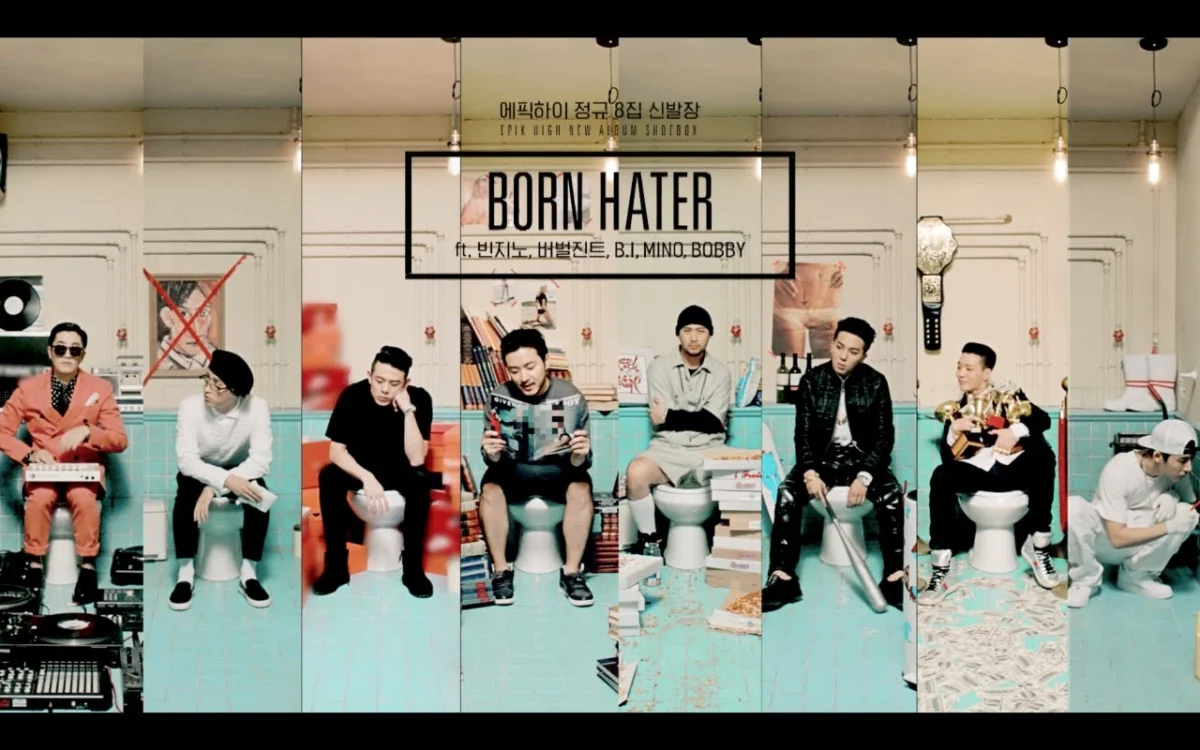
The global proliferation of Korean popular music, commonly known as K-pop, has transformed the genre from a regional cultural product into a multi-billion-dollar international phenomenon. However, as the "Hallyu" or Korean Wave continues to expand, it has brought to the forefront a complex digital landscape characterized by intense fan loyalty and, conversely, virulent online hostility. The distinction between constructive criticism and destructive "hating" has become a central point of debate within the industry, as entertainment agencies, idols, and fans grapple with the psychological and professional consequences of online vitriol. Understanding the nuances of this discourse is essential for maintaining a sustainable ecosystem where artistic growth and consumer engagement can coexist without the detrimental effects of cyberbullying.
The Taxonomy of Online Criticism in the K-pop Sphere
In the digital age, the line between an opinion and an attack is frequently blurred. Within the K-pop community, "hating" is defined as the dissemination of malicious, unsubstantiated, or irrelevant insults directed at idols, groups, or fellow fans. This behavior often manifests as "dogpiling," where a large volume of users targets a single individual, creating an environment of systemic harassment. Conversely, constructive criticism is characterized by its focus on specific performance metrics—such as vocal stability, choreography execution, or acting range—with the intent of offering feedback that could lead to professional improvement.
The shift toward a more critical but respectful discourse requires a fundamental understanding of several key principles. First, the maintenance of objectivity is paramount. Effective discourse necessitates that comments remain focused on the subject matter at hand. For instance, when debating an idol’s performance in a television drama, personal attacks regarding their physical appearance or private life are logically fallacious and serve only to derail the conversation. Professionalism in fan spaces dictates that arguments remain impersonal, as attacking a person’s character does not validate a critique of their professional output.
Furthermore, the utility of criticism is a deciding factor in its value. Constructive feedback aims to be helpful, offering suggestions for improvement rather than mere condemnation. In a professional journalistic or analytical context, a critique that identifies a flaw should ideally propose a path toward rectification. This approach fosters an environment of growth, whereas "hating" serves only to destroy confidence and reputation without offering a constructive alternative.

The Psychological and Sociological Drivers of Fandom Toxicity
The intensity of K-pop fandom is often attributed to the "parasocial relationship," a psychological phenomenon where fans develop a one-sided sense of intimacy with idols. While these connections drive the commercial success of the industry, they also create a volatile environment where fans feel a deep personal stake in an idol’s every move. This emotional investment can lead to "gatekeeping" or aggressive defense of a favorite artist, which often translates into hostility toward perceived rivals or critics.
Anonymity on social media platforms further exacerbates this issue. The lack of face-to-face accountability allows for a disinhibition effect, where individuals feel emboldened to use language or make threats they would never consider in a physical setting. Data from various digital safety organizations suggest that the K-pop community is one of the most active online demographics, but also one of the most susceptible to organized harassment campaigns.
Chronology of the Industry’s Response to Malicious Comments
The history of K-pop is marked by a shift in how agencies handle online toxicity. In the early 2000s, during the "first generation" of K-pop, anti-fans were known for physical acts of hostility, including sending threatening letters or contaminated food. As the industry moved into the digital-dominant third and fourth generations, the battlefield shifted to the internet.
- Early 2010s: Agencies largely ignored online comments, viewing them as an unavoidable byproduct of fame.
- 2015-2017: The rise of international social media (Twitter/X, Instagram) led to a surge in global fan wars. Agencies began issuing occasional statements warning against "rumor-mongering."
- 2019-Present: Following several high-profile tragedies involving idols who suffered from severe mental health issues exacerbated by cyberbullying, the industry underwent a paradigm shift. Major labels like HYBE, SM Entertainment, and JYP Entertainment established dedicated legal teams to monitor and prosecute "akple" (malicious commenters).
This chronological progression demonstrates an increasing recognition of the real-world harm caused by digital vitriol. The industry has moved from a passive stance to an active, litigious approach to protect the well-being of its artists.
Legal Frameworks and the Impact of South Korean Defamation Law
South Korea maintains some of the world’s most stringent laws regarding online defamation. Under the Act on Promotion of Information and Communications Network Utilization and Information Protection, individuals can be prosecuted for posting "malicious comments," even if the statements made are factually true. If the comments are proven to be false and made with the intent to defame, the legal penalties are significantly higher, including substantial fines and potential imprisonment.

In recent years, entertainment agencies have leveraged these laws to protect their rosters. For example, in 2023, several agencies reported that they had filed hundreds of criminal complaints against individuals for persistent harassment and the spread of false information. These legal actions serve as a deterrent and signal a zero-tolerance policy toward behavior that crosses the line from criticism into criminal harassment.
The Critical Boundary: Proportionality and Ethical Standards
One of the most significant challenges in modern fandom is maintaining perspective. In an era of viral trends, minor incidents are often amplified into major scandals. This lack of proportionality can lead to "cancel culture," where an idol’s career is jeopardized over a single misinterpreted remark or a minor mistake. Maintaining perspective involves recognizing that idols, despite their public-facing roles, are human beings prone to error.
The most severe violation of ethical standards in the community is the issuance of death threats. Regardless of the perceived offense committed by an idol or a fellow fan, wishing physical harm or death is never a justifiable response. The industry has seen a disturbing rise in such threats, often leading to the cancellation of events or increased security measures, which places an enormous financial and emotional burden on all parties involved.
Strategies for Cultivating a Healthy Digital Ecosystem
To combat the rise of toxicity, many fan organizations and industry experts advocate for a "be the bigger person" approach. This strategy involves several key actions:
- De-escalation: Refraining from engaging with "trolls" or "haters" to prevent the escalation of conflict.
- Media Literacy: Educating fans on how to identify misinformation and how to voice concerns without resorting to harassment.
- Reporting Mechanisms: Utilizing platform tools to report abusive behavior rather than retaliating with further abuse.
- Positive Reinforcement: Shifting the focus toward "fandom activism," such as charity drives and community projects, which redirect the energy of the fan base toward productive goals.
Broader Implications for the Global Music Industry
The issues faced by the K-pop community are a microcosm of the challenges facing the global entertainment industry. As social media continues to serve as the primary bridge between artists and audiences, the need for a standardized "code of conduct" for digital engagement becomes increasingly apparent. The K-pop industry’s aggressive legal stance and the ongoing internal dialogue about fan ethics are being watched by entertainment sectors worldwide as a potential blueprint for managing digital toxicity.

The economic implications are also noteworthy. An idol’s brand value is directly tied to their public image. Destructive "hating" campaigns can lead to the loss of endorsement deals, decreased album sales, and a drop in the stock prices of parent companies. Therefore, maintaining a civil and constructive fan environment is not only a moral imperative but a financial necessity for the continued growth of the Korean Wave.
In conclusion, while the passion of K-pop fans is a driving force behind the genre’s unprecedented success, it must be tempered with responsibility. The distinction between a hater and a critic lies in the intent and the delivery of the message. By prioritizing objectivity, helpfulness, and basic human decency, the K-pop community can ensure that it remains a source of entertainment and inspiration rather than a breeding ground for hostility. As the industry evolves, the hope is that the culture of "hating" will be replaced by a more mature, analytical, and ultimately more rewarding form of engagement.