The Evolution of K-pop Fandom as a Global Social Movement and the Complexities of Digital Collectivism
Article Editorial Team
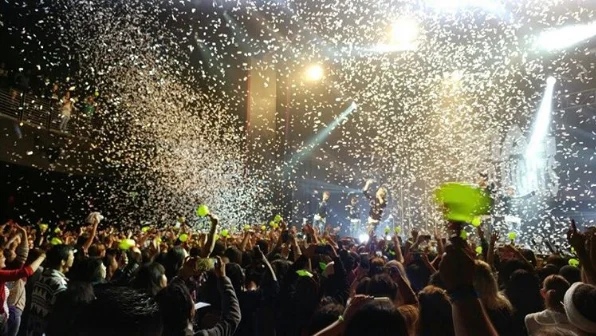
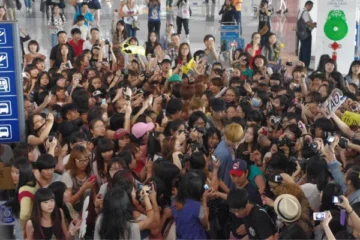
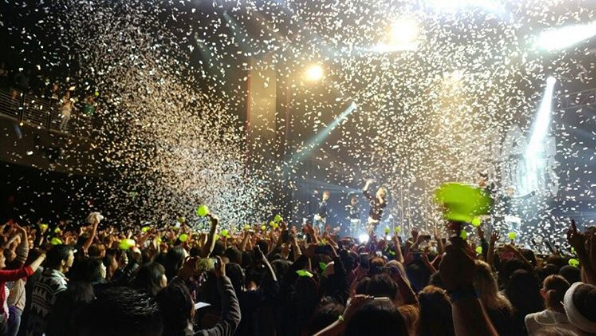
The rise of fandom from a niche subculture to a formidable global social movement represents one of the most significant shifts in contemporary celebrity culture. In the modern era, major figures across music, gaming, and digital influence have cultivated vast, organized fan bases that transcend traditional demographic boundaries. These groups, often unified under a singular "fandom name," operate with a primary objective: the unwavering support and promotion of their chosen celebrity. In the context of K-pop, this phenomenon has reached a level of sophistication and scale that rivals traditional political and social organizations, leveraging the tools of globalization and social media to exert influence far beyond the realm of entertainment.
The Intersection of Globalization and Cultural Influence
The rapid expansion of K-pop is inextricably linked to the broader processes of globalization—the exchange of ideas, cultural ideals, and economic capital across international borders. As physical borders become increasingly porous in the digital age, South Korea has emerged as a powerhouse of "soft power." This cultural diplomacy is evidenced not only by the music industry but also by the critical and commercial success of Korean cinema, such as the historic Academy Award wins for Parasite (2020) and Youn Yuh-jung’s Best Supporting Actress win for Minari (2021).
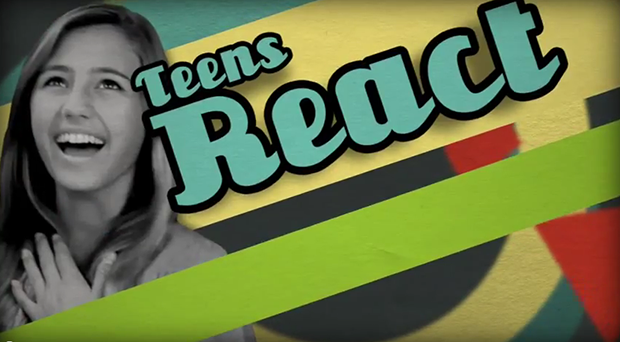
Korean marketing strategies have historically leveraged this globalization by creating content designed for maximum shareability. A notable example is the "reaction video" genre, where creators analyze K-pop music videos for their visual and musical complexity. Channels such as ReacttotheK have built entire platforms by bridging the gap between classical music theory and pop performance, illustrating how K-pop reaches diverse academic and social spheres. This feedback loop of global interest ensures that the genre remains a permanent fixture in Western media, with major publications like Vogue, Refinery29, and Seventeen providing consistent coverage to meet the demands of an international audience.
Defining Fandom as a Social Movement
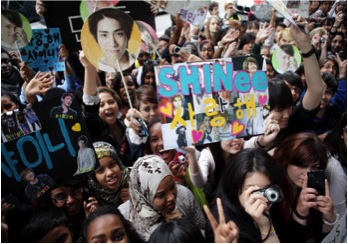
Sociologically, a social movement is defined as a form of collective action involving networks of individuals and groups working toward a common goal based on a shared identity. K-pop fandoms—such as BTS’s ARMY, Stray Kids’ STAY, or BLACKPINK’s BLINK—perfectly encapsulate this definition. These communities span across various races, ages, sexualities, and geographic locations, yet they move with a singular purpose.
The efficiency of these groups is largely attributed to the cultural concept of collectivism. Unlike the individualistic tendencies often found in Western fan cultures, K-pop fandoms often mirror the societal structures of East Asia, which prioritize the well-being and reputation of the community or the central figure over the individual. This collectivist approach allows for the synthesis of millions of individual efforts into a unified force capable of manipulating digital algorithms, breaking sales records, and, increasingly, influencing social justice initiatives.
Chronology of Fandom Activism: 2020 as a Turning Point
The year 2020 served as a catalyst for K-pop fandoms to demonstrate their capacity for organized social and political action. While fans had long participated in charitable drives for idol birthdays, the scale of their involvement in global movements reached an unprecedented peak during this period.
June 4, 2020: In the wake of the Black Lives Matter (BLM) protests in the United States, BTS and their label, Big Hit Entertainment (now HYBE), announced a $1 million donation to the movement. This act of corporate and artist philanthropy served as a call to action for their global fan base.
June 5–7, 2020: Within minutes of the announcement, the fan-led organization One in an ARMY launched the #MatchItALongsideBTS and #MatchAMillion campaigns. In just 24 hours, over 35,000 individual donors contributed to the cause. By June 7, the fandom had successfully matched the $1 million donation, proving that fan organizations could function with the speed and efficiency of professional non-profits.
June 2020 (The Tulsa Rally): K-pop fans were credited with disrupting a high-profile political rally for then-President Donald Trump in Tulsa, Oklahoma. Through a coordinated effort on platforms like TikTok and Twitter, thousands of fans registered for free tickets to the event with no intention of attending. The result was a significantly lower-than-expected turnout, with officials reporting approximately 6,200 attendees in a venue designed for 19,000. While the direct causal link remains a subject of debate among political analysts, the event highlighted the potential for fandoms to engage in digital "pranksterism" as a form of political protest.
Anti-Racism Efforts: During the same period, K-pop fans successfully hijacked various white supremacist hashtags, such as #WhiteLivesMatter and #BlueLivesMatter. By flooding these tags with "fancams" (short videos of idols performing), fans effectively drowned out racist rhetoric and rendered the hashtags useless for their original intended purposes.
The Paradox of Power: Protectionism vs. Activism
While the positive impacts of fandom-led movements are well-documented, the same mechanisms used for social good can be weaponized to silence dissent. This creates a complex paradox where the goal of "protecting the idol" often supersedes the goal of social justice.

One of the most prevalent practices in this regard is "clearing the searches." When an idol is involved in a controversy—ranging from dating rumors to more serious allegations like cultural appropriation or bullying—fans will coordinate to flood search engines and social media with positive keywords. For instance, in early 2021, when Stray Kids’ member Hyunjin faced allegations of school bullying, the STAY fandom utilized hashtag campaigns to demonstrate unwavering support. The objective was to signal to the management company that the artist’s commercial viability remained intact despite the controversy.
Furthermore, minority fans within these communities have frequently reported negative experiences when attempting to hold idols accountable for problematic behavior. Black K-pop fans, in particular, have voiced concerns regarding the use of cultural appropriation and racial slurs in the industry. When these fans express criticism, they are often met with "dogpiling"—a form of digital harassment where thousands of fans attack an individual to protect the idol’s reputation. This behavior suggests that the "activism" seen in 2020 may be selective, applied only when it aligns with the idol’s brand or the fandom’s collective image.
Economic and Psychological Implications
The power of K-pop fandoms is not merely social; it is a significant economic driver. The South Korean economy benefits immensely from the "BTS effect," which includes tourism, consumer goods exports, and the global consumption of Korean media. This economic reality gives fandoms immense leverage over entertainment agencies. When a fandom threatens a boycott or demands better treatment for an artist, companies are often forced to respond to maintain their bottom line.
Psychologically, the intensity of these movements is fueled by parasocial relationships—one-sided bonds where fans feel a deep personal connection to an idol. This emotional investment drives the "all-or-nothing" mentality often seen in digital spaces. To many fans, an attack on the idol is perceived as a personal attack on their own identity, leading to the fierce protectionism that characterizes modern fan culture.
Analysis of Future Impact
The transformation of fandom into a social movement has permanent implications for how brands, politicians, and organizations interact with the public. We are moving into an era where "fan power" is a legitimate variable in geopolitical and social discourse. However, it is essential to distinguish between fandom-based collective action and traditional social activism.
Traditional activism is typically rooted in the pursuit of systemic change and justice for marginalized groups. Fandom-led action, while often beneficial to these causes, remains inherently tied to the reputation and success of a central figure. The loyalty is to the person, not necessarily the principle.

As K-pop continues to integrate into the global mainstream, the tension between these two motivations will likely persist. The ability of fandoms to raise millions of dollars for charity or disrupt political events is a testament to the power of digital organization. Yet, the true measure of their impact as a social movement will depend on their ability to navigate internal dissent and address the systemic issues within their own communities. For now, K-pop fandom stands as a unique and powerful hybrid of entertainment, commerce, and digital-age collectivism—a movement that can change the world, provided that change does not conflict with the interests of the idol at its center.
Related News