
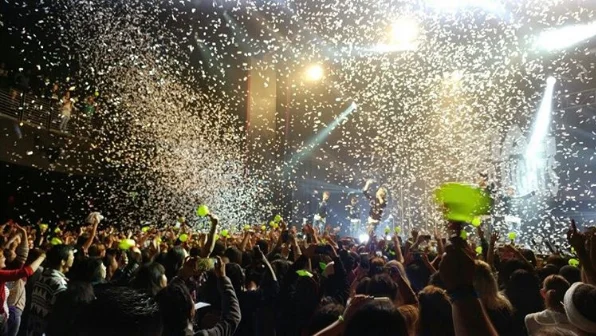
In the contemporary landscape of global entertainment, the concept of "fandom" has transitioned from a niche hobby into a formidable socio-political force. While major celebrities across music, gaming, and digital influence have long cultivated dedicated followings, few groups have demonstrated the organizational precision and collective power of K-pop enthusiasts. Bound by distinct "fandom names" and a shared sense of identity, these groups have leveraged the tools of globalization and social media to transcend geographic and cultural boundaries. However, as these fandoms increasingly pivot toward social justice and political activism, a complex paradox emerges: the same mechanisms used to promote global good are frequently weaponized to protect the reputations of idols, often at the expense of the very values the fans claim to uphold.
Defining the Fandom as a Social Movement
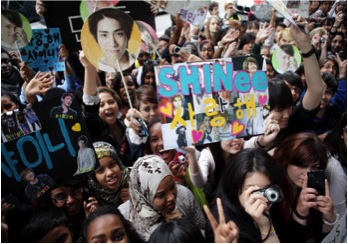
To understand the current influence of K-pop fans, one must first view them through the lens of social movement theory. Sociologists define social movements as forms of collective action involving informal networks and interactions between groups and individuals, all working toward a common goal derived from a collective identity. K-pop fandoms—such as BTS’s ARMY, Stray Kids’ STAY, or Blackpink’s BLINK—perfectly encapsulate this definition. These groups span diverse demographics, including variations in age, race, gender, and geography, yet they operate with a unified efficiency that rivals traditional political organizations.
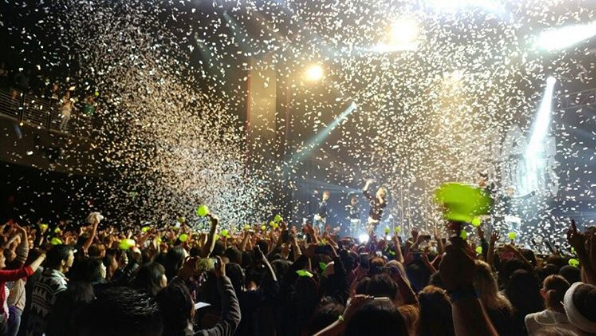
The operational success of these groups is rooted in the concept of collectivism. Unlike the individualistic tendencies often seen in Western fan cultures, K-pop fandom is heavily influenced by the collectivist values prevalent in East Asian societies. This cultural framework prioritizes the well-being and reputation of the community and the central figure—the idol—over individual preferences. This results in a highly disciplined structure where millions of individual efforts are synthesized into singular, tangible outcomes, ranging from massive album-buying campaigns to global philanthropic initiatives.
The Intersection of Globalization and the Korean Wave
The rise of K-pop activism is inseparable from the broader phenomenon of "Hallyu," or the Korean Wave. Globalization has facilitated a rapid exchange of cultural ideals, allowing South Korean media to secure a dominant position in the international market. The success of Korean cinema, exemplified by Bong Joon-ho’s Parasite winning Best Picture at the 2020 Academy Awards and Youn Yuh-jung’s Best Supporting Actress win for Minari in 2021, paved the way for a deeper Western integration of Korean culture.
In the music industry, this globalization is most evident in the record-breaking success of groups like BTS. By consistently selling out stadium tours and dominating Billboard charts, these artists have provided a platform for their fans to exercise collective influence. Korean marketing firms have further fueled this by designing content for maximum "shareability." The "reaction video" genre, for instance, has become a digital ecosystem of its own. Channels such as ReacttotheK have built entire platforms by analyzing the musicality of K-pop, creating a feedback loop that introduces the genre to new demographics, including classical musicians and academic circles. This digital infrastructure ensures that when a fandom decides to move, its message can reach every corner of the globe within minutes.

A Chronology of Digital Mobilization
The year 2020 served as a turning point for K-pop fandom activism, shifting the focus from music charts to social and political justice. The following timeline highlights the scale of this mobilization:
June 4, 2020: The Black Lives Matter Donation
Following the global protests sparked by the death of George Floyd, BTS and their management agency, Big Hit Entertainment (now HYBE), announced a $1 million donation to the Black Lives Matter (BLM) movement.
June 5–7, 2020: The #MatchIt Campaign
Within 24 hours of the announcement, BTS fans (ARMY) launched the hashtag #MatchAMillion. Using a dedicated Twitter account to track and organize donations, the fandom successfully raised over $800,000 in a single day. By June 7, the total surpassed $1 million, effectively doubling the original contribution through grassroots crowdfunding.
June 2020: Disrupting the Tulsa Rally
K-pop fans were credited with a sophisticated digital prank targeting a political rally for then-President Donald Trump in Tulsa, Oklahoma. Fans and TikTok users reportedly reserved hundreds of thousands of tickets with no intention of attending. While the Trump campaign denied the impact, the rally saw a significantly lower turnout than expected, with fewer than 6,200 attendees in a 19,000-seat arena.
Late 2020: Hashtag Flooding
During periods of civil unrest, K-pop fans utilized their massive numbers to drown out extremist rhetoric. When white supremacist groups attempted to trend the #WhiteLivesMatter hashtag on Twitter, K-pop fans flooded the tag with "fancams" (short videos of idols performing), rendering the hashtag useless for its original purpose and effectively silencing the intended message of hate groups.
The Mechanics of Narrative Control
While the aforementioned examples highlight the positive potential of fandom, the same tactics are frequently used for "search engine optimization" (SEO) manipulation and the silencing of internal dissent. A common practice known as "clearing the searches" involves fans flooding social media with positive keywords associated with an idol’s name to push down negative news or scandals.

This behavior became particularly prominent in early 2021, when a wave of bullying allegations hit the South Korean entertainment industry. One notable case involved Hyunjin of Stray Kids. Despite the complexity of the allegations, segments of the fandom leveraged hashtag campaigns to demand his return and signal continued financial support to the label, JYP Entertainment. This creates a high-pressure environment where entertainment companies may prioritize fandom demands over rigorous accountability or transparency.
The Paradox of Internal Marginalization
The most significant criticism of K-pop fandom as a social movement is the treatment of its own minority members. Despite the public-facing image of inclusivity, Black K-pop fans have frequently reported experiences of racism and silencing within these communities. When fans from marginalized backgrounds raise concerns regarding cultural appropriation—such as idols wearing traditional hairstyles or using slurs—they are often met with "dogpiling."
This organized harassment is designed to protect the idol’s image at all costs. Critics argue that this demonstrates a fundamental flaw in fandom-based activism: the goal is not universal justice, but the protection of a specific individual or brand. When the pursuit of social justice conflicts with the reputation of the idol, the fandom often defaults to defensive maneuvers that can be exclusionary and harmful to the very groups they previously claimed to support.
Analytical Implications: Activism vs. Fandom Protectionism
The rise of the K-pop fan as a political actor represents a new frontier in digital sociology. On one hand, these groups have demonstrated an unprecedented ability to raise funds and disrupt harmful narratives. They have proven that digital collectivism can have tangible, real-world impacts on civil rights movements and political discourse.
On the other hand, the "idol-centric" nature of these movements limits their efficacy as true social justice vehicles. Traditional social movements are defined by their commitment to a cause or a systemic change. In contrast, fandom movements are defined by their commitment to a person. This creates a volatile environment where the movement’s values are secondary to the idol’s career longevity.
From a corporate perspective, the power of these fandoms has changed how agencies manage crises. Labels now recognize that a motivated fandom is a more powerful PR tool than any traditional press release. However, this also means that agencies are increasingly beholden to the whims of the collective, leading to a cycle where the most vocal and organized segments of a fandom dictate the ethical boundaries of the industry.

Conclusion
K-pop fandom has undeniably evolved into a global social movement capable of extraordinary mobilization. Through the synthesis of collectivist values and digital globalization, these groups have moved beyond the boundaries of music to influence global politics and social justice. Yet, the paradox remains: the power to "do good" is inextricably linked to a desire to protect. As long as the primary objective of the movement remains the idol rather than the ideal, the line between genuine activism and digital protectionism will remain blurred. The future of this movement will likely depend on whether fandoms can learn to hold their idols accountable with the same fervor they use to defend them against the world.



Leave a Reply