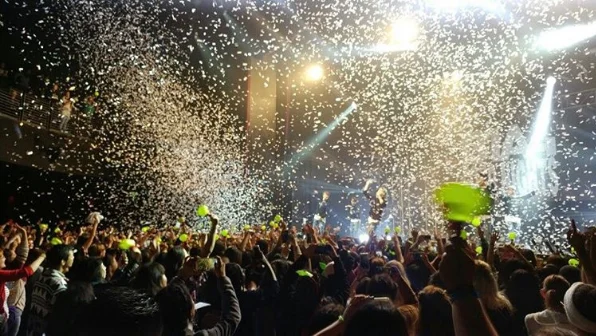
The phenomenon of fandom has transitioned from a niche hobby into a formidable socio-political force, reshaping the landscape of modern celebrity culture. In the contemporary era, major public figures—ranging from vocalists and professional gamers to digital influencers—command vast, organized networks of followers. These groups, often identified by specific "fandom names," are no longer characterized solely by their consumption of media; instead, they operate as highly disciplined units capable of mobilizing across diverse demographics. While the primary objective of any fandom remains the support of a specific celebrity, the convergence of social media and globalization has empowered these groups to transcend physical borders and cultural barriers, turning them into a new breed of social movement.
This transformation is most visible within the K-pop industry, where the intersection of fan loyalty and digital coordination has yielded unprecedented results. From trending worldwide hashtags and massive donation drives to influencing political events and manipulating search engine algorithms, the power of K-pop fandom is undeniable. However, as these groups increasingly engage with social justice movements, a complex paradox emerges. While fandoms are capable of generating significant charitable contributions and promoting inclusivity, the same collective power can be weaponized to silence dissent, obscure controversy, and prioritize the reputation of an idol over the principles of justice they claim to uphold.
The Sociological Framework: Fandom as a Social Movement
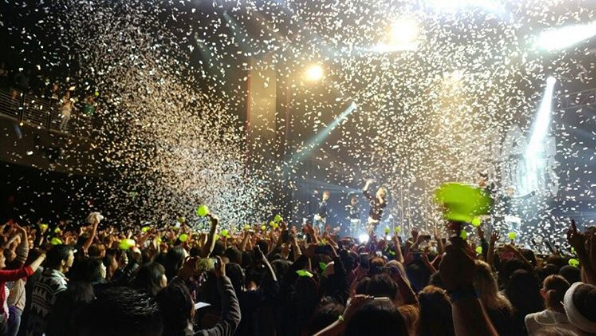
To understand the current influence of K-pop fans, it is necessary to define the parameters of a social movement. Sociologically, social movements are forms of collective action involving networks of individuals and groups who share a common identity and work toward a specific goal. K-pop fandoms fit this definition precisely. They span across race, gender, age, and geography, yet they operate with a level of coordination that rivals traditional political organizations.
Weekly examples of this collective action include organized Twitter campaigns for artist birthdays, mass-voting for international awards, and coordinated album-purchasing strategies designed to boost chart rankings. This efficiency is rooted in the concept of collectivism, a cultural framework prevalent in many Asian societies, including South Korea. Unlike Western individualism, which prioritizes the needs and rights of the person, collectivism focuses on the well-being and goals of the community. In the context of K-pop, this cultural trait manifests as a unified front where millions of individual efforts are synthesized into a single, tangible result, all in the service of a shared idol.
Globalization and the Rise of Korean Soft Power
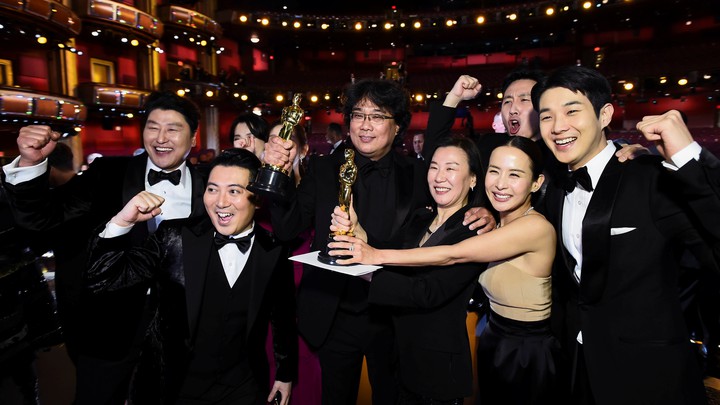
The rise of K-pop as a global force is a byproduct of "Hallyu," or the Korean Wave, a deliberate strategy of cultural exportation. Globalization has facilitated a rapid exchange of ideas, allowing South Korean media to gain a foothold in markets once dominated by Western content. This is not limited to music; the success of the film Parasite, which won Best Picture at the 2020 Academy Awards, and Youn Yuh-jung’s Best Supporting Actress win in 2021 for Minari, underscore the increasing appetite for Korean storytelling.

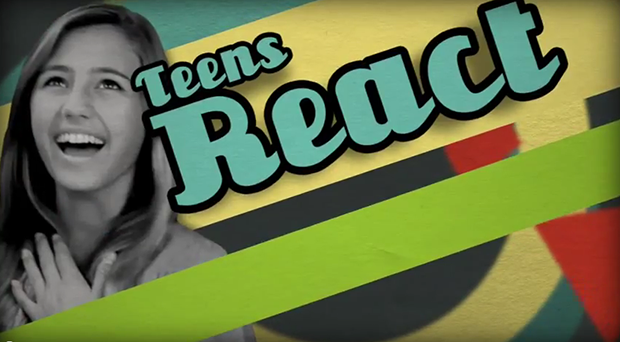
In the United States, K-pop groups like BTS have achieved a level of commercial success that includes selling out stadium tours and receiving extensive coverage in mainstream publications such as Vogue and Refinery29. Korean marketing agencies have leveraged globalization by creating content designed for high shareability. One notable example is the "reaction video" genre. Channels such as ReacttotheK have built entire platforms by analyzing the musicality and visuals of K-pop, creating a feedback loop that introduces the genre to new audiences, including classical musicians and academics. This digital ecosystem ensures that K-pop remains a constant presence in global conversations, providing a platform for fans to exercise their collective influence.
A Chronology of Digital Activism and Political Influence
The year 2020 served as a turning point for K-pop fandom activism, moving beyond the music charts and into the sphere of high-stakes politics and social justice.
June 4, 2020: BTS and their management agency, Big Hit Entertainment (now HYBE), announced a $1 million donation to the Black Lives Matter (BLM) movement following the global protests sparked by the death of George Floyd.
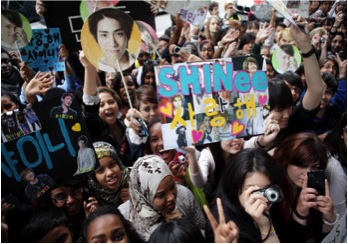
June 5–7, 2020: Within 24 hours of the announcement, the fan-led initiative #MatchAMillion began trending. ARMY (the BTS fan base) organized via social media to match the group’s donation. By June 7, the group "One in an ARMY" announced they had exceeded the goal, raising over $1 million from more than 35,000 individual donors worldwide.
June 20, 2020: K-pop fans, alongside users on TikTok, were credited with disrupting a campaign rally for then-President Donald Trump in Tulsa, Oklahoma. Thousands of fans reportedly registered for free tickets to the event with no intention of attending. While the Trump campaign denied the impact of the prank, the rally saw a significantly lower turnout than expected, with roughly 6,200 attendees in a 19,000-seat arena.
June 2020 (Ongoing): K-pop fans successfully hijacked racist hashtags such as #WhiteLivesMatter and #BlueLivesMatter. By flooding these tags with "fancams" (short videos of K-pop idols performing), they effectively drowned out white supremacist rhetoric and rendered the hashtags useless for their original organizers.
The Dual Nature of Collective Power: Support vs. Suppression
While the aforementioned events highlight the positive potential of fandom activism, there is a darker side to this collective mobilization. The primary goal of a fandom is the protection of the idol, a mission that can sometimes conflict with the pursuit of social justice or objective truth.
In early 2021, the K-pop industry was rocked by a series of "school bullying" allegations against several prominent idols. Among them was Hyunjin of the group Stray Kids. In response, members of the STAY fandom utilized social movement tactics—trending hashtags and organized messaging—to proclaim his innocence and demand his return to activities. This mobilization was not necessarily based on a search for the truth but on a desire to protect the artist’s career. Analysts suggest that such intense fan pressure often forces entertainment companies to prioritize fandom retention over accountability.
Furthermore, the practice of "clearing the searches" has become a common tactic. When an idol is involved in a controversy, fans will coordinate to post thousands of tweets containing the idol’s name paired with positive words like "talented," "kind," or "best boy." The goal is to manipulate search engine algorithms so that when a casual observer searches for the idol, they see positive sentiments rather than news reports about the scandal. This practice, while appearing harmless to some, acts as a form of information suppression.
The Internal Conflict: Marginalized Voices Within Fandoms
Perhaps the most significant critique of K-pop fandom activism comes from within. Despite the high-profile support for movements like Black Lives Matter, many Black K-pop fans have reported systemic harassment within fan spaces. When minority fans speak out against cultural appropriation or the use of racial slurs by idols, they are frequently met with "dogpiling"—a form of cyberbullying where hundreds or thousands of fans attack a single account to silence its criticism.
This creates a stark contradiction: a fandom may raise millions for a social justice cause on Monday, yet spend Tuesday harassing the very people that cause is meant to support. This suggests that for many, "activism" is a tool used to enhance the reputation of the idol rather than a commitment to the underlying social principles. The collective identity of the fandom often demands total loyalty, and those who prioritize their own marginalized identities over the "honor" of the idol are frequently cast out.
Broader Impact and Future Implications
The rise of fandom as a social movement represents a shift in how power is exercised in the digital age. It demonstrates that decentralized, global networks can achieve tangible results, from fundraising to political disruption. However, the reliance on a central figure—the idol—distinguishes fandom activism from traditional social movements. In a traditional movement, the goal is a change in policy or society; in a fandom, the goal is the preservation of a person’s image.

As K-pop continues to expand its global footprint, the tension between these two objectives will likely intensify. The efficiency of the collectivist model provides a blueprint for how digital communities can organize, but it also serves as a warning about the dangers of blind loyalty. While K-pop fans have proven they can change the world, the question remains whether they are willing to change the internal culture of their own communities to reflect the values they champion on the global stage.
In conclusion, fandom is a potent instrument of the modern era, but it is not synonymous with activism. It is a neutral tool that can be used for humanitarian aid or for the suppression of legitimate grievance. As the line between entertainment and politics continues to blur, the actions of these global digital collectives will remain a critical subject for sociologists, political analysts, and the public at large. The ultimate legacy of K-pop fandom activism will be determined not by how much money they match or how many rallies they disrupt, but by how they handle the complexities of justice when it hits close to home.