The Evolution of K-pop Fandom as a Global Socio-Political Force and the Complexity of Digital Activism
Article Editorial Team
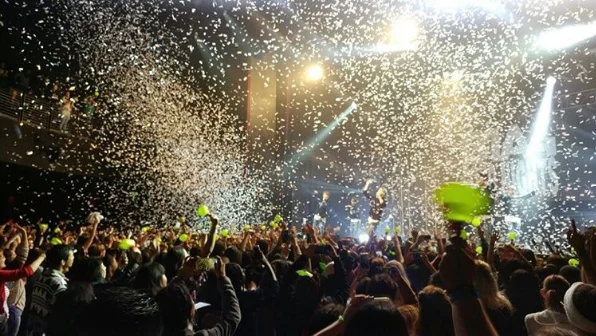
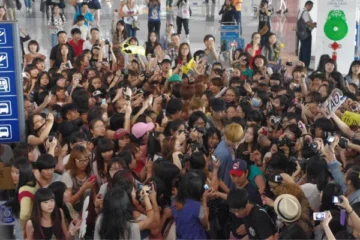
The phenomenon of fandom has evolved from a niche hobby into a sophisticated, high-speed movement that exerts significant influence over global celebrity culture and political discourse. In the modern era, major figures across music, gaming, and digital content creation have cultivated expansive fan bases that transcend traditional demographic boundaries, unified by specific "fandom names" and a singular primary objective: the unwavering support of their chosen celebrity. This support, once limited to purchasing records or attending events, has transformed through the intersection of social media and globalization into a form of collective action that mirrors established social movements. As physical borders become increasingly irrelevant to cultural influence, the collective power of these digital communities has demonstrated an unprecedented ability to impact social justice movements, corporate decisions, and even international political events.
The Intersection of Globalization and Cultural Collectivism
The rise of K-pop as a dominant global force provides a primary case study for how globalization facilitates the exchange of ideas and cultural ideals. Globalization, defined as the profound economic, social, political, and cultural changes occurring in the modern world, has allowed South Korean entertainment to gain substantial traction in Western markets. This is evidenced not only by the music industry but by the broader "Hallyu" or Korean Wave. In recent years, South Korean cultural products have achieved pinnacle success in the United States, such as Bong Joon-ho’s Parasite winning Best Picture at the 2020 Academy Awards and actress Youn Yuh-jung securing Best Supporting Actress in 2021. This cultural saturation extends to lifestyle trends, including the viral "dalgona coffee" phenomenon and the increasing mainstream availability of Korean cuisine.
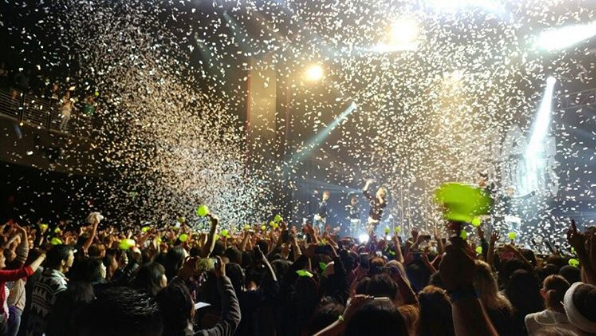
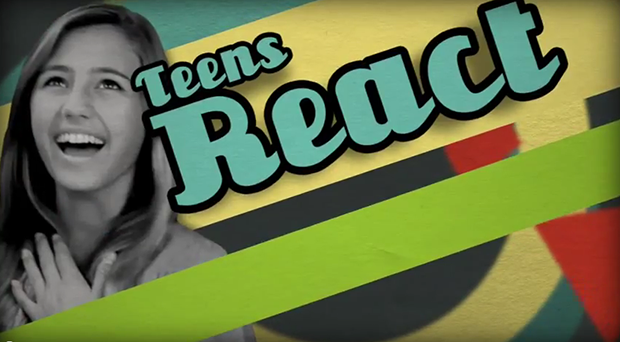
K-pop sits at the center of this movement, with groups like BTS consistently selling out international stadium tours and receiving extensive coverage from major Western media outlets such as Vogue, Refinery29, and Seventeen. The industry’s marketing strategies are specifically designed for maximum shareability, leveraging digital formats like "reaction videos" to create feedback loops of engagement. Channels such as ReacttotheK have built entire platforms by analyzing the musicality of K-pop, further bridging the gap between casual listeners and academic or professional music circles.
Central to the efficacy of K-pop fandom is the concept of collectivism. Unlike the individualistic focus prevalent in many Western cultures, South Korean society often emphasizes the well-being and goals of the community or family unit. This cultural foundation is mirrored in K-pop fandom structures, where millions of individual efforts are synthesized into singular, tangible results. Whether through mass voting for awards, coordinated album purchases, or synchronized social media campaigns, the unity and efficiency of these groups are rooted in a collective identity that prioritizes the artist’s success over individual fan preferences.
A Chronology of Fandom-Led Social Action
To understand how fandom qualifies as a social movement, it is necessary to examine its trajectory of collective action. Social movements are defined by networks of interaction between individuals and groups working toward a common goal based on a shared identity. In 2020 and 2021, K-pop fandoms transitioned from internal community management to external social and political intervention.
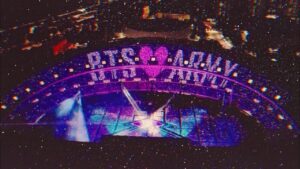
June 4, 2020: BTS and their management agency, Big Hit Entertainment (now HYBE), announced a $1 million donation to the Black Lives Matter (BLM) movement amid global protests following the death of George Floyd.
June 5–7, 2020: Within 24 hours of the announcement, the BTS fan base, known as ARMY, launched the #MatchItAuntie and #MatchAMillion campaigns. Utilizing the fan-run organization "One In An ARMY," the group coordinated a massive fundraising effort. By June 7, the fandom had successfully matched the $1 million donation through small-scale contributions from over 100,000 individual fans.
June 2020: K-pop fans and TikTok users were credited with disrupting a campaign rally for then-President Donald Trump in Tulsa, Oklahoma. Reports indicated that fans reserved hundreds of thousands of tickets with no intention of attending, resulting in an actual attendance of approximately 6,200 people in a 19,000-seat arena.
July 2020: When the #WhiteLivesMatter hashtag began trending on Twitter, K-pop fans successfully "hijacked" the tag by flooding it with thousands of "fancams" (short video clips of idols performing). This tactical maneuver effectively drowned out racist rhetoric and rendered the hashtag useless for its original proponents.
These events demonstrate that K-pop fandoms possess the organizational infrastructure of a political lobby or a non-profit organization, capable of mobilizing resources and attention at a speed that traditional institutions often cannot match.
The Mechanism of "Search Clearing" and Digital Defense
While the power of fandom is frequently lauded when applied to social justice, it also possesses a defensive mechanism that can be weaponized to obscure accountability. The primary goal of a fandom is the protection of the idol’s reputation, a mission that sometimes conflicts with the principles of social justice or objective truth.
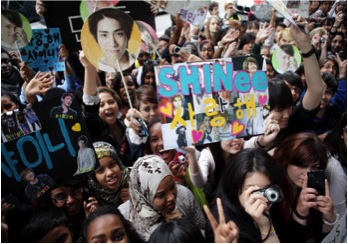
One common tactic is "clearing the searches." When an idol is involved in a scandal or faces criticism, fans coordinate to flood search engines and social media platforms with positive keywords and phrases. By associating the idol’s name with benign or complimentary terms, fans can effectively "bury" negative news or critical articles, making it difficult for casual observers to find information regarding a controversy. This practice, while appearing innocuous to some, represents a sophisticated form of information control that prioritizes image over discourse.
The complexity of this power was highlighted during the spring of 2021 when Hyunjin, a member of the group Stray Kids, faced a wave of school bullying allegations. His fandom, STAY, utilized hashtag campaigns to demonstrate unwavering support and pressure the artist’s agency to retain him in the group. In such instances, the power of the social movement is leveraged not for a broad social cause, but to ensure the continued career viability of a single individual, regardless of the veracity of the claims against them.
The Internal Conflict: Marginalization Within Fandoms
The narrative of K-pop fandom as a progressive, unified force is further complicated by the experiences of minority fans within these communities. Despite the high-profile support for movements like Black Lives Matter, many Black K-pop fans have reported frequent instances of "dogpiling" and harassment when they raise concerns about cultural appropriation or the use of racial slurs by idols.

When a minority fan points out problematic behavior, the collective often views this criticism as an "attack" on the idol. In the rush to protect the celebrity’s image, the fandom may turn on its own members, silencing the very voices they claimed to support during broader social justice campaigns. This suggests a hierarchy of loyalty where the idol sits at the apex, often above the social causes the fandom nominally supports. It highlights a critical distinction: while fandoms use the tools of social movements, their ultimate allegiance is often to a person or a brand rather than a consistent ethical framework.
Analysis of Implications: Activism vs. Idol-Centric Mobilization
The rise of K-pop fandom as a digital powerhouse marks a shift in how collective action is organized in the 21st century. The efficiency of these groups proves that traditional barriers to entry for social movements—such as geographic location or institutional funding—can be bypassed through digital unity and a shared cultural passion.
However, a factual analysis of these movements suggests that "fandom" and "activism" are not synonymous, even if they occasionally overlap. True activism is typically defined by a commitment to a cause that transcends individuals. In contrast, fandom-based movements are inherently centered on the celebrity. The $1 million BLM match by ARMY was a powerful act of philanthropy, but it was catalyzed by the actions of BTS. Without the idol’s lead, it is uncertain if the same level of mobilization would have occurred.
The broader impact of this phenomenon is twofold. For social justice organizations, fandoms represent a massive, untapped reservoir of potential donors and advocates. For the entertainment industry, these fandoms represent a double-edged sword: a loyal consumer base that can act as a volunteer PR department, but also an unpredictable force that can demand significant influence over corporate strategy.
Ultimately, K-pop fandoms have redefined the boundaries of what it means to be a "fan." They have demonstrated that a group united by music can influence elections, fund global charities, and alter digital landscapes. Yet, as long as the primary goal remains the protection of an idol, these movements will continue to navigate a tension between genuine social progress and the insular demands of celebrity worship. The power is undeniable, but its application remains subject to the shifting whims of the collective’s devotion to its idols.
Related News