The Evolution of K-pop Fandom Culture and the Critical Distinction Between Constructive Criticism and Malicious Harassment
Article Editorial Team
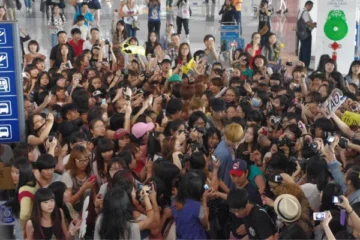
The global expansion of the South Korean music industry, commonly known as K-pop, has transformed from a regional cultural product into a multibillion-dollar international phenomenon. As of 2023, K-pop exports reached a record high of over $1 billion, driven by a highly organized and digitally active global fanbase. However, this rapid growth has been accompanied by a significant increase in online toxicity, cyberbullying, and the rise of "anti-fans." The distinction between constructive criticism and malicious harassment has become a focal point for industry analysts, legal experts, and entertainment agencies seeking to protect their artists and maintain the health of the community.
In the early eras of K-pop—specifically the first generation of the late 1990s—fandom rivalries were largely physical, characterized by competing fan clubs at music shows. The transition to the digital age has moved these interactions to social media platforms such as X (formerly Twitter), TikTok, and specialized forums like Weverse. While these platforms facilitate global connection, they also provide a veil of anonymity that fuels "hater" culture. This culture is defined not by a lack of appreciation for the music, but by the systematic dissemination of destructive, personal, and often baseless attacks against idols and fellow fans.
The Socio-Legal Framework of Online Discourse in South Korea
To understand the weight of online criticism in the K-pop industry, one must consider the legal landscape of South Korea. Unlike many Western nations where online speech is broadly protected under free speech doctrines, South Korea enforces strict cyber defamation laws. Under the Act on Promotion of Information and Communications Network Utilization and Information Protection, individuals can be prosecuted for posting comments that are either true or false if they are deemed to have been written with the intent to defame.
In recent years, major entertainment agencies such as HYBE, SM Entertainment, and YG Entertainment have shifted from a passive stance to an aggressive legal strategy. These companies now regularly employ legal teams to monitor "malicious rumors, sexual harassment, and personal attacks." For instance, HYBE regularly issues quarterly updates regarding the progress of lawsuits against online commenters, emphasizing a zero-tolerance policy. This institutional shift highlights the reality that online comments are no longer viewed as mere "fan banter" but as potential criminal liabilities that impact an artist’s mental health and a company’s brand value.

The Psychological Impact and the Necessity of Professional Criticism
The psychological toll of persistent online harassment has been well-documented within the industry. High-profile tragedies involving idols who faced extreme cyberbullying have prompted a national conversation in South Korea about the ethics of digital engagement. Industry experts argue that while idols are public figures subject to scrutiny, the nature of that scrutiny must remain professional to ensure the longevity of the industry.
Constructive criticism is essential for the evolution of any art form. It allows artists to refine their vocal techniques, stage presence, and creative direction. However, when criticism devolves into "hating," it loses its utility. The primary difference lies in the intent and the delivery. Constructive feedback aims to improve the subject, whereas malicious harassment aims to degrade or silence the subject. For the K-pop ecosystem to remain sustainable, fans and observers must navigate the fine line between being a discerning consumer and a digital aggressor.
The Five Pillars of Constructive Engagement
To foster a healthier digital environment, industry analysts suggest a framework for engagement that prioritizes professional discourse over personal animosity.
1. The Principle of Topicality and Objectivity
Effective criticism must remain tethered to the specific performance or professional output in question. In the current K-pop climate, debates often spiral from a critique of an idol’s vocal performance into unrelated attacks on their physical appearance, family background, or perceived personality traits. This "personalization" of criticism is a hallmark of malicious harassment. When the focus shifts from the work to the individual’s personhood, the argument loses its validity and enters the realm of defamation. Maintaining objectivity ensures that the discourse contributes to the artist’s professional growth rather than their personal distress.
2. Utility and the Path to Improvement
For a critique to be constructive, it must offer a pathway for change. Labeling a performance as "terrible" provides no value to the artist or the production team. In contrast, identifying specific areas for improvement—such as breath control during choreography or the emotional delivery of a lyric—provides a tangible basis for development. In a professional context, feedback is a tool for refinement. Within the K-pop community, providing useful insights helps elevate the quality of the content produced, benefiting the fans and the industry at large.

3. Proportionality and Perspective
A common phenomenon in online fandoms is the "magnification effect," where minor errors are amplified into career-ending scandals. This lack of proportionality often leads to "cancel culture," where a single mistake results in a coordinated campaign to deplatform an artist. Professional discourse requires keeping incidents in perspective. Every artist, regardless of their level of training, is prone to human error. By maintaining a sense of proportion, the community can avoid the dramatic exaggerations that fuel toxic echo chambers.
4. The Ethical Boundary of Safety
The most severe escalation of online toxicity is the issuance of death threats or the incitement of self-harm. Regardless of the perceived offense committed by an idol or a fan, the use of violent rhetoric is never justified. Modern data tracking and international legal cooperation have made it increasingly possible for agencies to track the IP addresses of those issuing threats across borders. This behavior not only crosses ethical lines but also triggers immediate legal intervention from entertainment corporations.
5. Strategic Disengagement and Digital Citizenship
One of the most effective ways to combat the "economy of hate" is through strategic disengagement. Algorithms on social media platforms often prioritize high-engagement posts, including those that are controversial or inflammatory. By responding to "haters," fans inadvertently boost the visibility of the very content they oppose. Practicing digital citizenship involves recognizing when a conversation has ceased to be productive and choosing to withdraw. This deprives malicious actors of the attention they seek and prevents the escalation of online conflict.
Chronology of Fandom Evolution and Policy Shifts
The trajectory of how the industry handles online discourse can be divided into several key phases:
- 1992–2003 (The Formative Era): Fandoms were centralized around official fan clubs. Conflict was primarily physical, and the lack of widespread internet access limited the reach of malicious rumors.
- 2004–2011 (The Digital Transition): The rise of Daum Cafes and Cyworld allowed for the first major online communities. This era saw the birth of the "anti-fan" phenomenon, characterized by organized efforts to boycott certain groups.
- 2012–2018 (Global Expansion and Social Media Dominance): Platforms like Twitter and Instagram became the primary battlegrounds. The speed of information—and misinformation—increased exponentially. Agencies began to realize the need for dedicated monitoring teams.
- 2019–Present (The Legal and Institutional Era): Following several high-profile mental health crises within the industry, there has been a significant shift toward legal accountability. Major portals like Kakao and Naver disabled comment sections on entertainment news to curb cyberbullying. Agencies now utilize AI-driven tools to filter malicious content.
The Role of Agencies and the Media
Entertainment agencies bear a dual responsibility: they must market their artists while also serving as their primary protectors. The modern K-pop agency operates like a high-tech firm, using data analytics to gauge public sentiment. However, critics argue that agencies sometimes contribute to the problem by fostering "parasocial relationships"—deep emotional bonds between fans and idols that can lead to possessiveness and, eventually, extreme resentment if the idol deviates from the fan’s expectations.

The media also plays a critical role in shaping the narrative. Tabloid-style reporting that focuses on "netizen reactions" often gives a loud minority of haters a platform they would not otherwise have. Responsible journalism in the K-pop sphere requires moving away from clickbait headlines that capitalize on fan wars and instead focusing on the artistic and economic impact of the industry.
Future Implications for the K-pop Ecosystem
The sustainability of the K-pop industry depends on its ability to manage its digital footprint. As the genre continues to integrate with the Western market, it will face different standards of free speech and public scrutiny. The challenge for the industry will be to maintain its unique fan-artist connection without allowing that connection to become a conduit for abuse.
Educational initiatives within fandoms are beginning to emerge, where veteran fans mentor newer members on "netiquette" and the importance of reporting rather than engaging with trolls. These grassroots efforts, combined with corporate legal action and government regulation, represent a multi-pronged approach to sanitizing the digital landscape.
Ultimately, the goal is to return the focus to the music and the performance. By distinguishing between the right to criticize and the impulse to harass, the K-pop community can ensure that it remains a source of entertainment and inspiration rather than a breeding ground for toxicity. The evolution of the "hater" into a "constructive critic" is not just a matter of politeness; it is a necessity for the professional health of one of the world’s most vibrant cultural exports.
Related News