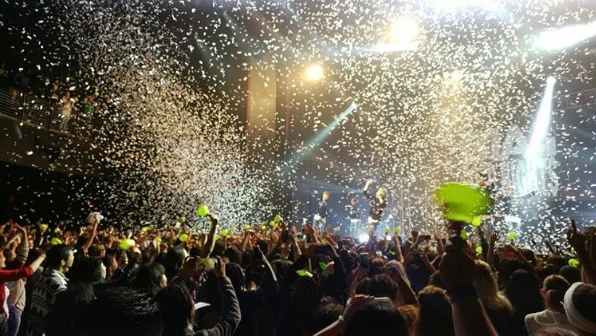
The global rise of South Korean popular music, known as K-pop, has transitioned from a mere entertainment trend into a sophisticated socio-political force driven by highly organized, digitally native fanbases. These groups, often referred to by specific collective names such as ARMY for BTS or STAY for Stray Kids, have transcended the traditional boundaries of celebrity worship to function as decentralized social movements. By leveraging the tools of globalization and social media, K-pop fandoms have demonstrated an unprecedented ability to mobilize millions for both charitable causes and political disruption. However, this collective power remains a dual-edged sword, as the same mechanisms used for social justice are frequently deployed to shield idols from accountability and silence internal dissent.
The Sociological Framework of Modern Fandom
To understand the scale of K-pop’s influence, one must first define the nature of a social movement in the digital age. Sociologists define social movements as forms of collective action spanning various networks and interactions between groups and individuals, all working toward a common goal derived from a shared identity. K-pop fandoms fit this definition with remarkable precision. These groups span diverse demographics—crossing lines of race, gender, age, and nationality—yet they operate with a unified purpose: the promotion and protection of their chosen artists.
The efficiency of these movements is rooted in the cultural concept of collectivism. While Western fandoms often prioritize individual expression and varied opinions, K-pop fan culture is deeply influenced by Asian social structures that emphasize the well-being and reputation of the community over the individual. This collectivist ethos allows for the synthesis of millions of individual efforts into singular, tangible results. Whether the goal is to break a YouTube viewing record, fund a massive birthday billboard in Times Square, or coordinate a political protest, the unity of the collective ensures a level of efficacy that traditional political organizations often struggle to achieve.

Globalization and the Infrastructure of Hallyu
The expansion of K-pop’s influence is a direct byproduct of the "Hallyu" or Korean Wave, a deliberate cultural export strategy that has seen South Korea become a dominant force in global entertainment. This phenomenon is not limited to music; the historic Best Picture win for Parasite at the 2020 Academy Awards and Youn Yuh-jung’s 2021 Oscar for Minari underscore a broader shift in Western consumption of Asian media.
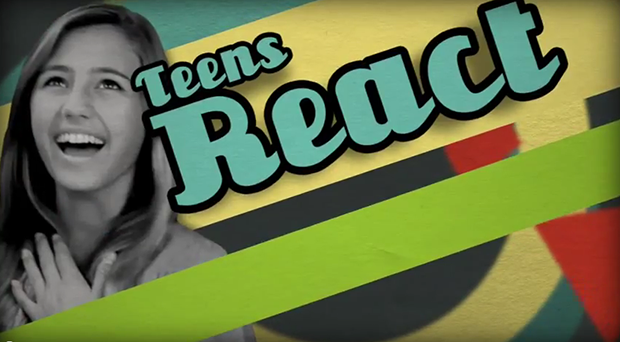
Korean marketing agencies have masterfully leveraged globalization by creating content designed for maximum shareability. The "reaction video" genre, exemplified by channels such as ReacttotheK, has transformed the act of listening to music into a communal, interactive experience. These digital feedback loops foster a sense of intimacy between the artist and the fan, which in turn fuels the fan’s desire to act as a protector and promoter of the artist’s brand. As physical borders become increasingly irrelevant in the digital sphere, these fandoms have become the primary vehicles for South Korea’s soft power, projecting cultural values and social influence across the globe.
A Chronology of Digital Activism: 2020-2021
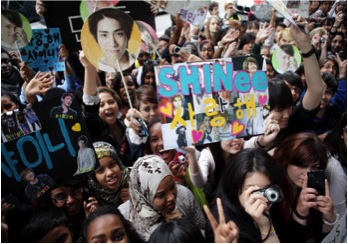
The year 2020 served as a turning point for K-pop fandoms, as they moved beyond the realm of music charts and into the theater of global politics and social justice. The following timeline illustrates the scale and speed of their mobilization:
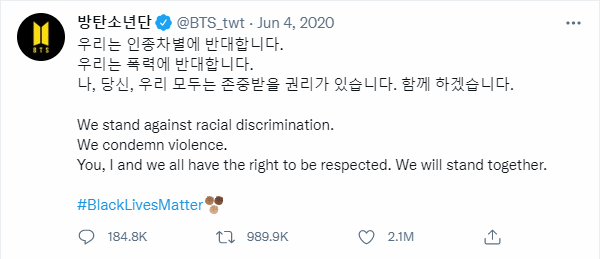
- June 4, 2020: Following the death of George Floyd, BTS and their label, Big Hit Entertainment (now HYBE), announced a $1 million donation to the Black Lives Matter (BLM) movement.
- June 5–8, 2020: Within 24 hours of the announcement, the BTS fan collective "One In An ARMY" launched the #MatchAMillion campaign. By June 7, over 35,000 individual donors had contributed enough to match the $1 million figure, proving that fan-led fundraising could rival the financial power of major corporations.
- June 2020: During the peak of the BLM protests, white supremacist groups attempted to use hashtags like #WhiteLivesMatter to drown out activist voices. K-pop fans responded by "hijacking" the hashtags, flooding them with thousands of "fancams" (short performance clips of idols) and memes, effectively rendering the original racist rhetoric invisible to the public.
- June 20, 2020: Thousands of K-pop fans and TikTok users claimed credit for sabotaging a campaign rally for then-President Donald Trump in Tulsa, Oklahoma. By registering for free tickets with no intention of attending, fans contributed to an unexpectedly low turnout, with only 6,200 attendees in a 19,000-seat arena.
- Early 2021: A wave of "school violence" (bullying) allegations swept through the Korean entertainment industry. Fandoms, such as Stray Kids’ STAY, mobilized to support members like Hyunjin, using social media trends to demand his return to activities and to counter negative press, showcasing the defensive capabilities of the collective.
Supporting Data and Economic Impact
The scale of K-pop’s digital footprint is supported by staggering data. According to Twitter’s 2020 year-end report, there were a record-breaking 6.7 billion tweets about K-pop globally. This volume of conversation provides a massive platform for social messaging. When a fandom decides to support a cause, the sheer volume of their engagement can trigger algorithmic shifts on platforms like Twitter, TikTok, and Google, forcing mainstream media outlets to cover their activities.

Furthermore, the economic power of these groups is significant. The "Match A Million" campaign was not an isolated incident; K-pop fans have historically raised hundreds of thousands of dollars for environmental causes, disaster relief, and educational programs. This financial mobilization is organized through decentralized, volunteer-led committees that operate with the professional rigor of established non-profits, often including legal and financial experts from within the fan community.
The Paradox of Protection: Silencing and "Clearing the Searches"
Despite the positive headlines surrounding their activism, the internal dynamics of K-pop fandoms are often fraught with tension. The same collectivist impulse that drives charitable giving also powers a phenomenon known as "clearing the searches." When an idol is involved in a scandal—ranging from dating rumors to allegations of cultural appropriation or criminal behavior—fans coordinate to flood search engines with positive keywords. This practice is designed to obscure legitimate criticism or news reports that might damage the idol’s reputation.
This defensive posture has particularly affected marginalized fans. Black K-pop fans, for instance, have frequently reported being "dogpiled" or harassed by their own fandom communities when they raise concerns about an idol’s use of racial slurs or appropriation of Black culture. In these instances, the "common goal" of protecting the idol takes precedence over the social justice values the fandom claims to uphold. This suggests that for many fans, activism is secondary to brand protection.
Official Responses and Industry Implications
The response from the K-pop industry has been one of cautious engagement. Entertainment companies like HYBE, SM, and JYP have begun to recognize that their artists’ global success is inextricably linked to the political and social values of their international fanbases. While companies historically avoided political stances to remain "neutral," the pressure from global fans has forced a shift.

However, industry analysts note that companies often treat fandom activism as a marketing tool. By aligning with popular social causes, labels can enhance the "ethical brand" of their artists, thereby increasing fan loyalty and consumption. This creates a complex ecosystem where genuine social concern and corporate interests are often indistinguishable.
Broader Impact and Future Outlook
The transformation of K-pop fandoms into social movements represents a new frontier in digital democracy. It demonstrates how marginalized or geographically dispersed individuals can find agency through shared cultural interests. The ability of these groups to disrupt political rallies and raise millions for charity in a matter of hours has forced political strategists and sociologists to rethink the power of digital communities.
However, the future of this activism depends on the ability of fandoms to navigate their internal contradictions. If the goal of the movement remains solely the protection of a celebrity, its potential for long-term social impact may be limited. As the world becomes more interconnected, the line between "fan" and "activist" will likely continue to blur. The challenge for these global collectives will be to determine whether their power is used to pursue genuine justice or merely to maintain the pristine image of the idols they adore.
In conclusion, K-pop fandom is a testament to the power of globalization and the efficiency of digital collectivism. It has proven that a shared love for music can be converted into a potent force for social change. Yet, as long as these movements are anchored to the fluctuating reputations of individual celebrities, their legacy will remain a complex mix of altruistic achievement and defensive tribalism. The world is watching as these digital armies continue to redefine what it means to be a fan in the 21st century.