The Evolution of K-pop Fandoms from Musical Enthusiasts to Transnational Social Movements
Article Editorial Team
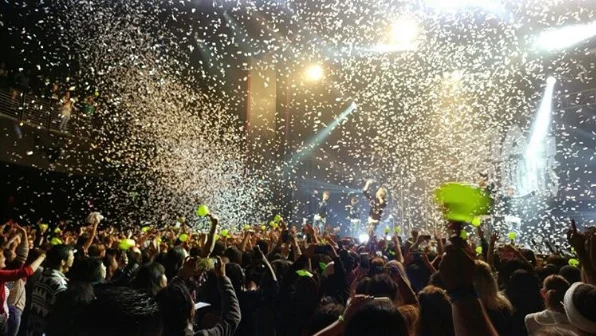
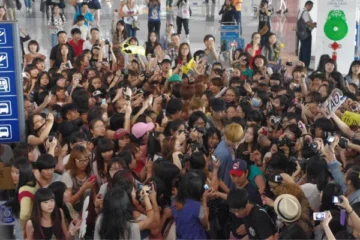
The modern landscape of celebrity culture has undergone a radical transformation, moving beyond simple admiration to a structured, highly organized phenomenon known as the "fandom." While major celebrities across the globe—ranging from professional gamers to Western pop stars—have long maintained dedicated followings, the K-pop industry has redefined the potential of these groups. Uniting diverse demographics under specific "fandom names" like BTS’s ARMY or Stray Kids’ STAY, these organizations have evolved into powerful social movements capable of influencing international politics, social justice initiatives, and corporate decisions. This shift is driven by the intersection of globalization, digital collectivism, and a unique cultural framework that prioritizes the group over the individual.
The Intersection of Globalization and Digital Collectivism
Globalization serves as the primary engine for the expansion of K-pop fandoms. Once confined by physical borders and language barriers, the exchange of cultural ideals has become a frictionless process facilitated by high-speed internet and social media. In the 21st century, globalization is no longer merely an economic term but a description of the profound social and cultural changes that allow South Korean media to resonate in the United States, Europe, and beyond.
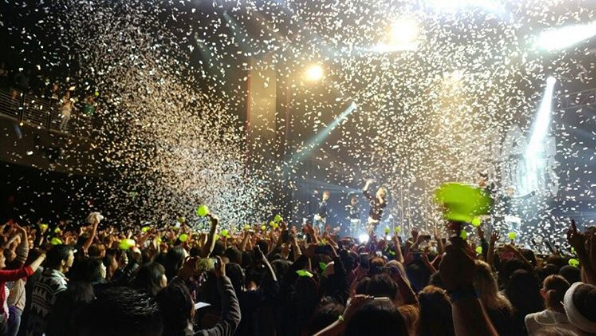
The success of South Korean cultural exports, often referred to as the Hallyu wave, is evidenced by the mainstreaming of Korean cinema and food. The 2020 Oscar sweep by Bong Joon-ho’s Parasite and Youn Yuh-jung’s 2021 Best Supporting Actress win for Minari signaled a shift in Western receptivity to non-English media. Within this context, K-pop has emerged as the most visible and organized facet of Hallyu. Groups like BTS, Blackpink, and Twice do not merely sell records; they cultivate digital ecosystems where fans collaborate on a global scale.
Central to this collaboration is the concept of collectivism. Unlike Western fan cultures, which often emphasize individual expression, K-pop fandoms frequently adopt a collectivist mindset rooted in East Asian social structures. This philosophy prioritizes the well-being and reputation of the community and the idol over individual desires. When applied to digital spaces, this collectivism manifests as high-efficiency "digital labor," where millions of fans coordinate to achieve tangible goals, such as trending hashtags, winning fan-voted awards, or orchestrating mass purchasing campaigns to influence Billboard charts.
A Chronology of Fandom-Led Social Action
The transition of K-pop fandoms from music-focused groups to political actors reached a fever pitch in 2020. While fans had previously engaged in philanthropic efforts—such as donating rice wreaths or planting forests in an idol’s name—the scale of action shifted toward systemic social issues.
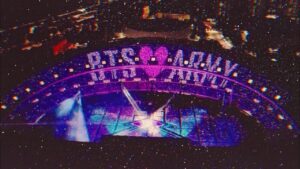
June 4, 2020: BTS and their management agency, Big Hit Entertainment (now HYBE), announced a $1 million donation to the Black Lives Matter (BLM) movement following the global protests sparked by the death of George Floyd.
June 5–7, 2020: In response, the fan-led charity organization "One In An ARMY" launched the #MatchAMillion campaign. The goal was for the fandom to collectively match the $1 million donation. Within just 24 hours, the group had raised over $800,000, and by June 7, the total surpassed $1 million from more than 35,000 individual donors.
June 20, 2020: K-pop fans, largely in collaboration with TikTok users, claimed responsibility for disrupting a campaign rally for then-President Donald Trump in Tulsa, Oklahoma. Fans registered for hundreds of thousands of free tickets with no intention of attending. While the campaign expected a massive overflow crowd, the actual attendance was reported at roughly 6,200 people in a 19,000-seat arena.
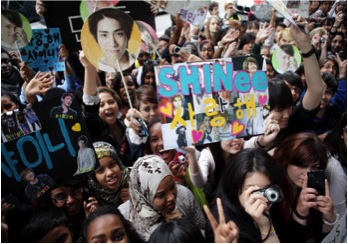
Early 2021: The "Hallyu Bullying Scandal" wave hit the industry, involving several high-profile idols including Stray Kids’ Hyunjin. Fans utilized social movement tactics—trending hashtags like #WhereIsHyunjin—to pressure management companies into providing updates or reinstating idols, demonstrating that fandom power could be directed inward toward the industry itself.
Data and the Mechanics of Influence
The power of these movements is supported by staggering digital metrics. K-pop consistently dominates Twitter’s year-end data; in 2020 alone, there were over 6.7 billion tweets related to K-pop globally. This volume allows fandoms to "hijack" hashtags, a tactic used effectively during the summer of 2020. When white supremacist groups attempted to trend the #WhiteLivesMatter hashtag, K-pop fans flooded the tag with "fancams" (short videos of idols performing), effectively drowning out racist rhetoric and making the hashtag unusable for its original purpose.
Furthermore, the "Reaction Video" economy has created a secondary layer of globalization. Channels like "ReacttotheK," which features classical musicians analyzing the technical composition of K-pop songs, have bridged the gap between niche fandom and academic or professional circles. This feedback loop ensures that K-pop remains in the public consciousness, even for those who do not actively seek out the music.
The Paradox of Protection: Weaponized Fandom
Despite the accolades K-pop fans have received for their social justice efforts, the same collective power is frequently criticized when used to silence dissent. The primary goal of a fandom is the protection and promotion of the idol. When this objective clashes with social justice or ethical concerns, the results can be exclusionary.
Black K-pop fans have frequently reported negative experiences within these digital spaces. When idols are accused of cultural appropriation or the use of racial slurs, fans who voice criticism are often subjected to "dogpiling"—a form of organized online harassment. In these instances, the collectivist drive to protect the idol’s reputation overrides the social justice values the fandom may have previously championed.
A common tactic in these scenarios is "clearing the searches." Fans coordinate to tweet positive phrases associated with an idol’s name to ensure that when a neutral observer searches for that idol, the top results are flattering rather than news of a scandal. While effective as a public relations strategy, critics argue this practice obscures accountability and prevents genuine dialogue regarding harm.
Official Responses and Industry Implications
The response from South Korean entertainment agencies has been one of cautious observation and eventual adaptation. Traditionally, agencies like SM, JYP, and YG Entertainment maintained strict control over their artists’ public images. However, the rise of organized fandom movements has forced these companies to become more responsive to fan demands.
In the case of the BLM donation, the decision by BTS and Big Hit to take a public political stance was a departure from the industry’s historical neutrality. Industry analysts suggest that agencies now view fandoms as more than just consumers; they are "prosumers" who contribute to the brand’s value and moral standing. Conversely, the "Tulsa Rally" incident led to a broader discussion among political analysts about the "gamification" of political dissent and the role of non-domestic actors in domestic politics, as many of the participants were fans living outside the United States.
Broader Impact and the Future of Fandom Activism
The emergence of K-pop fandoms as social movements highlights a significant shift in how collective action is organized in the digital age. These groups function as informal, decentralized networks that can mobilize faster than many traditional non-profit organizations. They possess a sophisticated understanding of social media algorithms and a global reach that transcends traditional geopolitical boundaries.

However, the distinction between "activism" and "fandom support" remains a critical point of analysis. Sociologically, a social movement is defined by collective action toward a common goal that emerges from a shared identity. While K-pop fandoms fit this definition, their ultimate goal remains the person—the idol. This personalistic focus means that their engagement with social justice is often transactional or secondary to the celebrity’s brand.
As the line between entertainment and politics continues to blur, the influence of K-pop fandoms will likely grow. Their ability to raise millions of dollars and disrupt political events has proven that they are a force to be reckoned with. Yet, the internal frictions regarding race, accountability, and "search clearing" suggest that these movements are still grappling with the responsibilities that come with such immense digital power. The future of K-pop fandom will be defined by whether these groups can move beyond the protection of the individual idol to champion consistent, systemic change that serves the global community they represent.
Related News