The Evolution of the Dwenjang-nyeo: Unpacking South Korea’s Cultural Critique of Consumption and Gender
Article Editorial Team

The term dwenjang-nyeo, or "bean paste girl," has transitioned from a niche internet slang to a foundational concept in the study of modern South Korean consumerism and gender dynamics. While global audiences were introduced to the concept through the satirical lens of Psy’s 2012 viral hit "Gangnam Style," the roots of the term go much deeper into the fabric of a nation that experienced one of the most rapid economic transformations in human history. To understand the dwenjang-nyeo is to understand the friction between South Korea’s frugal, Confucian past and its hyper-capitalist, brand-conscious present. The term specifically identifies a woman who supposedly eats cheap, humble meals to afford luxury goods, embodying a perceived contradiction between economic reality and social aspiration.
The Etymology of Consumption: From Stew to Starbucks
The linguistic origin of dwenjang-nyeo is rooted in dwenjang, a fermented soybean paste that serves as the base for dwenjang-jjigae, a staple Korean stew. Historically, this stew represents the ultimate comfort food—nutritious, ubiquitous, and, most importantly, inexpensive. In the early 2000s, as South Korea’s coffee culture began to explode following the entry of international chains like Starbucks, a stark contrast emerged in the public consciousness.
The "bean paste girl" is defined by a specific set of consumption patterns. According to sociological observations, she is typically a woman in her 20s or 30s who prioritizes status symbols over basic necessities. The classic archetype involves a woman spending 3,500 to 4,500 Korean Won (KRW) on a bowl of dwenjang-jjigae for lunch, only to immediately spend 6,000 to 7,000 KRW on a designer coffee. This behavior is viewed by critics as a shallow attempt to mimic the lifestyles of the "Gangnam elite"—the residents of Seoul’s wealthiest district—without possessing the actual capital to sustain such a lifestyle.
However, the definition is far from monolithic. To some, the dwenjang-nyeo is a "wannabe" who uses brand-name handbags (specifically "3-second bags," a term used for Louis Vuitton bags because one sees them every three seconds in Seoul) to mask a middle-class background. To others, she is a victim of a society that demands aesthetic perfection and high-status markers as a prerequisite for social and professional mobility.
A Chronology of Economic Transformation
To understand why a woman’s choice of coffee became a national controversy, one must examine the timeline of South Korea’s economic development.
- Post-War Impoverishment (1953–1960): Following the Korean War, South Korea was one of the poorest nations on earth. Its GDP per capita was lower than many sub-Saharan African nations. During this era, dwenjang was not a choice but a necessity for survival.
- The Park Chung-hee Era and the Frugality Mandate (1961–1979): Under the leadership of Park Chung-hee, the nation underwent the "Miracle on the Han River." This period was characterized by state-led industrialization and a strict social ethos of frugality. The government launched national campaigns against kwasobi (excessive spending), framing luxury consumption as unpatriotic. Savings were funneled into heavy industry, and the "tighten your belt" mentality became a national identity.
- The 1988 Olympics and the Rise of the Middle Class: The Seoul Olympics served as South Korea’s "coming out party" to the world. It signaled the birth of a robust middle class with disposable income. For the first time, Western luxury brands began to see Korea as a viable market.
- The 1997 IMF Crisis: This was a pivotal turning point. The Asian Financial Crisis led to mass layoffs and a collapse of the "lifetime employment" model. Paradoxically, this economic trauma intensified the need for status symbols. As job security vanished, the "image" of success became a currency in a hyper-competitive dating and job market.
- The Digital Age and the Birth of "Dwenjang-nyeo" (Early 2000s): With the world’s highest high-speed internet penetration, South Korean "netizens" began policing social behavior. The term dwenjang-nyeo emerged on community forums like DC Inside, quickly becoming a weaponized label for women who embraced the new, Westernized consumer culture.
Supporting Data: The Cost of Status
The criticism leveled at the dwenjang-nyeo is often framed as a concern for financial literacy, but the data suggests a more complex reality regarding the cost of living in Seoul. As of the early 2010s, a Starbucks Americano in Seoul was among the most expensive in the world when adjusted for Purchasing Power Parity (PPP).
In 2012, the average price of a meal in a non-franchise Korean restaurant was approximately 5,000 KRW. At the same time, a specialty latte at a high-end coffee shop could cost upwards of 6,500 KRW. For a entry-level office worker earning 2 million KRW a month (approx. $1,800 USD), a 1.5 million KRW handbag represents nearly a month’s salary.

Furthermore, South Korea has consistently ranked as one of the top five global markets for luxury brands like Chanel, Hermès, and Louis Vuitton. Market research by organizations such as McKinsey & Company has noted that South Koreans are generally more "conspicuous" in their consumption than their Japanese or Chinese counterparts, with a high degree of "social contagion" in fashion trends.
Societal Responses and the Gender Double Standard
The emergence of the dwenjang-nyeo label sparked a significant backlash from feminist scholars and social critics who pointed out a glaring double standard: the absence of a "bean paste boy" (dwenjang-nam).
While young men also participate in conspicuous consumption—often through expensive electronics, cars, or "hustle culture" fashion—they rarely face the same level of vitriol. Critics argue that the dwenjang-nyeo label is a form of misogyny used to police women’s financial independence. If a woman earns her own money and chooses to spend it on a luxury item, the label suggests she is still failing a societal "frugality test" that is not applied to men.
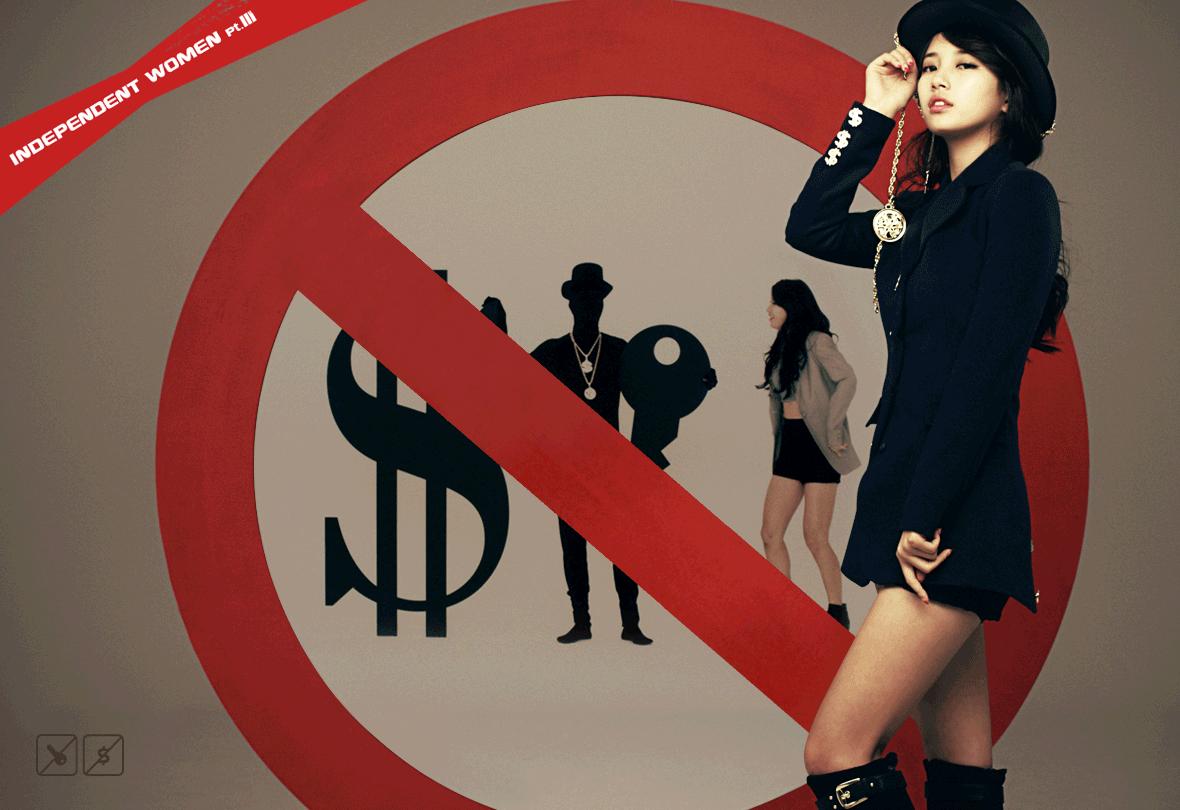
In response to this, a counter-narrative emerged. Some women reclaimed the term, viewing the "bean paste girl" as a symbol of the "New Korean Woman"—financially independent, savvy, and unwilling to adhere to the traditional Confucian roles of the self-sacrificing mother or frugal housewife. Groups like miss A, through their music, emphasized themes of female independence, echoing the sentiment that if a woman works for her luxury, she owes no one an explanation.

Official and Institutional Implications
The dwenjang-nyeo phenomenon was not merely a social media trend; it influenced corporate strategy and public policy.
- Corporate Strategy: Major retailers began to target "small luxury" (the "Lipstick Effect"). Recognizing that young consumers might not be able to afford a house in Seoul’s inflated real estate market, brands marketed "attainable" status symbols like high-end desserts, luxury candles, and designer coffees.
- Media Portrayals: Korean dramas (K-Dramas) began to use the dwenjang-nyeo archetype as a character trope. Usually, these characters are portrayed as antagonistic or shallow, eventually learning a "lesson" about true value, which often involves returning to traditional or humble roots.
- Governmental Context: While the government no longer runs "anti-luxury" campaigns, the spirit of those policies persists in the form of heavy luxury taxes on imported goods, which contributes to the very high prices that make these items such potent status symbols.
Analysis: The Burden of the Image
The dwenjang-nyeo is a symptom of a society in transition. South Korea moved from agrarian poverty to high-tech wealth in a single generation, leaving a psychological gap between how people live and how they believe they should appear to others. In a culture that emphasizes nunchi (the ability to read the social environment) and chemyeon (saving face), the "image" of success is often as important as success itself.
The tragedy of the dwenjang-nyeo critique is that it ignores the structural reasons for this behavior. In a society where social mobility is increasingly stagnant and the "Gold Spoon/Dirt Spoon" theory (the idea that one’s life is determined by the wealth of one’s parents) is widely accepted, "small luxuries" like a Starbucks coffee or a designer wallet are some of the few ways young people can exercise agency and feel a sense of belonging in a high-status world.
Ultimately, the dwenjang-nyeo phenomenon reflects a broader global trend of "performative consumption," but it is sharpened by South Korea’s unique history of rapid modernization and its deeply ingrained gender hierarchies. As the nation continues to navigate its identity in the 21st century, the "bean paste girl" remains a powerful, if controversial, icon of the tensions between who Koreans were, who they are, and who they aspire to be.
Related News