The Intersection of K-pop Fandom and Social Movements: Power Globalization and the Paradox of Digital Activism
Article Editorial Team
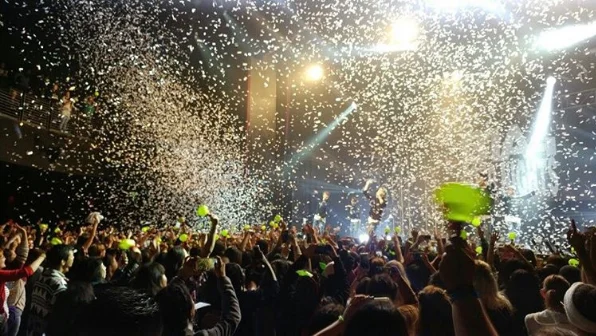
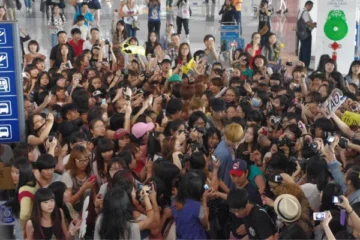
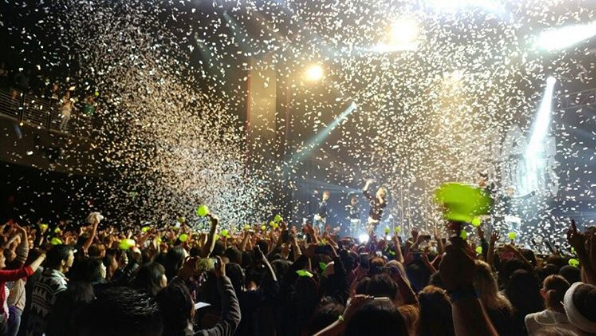
The modern phenomenon of the "fandom" has evolved far beyond the traditional boundaries of celebrity admiration, transforming into a sophisticated and highly organized social movement capable of influencing international politics and global social justice initiatives. In the contemporary landscape of celebrity culture, major figures across the music, gaming, and influencer industries have amassed dedicated followings that transcend demographic lines. These groups, often identified by specific "fandom names" such as BTS’s ARMY or Stray Kids’ STAY, operate with a singular primary objective: the unwavering support of their chosen celebrity. However, the convergence of social media and rapid globalization has expanded the reach of these groups, allowing them to bypass physical borders and cultural barriers to exert a tangible impact on the world stage.
As the world becomes increasingly interconnected, physical geography no longer serves as a limitation on cultural influence. Globalization has become an essential factor in modern existence, facilitating a shared human experience while providing a platform for the exchange of diverse perspectives. This intersection is most visible within the sphere of K-pop, where the fusion of fandom organization and global digital connectivity has produced unprecedented results. From trending worldwide hashtags and massive donation drives to systematic voting for international awards, the power of K-pop fandom is undeniable. Yet, as these groups pivot toward social justice movements, a complex paradox emerges. While fandoms are capable of generating significant social good, their inherent structure also allows for the weaponization of collective action against the very individuals or causes they claim to support.
Defining the Fandom as a Social Movement
In sociological terms, social movements are defined as forms of collective action that span various networks and interactions between groups and individuals, all working toward a common goal derived from a shared collective identity. Under this definition, K-pop fandoms qualify as modern social movements. These groups span diverse categories of gender, race, age, and sexuality, yet they function with a level of coordination often reserved for political organizations.
The efficacy of K-pop fandoms is rooted in the concept of collectivism, a cultural framework that prioritizes the well-being and goals of the community over the interests of the individual. This ideology is particularly prominent in East Asian societies, influencing everything from corporate structures to family dynamics. In the context of K-pop, collectivism manifests as a unified front where millions of individual efforts are synthesized into a single, powerful result. Whether it is organized birthday celebrations for an idol, mass purchasing of albums to influence chart rankings, or coordinated Twitter campaigns, the collective remains focused on the elevation of the celebrity.
The Role of Globalization and the Hallyu Wave
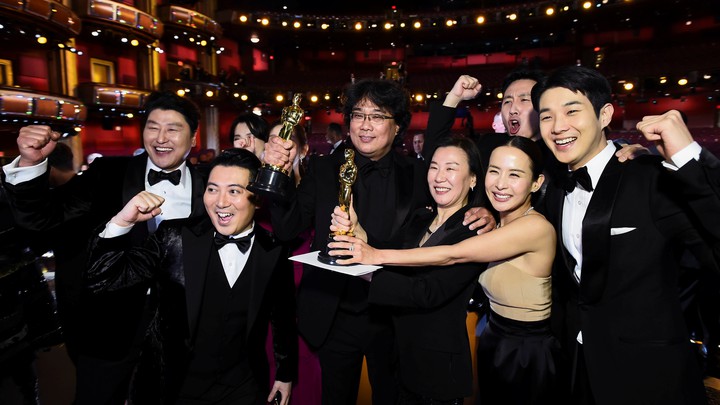
The global ascent of K-pop is a primary example of "Hallyu," or the Korean Wave, which describes the international spread of South Korean culture. This movement has seen remarkable success in the West, particularly in the United States. The impact of Korean media is evidenced by the critical acclaim of films like Parasite, which made history by winning Best Picture at the 2020 Academy Awards, and actress Youn Yuh-jung’s Best Supporting Actress win for Minari in 2021. Beyond cinema, Korean lifestyle trends, such as the "dalgona coffee" craze and the mainstreaming of Korean skincare, have permeated global markets.
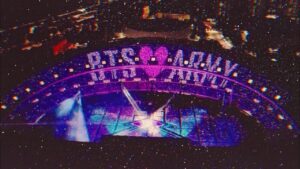
However, K-pop remains the most visible export of this cultural wave. Groups like BTS consistently sell out stadium tours worldwide, while major Western publications such as Vogue, Refinery29, and Seventeen now provide regular coverage of K-pop artists. This global reach is not accidental; Korean marketing firms leverage globalization by creating content designed for maximum shareability. A notable example is the "reaction video" genre, where creators analyze K-pop music videos for their visual and musical complexity. Channels like "ReacttotheK," which focuses on the technical musicality of K-pop, demonstrate how the genre attracts niche audiences, including classical musicians, thereby expanding the fandom’s reach into unexpected intellectual spheres.
A Chronology of Political and Social Engagement
The year 2020 marked a significant shift in how K-pop fandoms utilized their organizational power for political and social causes. The following timeline highlights key moments where fandom collective action intersected with global events:
- June 4, 2020: BTS and Big Hit Entertainment (now HYBE) issued a statement of support for the Black Lives Matter (BLM) movement, accompanied by a $1 million donation.
- June 5–7, 2020: Following the announcement, the fan-led organization "One in an ARMY" launched the #MatchItForward campaign. In approximately 24 hours, over 35,000 individual donors contributed to match the $1 million donation, eventually exceeding $1.2 million for BLM and related bail funds.
- June 2020: K-pop fans collaborated with TikTok users to disrupt a campaign rally for then-President Donald Trump in Tulsa, Oklahoma. By reserving hundreds of thousands of tickets with no intention of attending, fans contributed to a significantly lower-than-expected turnout, with only about 6,200 people attending an event at a venue with a 19,000-seat capacity.
- Summer 2020: When white supremacist and anti-protest hashtags like #WhiteLivesMatter began trending on Twitter, K-pop fans flooded the tags with "fancams" (short videos of idols performing). This effectively "drowned out" the original content, making the hashtags unusable for their intended political purposes.
These incidents provided a template for how digital-native communities could engage in "hacktivism" or grassroots organizing without the need for traditional institutional backing.
The Mechanics of Fandom Power: From Hashtags to "Clearing Searches"
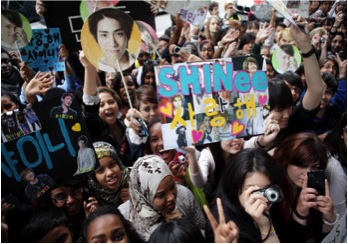
The tools used for social justice are the same tools used for daily fandom maintenance. K-pop fans are renowned for their ability to dominate social media algorithms. For instance, when Stray Kids member Hyunjin faced a wave of bullying allegations in early 2021, the STAY fandom utilized coordinated hashtags to signal their continued support to the artist’s management company, JYP Entertainment. By maintaining a high volume of positive engagement, the fandom aimed to influence the company’s decision-making process regarding the idol’s hiatus and eventual return.
Another common tactic is "clearing the searches." This practice involves fans flooding search engines and social media platforms with positive keywords associated with an idol’s name to push down negative news stories, scandals, or critical commentary. While fans view this as a protective measure to shield their idols from "malicious" rumors, critics argue it is a form of information suppression that prevents honest discourse about an artist’s actions.
The Paradox: Activism versus Idol Protection
Despite the accolades K-pop fandoms received for their social justice efforts in 2020, a darker side to this collective power exists. The primary goal of a fandom-based social movement is the protection of the idol, which can sometimes conflict with the principles of the social movements they support.
Black K-pop fans have frequently reported negative experiences within these digital spaces. When fans of color raise concerns regarding cultural appropriation, the use of racial slurs in lyrics, or insensitive styling, they are often met with "dogpiling"—a form of online harassment where hundreds or thousands of fans attack a single individual to silence their criticism. In these instances, the collective identity of the fandom is used to protect the celebrity’s reputation at the expense of the marginalized groups the fandom claimed to support during broader movements like Black Lives Matter.
This behavior highlights the distinction between genuine social activism and fandom-centric collective action. In a traditional social movement, the goal is systemic change or justice for a specific group. In a fandom, the "common goal" is the success and untarnished image of a person. If a social cause aligns with the idol’s brand, the fandom will champion it. If a social cause requires holding the idol accountable, the fandom often pivots to defense.
Broader Impact and Implications for Digital Culture
The evolution of K-pop fandoms offers a glimpse into the future of digital organization. These groups have proven that decentralized, global networks can raise millions of dollars and disrupt political events in a matter of days. This level of efficiency is a testament to the power of the "connected collective."
However, the implications for the future of public discourse are complicated. The ability of a dedicated group to "clear searches" or drown out dissenting voices suggests that the truth can be obscured by sheer volume. As fandoms become more politically active, the line between celebrity PR and grassroots activism continues to blur.
Ultimately, while K-pop fandoms have demonstrated that they can be a force for immense positive change, their actions are fundamentally tethered to the celebrity at their center. The power of the movement is undeniable, but its direction is dictated by the needs of the idol rather than a broader commitment to social justice. As globalization continues to bring diverse cultures together, the challenge for these digital collectives will be reconciling their devotion to a person with the complex, often uncomfortable demands of global social responsibility. Fandom is a powerful engine for mobilization, but it is one that currently prioritizes the idol over the ideal.
Related News