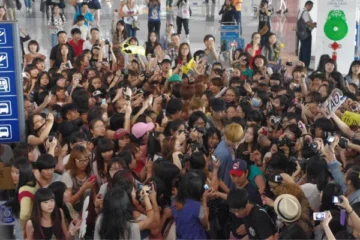
The Global Expansion of K-pop and the Multi-Faceted Challenges Facing the International Fan Diaspora
Article Editorial Team

The rise of South Korean popular music, universally known as K-pop, has transitioned from a regional subculture into a dominant force within the global entertainment industry. This phenomenon, often categorized under the broader umbrella of the "Hallyu" or Korean Wave, has fostered a sprawling international fan diaspora. Bound by digital connectivity and a shared aesthetic appreciation, these "i-fans" (international fans) navigate a unique set of cultural, linguistic, and geographic hurdles. Despite the industry’s multi-billion-dollar valuation and its strategic pivot toward Western markets, the day-to-day experience of the international consumer remains defined by a series of systemic challenges that range from translation delays to social stigmatization.
The Linguistic Barrier and the Evolution of Fan-Led Translation
One of the primary obstacles for the international K-pop community is the language barrier. While music is frequently cited as a universal language, the ancillary content that sustains the K-pop ecosystem—including variety shows, live streams, and social media updates—is predominantly produced in Korean. For decades, the international audience has relied on a decentralized network of volunteer translators. These "fansubbers" dedicate hours to translating and timing subtitles for videos, often working against aggressive copyright enforcement.

The "lost in translation" phenomenon creates a tiered experience within the fandom. When a new interview or "behind-the-scenes" clip is released, domestic fans consume the content instantly, while international fans often experience a period of "digital mourning," searching for subbed versions across various platforms. This delay often leads fans to "dodgy" or third-party websites where copyright strikes frequently result in broken links. In many instances, international fans are forced to watch content without understanding the dialogue, relying on visual cues and the charisma of the performers—frequently referred to as "biases"—to bridge the gap. While major labels like HYBE, SM Entertainment, and JYP Entertainment have begun providing official subtitles on platforms like YouTube and Weverse, the sheer volume of content produced ensures that a significant portion of K-pop media remains inaccessible to the non-Korean speaker.
Social Stigmatization and the Subversion of Traditional Norms
International fans frequently face a lack of understanding from their local peers, particularly regarding the aesthetic presentation of K-pop idols. The South Korean entertainment industry often embraces a "flower boy" (kkonminam) aesthetic, which emphasizes soft features, makeup, and androgynous fashion. This frequently clashes with Western or traditional masculine ideals.
A common grievance among i-fans involves the "interrogation" they face regarding their interests. Simple acts, such as displaying a phone wallpaper of a male idol like Ren from NU’EST or Jeonghan from SEVENTEEN, often elicit confused or derogatory remarks from the uninitiated. These interactions frequently center on gender identity, with observers questioning the masculinity of the artists. Consequently, international fans often find themselves in the position of "cultural educators," forced to explain that different cultures have different standards for beauty and masculinity. This social friction can lead to a sense of isolation, where fans feel the need to hide their interests in public settings to avoid "fangirl" stereotypes or "cringe" labels.

The Geography of Exclusion: The "World Tour" Paradox
Despite the "international" label, many fans feel geographically marginalized by the very industry they support. In the K-pop industry, a "World Tour" announcement is often a source of both excitement and heartbreak. Historically, these tours have prioritized East Asia and select cities in the United States, frequently bypassing entire continents such as South America, Europe, and Africa.
For a significant portion of the diaspora, the reality of being an i-fan is limited to the "i" or the internet. The financial burden of traveling to a different country, or even a different coast, to see a concert is often insurmountable. This geographic distance forces fans to consume live performances through "shaky fancams" and low-resolution live streams. This detachment creates a longing for physical presence in a community that is largely defined by its digital existence. Data suggests that while international streaming numbers contribute significantly to an idol’s success, the physical infrastructure for live performances has not yet caught up with the global distribution of the fanbase.
Linguistic Complexity and the Jargon of the Fandom
The K-pop subculture has developed its own specialized lexicon, which serves as a barrier to entry for the uninitiated and a source of confusion in cross-cultural communication. Terms such as "bias" (one’s favorite member), "comeback" (a new release), "aegyo" (displaying cuteness), and "sasaeng" (an obsessive, intrusive fan) are foundational to the community but lack direct equivalents in many Western social contexts.

Furthermore, the naming conventions of K-pop groups themselves often require extensive explanation. Groups like SHINee or T-ara, while phonetically simple, often require clarification for those unfamiliar with the industry’s penchant for stylized branding. The most complex examples involve convoluted acronyms; for instance, the group Teen Top’s name is an acronym for "Teenager Emoboys Emoticon Next Generation Talent Object Praise." Explaining these concepts to outsiders often results in "glazed-over eyes," further distancing the fan from their immediate social environment.
The Phenomenon of "Engrish" and Cultural Dissonance
As K-pop seeks to expand its global reach, the integration of English lyrics has become standard practice. However, this often results in what is colloquially known as "Engrish"—the use of English words in ways that are grammatically incorrect or semantically awkward for native speakers. Iconic lines such as "You zoom zoom my heart like a rocket" or references to "cola" being "elastic" are often cited as moments where the immersion of a native English-speaking fan is momentarily broken.
Beyond lyrics, there is a deeper psychological impact regarding cultural disassociation. Many i-fans report a "drift" from their own local cultures. After immersing themselves in the highly polished and prolific output of the Korean music industry, local radio hits may begin to sound "foreign" or unappealing. This shift in musical preference can lead to a sense of alienation from one’s own national or local cultural trends, as the fan becomes more attuned to the seasonal release cycles and variety show schedules of a country thousands of miles away.

Industry Response and the Economic Impact of International Support
The South Korean government and major entertainment agencies have not been blind to the struggles and the potential of the international fan. According to the Korea Foundation, the number of Hallyu fans worldwide surpassed 200 million in 2023, a significant increase from the early 2010s. This growth has prompted a shift in corporate strategy.
- Global Auditions: Agencies are now actively recruiting non-Korean members to make groups more relatable to international audiences.
- Multilingual Content: Platforms like Weverse and Bubble offer AI-driven and fan-sourced translations to bridge the communication gap.
- Strategic Partnerships: Collaborations with Western labels (e.g., BTS with Columbia Records, BLACKPINK with Interscope) have helped normalize K-pop in Western media, reducing some of the social stigma.
However, the "repressive" nature of public perception remains. Many fans still feel the need to "repress a burst of giggles" or hide their phone screens while in public to avoid "cold glares" from those who view K-pop as a niche or immature interest. The original article humorously cites the Universal Declaration of Human Rights regarding "freedom from degrading treatment," reflecting the genuine, if lighthearted, frustration of being a misunderstood consumer in a globalized world.
Analysis of Implications: The Future of the Global Fan
The international K-pop fan diaspora represents a new model of global consumerism—one that is highly engaged, technologically savvy, and capable of mobilizing for both commercial and social causes. From selling out stadiums to influencing social media algorithms and even participating in political activism, the "i-fan" is a force of significant influence.

The challenges they face—linguistic, geographic, and social—are slowly being addressed by the "K-pop 4.0" era, which focuses on "globalization by localization." As agencies establish headquarters in the U.S. and Europe and produce groups specifically for those markets, the traditional definition of an "international fan" may evolve. Nevertheless, the core of the experience remains a testament to the power of digital communities. Despite the "oceans that separate them," i-fans continue to serve as the vital bridge between South Korean culture and the rest of the world, proving that the struggle for access and understanding is, for many, a worthwhile endeavor in the pursuit of the music they love.
Related News