The Intersection of Black Culture and K-Pop A Dialogue on Appreciation Appropriation and the Fan Experience
Article Editorial Team
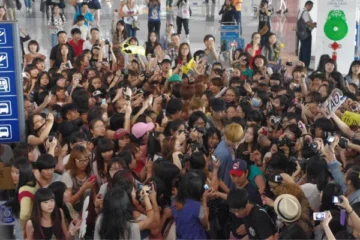
The global ascent of South Korean popular music, known as K-pop, has created a unique cultural crossroads where East Asian production meets African American musical traditions. This phenomenon has fostered a diverse international community of listeners, yet it has also surfaced complex tensions regarding cultural ownership, racial sensitivity, and the ethics of artistic inspiration. As K-pop continues to penetrate Western markets, the perspectives of Black fans—who occupy a space at the intersection of the culture being emulated and the fandom consuming it—have become essential to understanding the industry’s global trajectory. This analysis examines the nuances of cultural appropriation, the historical roots of Black influence in K-pop, and the challenges faced by marginalized fans within the digital Hallyu landscape.
The Historical Foundation of Black Influence in Korean Music
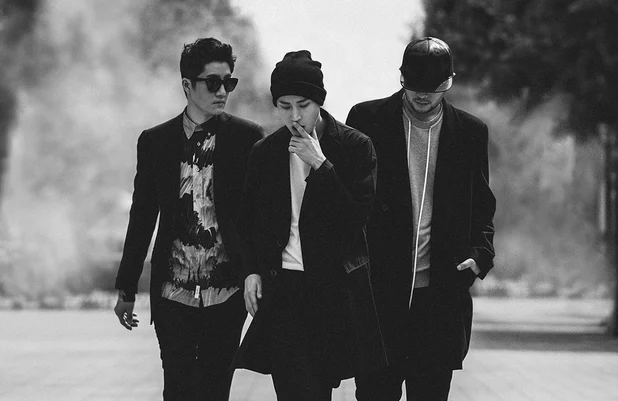
To understand the modern K-pop landscape, one must trace its lineage back to the early 1990s. The emergence of Seo Taiji and Boys in 1992 is widely cited as the catalyst for the modern idol industry. This group integrated American rap, New Jack Swing, and techno into the Korean mainstream, effectively breaking the dominance of "trot" music and ballads. Following this, the founding of major agencies like SM Entertainment and YG Entertainment further solidified this connection. YG Entertainment, in particular, was founded by Yang Hyun-suk, a former member of Seo Taiji and Boys, and heavily prioritized a hip-hop and R&B aesthetic from its inception with artists like Jinusean and 1TYM.
The influence of Black artists is not merely aesthetic; it is structural. The "trainee system" often employs Western choreographers and producers, many of whom are Black, to craft the sounds and movements that define top-tier groups. From the Michael Jackson-inspired choreography of SHINee and Taemin to the soul-heavy vocal arrangements of groups like EXO and Mamamoo, the DNA of Black musicality is woven into the fabric of the industry. This creates a paradox for Black fans: they see their culture celebrated and utilized as a global standard for "coolness," yet they often encounter instances where that same culture is reduced to a caricature or a costume.

Defining the Boundary Appreciation vs Appropriation
The distinction between cultural appreciation and cultural appropriation remains a central point of contention within the fandom. Appreciation is characterized by a genuine respect for the history and originators of a culture, often manifested through giving credit and seeking education. For instance, members of BTS have frequently been noted for their public recommendations of Black artists such as D’Angelo, Prince, and India Arie. This behavior encourages fans to explore the roots of the music they enjoy.
In contrast, cultural appropriation involves the adoption of elements from a marginalized culture by a dominant or outside group, often without permission or understanding of the historical context, and frequently for profit. In K-pop, this often manifests as "hip-hop concepts" used by rookie groups to project an "edgy" or "tough" image. Critics argue that when groups like 4Minute or individual artists like Keith Ape utilize specific Black aesthetics—such as cornrows, grills, or certain linguistic markers—only to discard them when moving to a "pop" concept, they treat Black identity as a transient fashion statement rather than a lived experience.

The use of the Confederate flag in K-pop styling is a recurring example of this cultural disconnect. While some fans defend these instances by citing South Korea’s different educational focus regarding American history, others point out that in a globalized digital age, ignorance is a diminishing excuse for multi-billion dollar corporations aiming for international success. The defense often cited by some fans—"But Kanye West used it"—is frequently dismissed by Black fans who argue that one individual’s controversial artistic choices do not grant a universal license for the use of symbols associated with systemic oppression.
A Chronology of Friction Key Controversies and Reactions
The relationship between K-pop and Black culture has been marked by several high-profile incidents that have forced a dialogue on race.

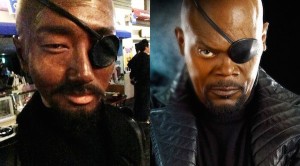
- The Blackface Incidents: Over the past decade, various K-pop idols and variety show performers have appeared in blackface, often under the guise of "tribute" or "comedy." These incidents, involving members of groups like Super Junior and Big Bang, sparked intense international backlash, highlighting a profound gap in understanding regarding the history of minstrelsy and its role in dehumanizing Black people.
- Linguistic Missteps: The use of racial slurs in lyrics or during live broadcasts has been a recurring issue. Rappers like Zico and San E have faced criticism for the use of the "N-word" or other derogatory terms. While some artists have apologized, citing a lack of understanding of the word’s weight, others have been accused of using Black culture to bolster their "street credibility" while simultaneously harboring animosity or superiority complexes toward the culture’s originators.
- Visual Appropriation: Music videos such as 4Minute’s "Crazy" and Keith Ape’s "It G Ma" have been analyzed as "cringe-inducing" examples of appropriation where Black culture is used as a backdrop for a "bad girl" or "rebel" aesthetic. This often leads to the "Impress Us" phenomenon, where non-Black rappers are held to a higher standard of authenticity by Black listeners who are wary of their culture being watered down or mocked.
The Marginalization of Black Fans in Digital Spaces
The experience of being a Black K-pop fan extends beyond the music to the community itself. In the digital diaspora of the Hallyu wave, Black fans often report feeling invisible or excluded from fan-produced content. This is particularly evident in "fanfiction" and "reader-insert" stories, which frequently rely on Eurocentric or East Asian beauty standards, such as descriptions of "flowing hair" or "fair skin," which do not reflect the physical reality of many Black fans.
Furthermore, the "lovey-dovey" illusion of the idol-fan relationship—a cornerstone of K-pop marketing—often feels inaccessible to Black women. In a global society where dark skin is often devalued, many Black fans feel that idols, who are frequently marketed with "whitened" skin in promotional materials, would not view them as desirable or as part of their target romantic demographic. This leads to a more cynical, though perhaps more grounded, engagement with the fandom, where the focus remains strictly on the music rather than the "boyfriend/girlfriend" fantasy.
Corporate Responsibility and the Path Forward
As the K-pop industry matures, there are signs of shifting attitudes among some agencies. Labels like Seven Seasons (managing Block B) have historically been more responsive to international fans who reach out to educate them on cultural sensitivities. The success of groups like BTS and Blackpink in the United States has necessitated a more rigorous approach to cultural competency.
The economic implications are clear: for K-pop to sustain its growth in the West, it cannot afford to alienate a demographic that is not only a significant consumer base but also the progenitor of the very genres the industry emulates. Ignoring the concerns of Black fans is increasingly seen as a liability.

The argument that idols are "too sheltered" to know better is being replaced by a demand for professional accountability. If an artist deigns to use hip-hop as their vehicle, there is an unspoken contract that they must possess a passing knowledge of its history and its legends, such as KRS-One or the African roots of the genre, rather than just imitating the most popular contemporary figures like Drake or Eminem.
Conclusion: Toward a Kaleidoscope of Culture
The dialogue surrounding Black fans in K-pop is not about "bullying" idols or stifling creativity; it is about demanding respect for the roots of the music. The contributions of the Black community—from R&B and soul to hip-hop and house—are the pillars upon which the modern K-pop industry stands.

Music, at its best, functions as a "stained-glass window," requiring a multitude of colors and perspectives to achieve its full beauty. For K-pop to continue its journey as a global force, it must move beyond the "costume" of Blackness and toward a genuine, respectful exchange. As Black fans continue to lend their voices to the conversation, they are not just asking for better representation; they are asking for the industry to acknowledge that their culture is not a gimmick, but a profound and influential heritage that deserves more than a trend-driven imitation. The future of K-pop’s global legitimacy may well depend on its ability to listen to these voices and bridge the gap between inspiration and exploitation.
Related News