The Intersection of K-pop and Black Culture Navigating Appropriation Representation and the Global Fandom
Article Editorial Team
The global ascent of South Korean popular music, known as K-pop, has transformed the industry into a multi-billion-dollar cultural juggernaut. Central to this success is a diverse international fandom that transcends geographical and ethnic boundaries. However, as the genre expands its footprint in Western markets, particularly the United States, it faces increasing scrutiny regarding its relationship with Black culture. While K-pop is heavily rooted in African American musical traditions—ranging from R&B and hip-hop to soul and jazz—the industry’s history is marked by a recurring cycle of cultural appropriation, racial insensitivity, and the marginalization of Black fans. This complex dynamic has prompted a necessary dialogue among Black K-pop enthusiasts who seek to reconcile their passion for the music with the systemic issues present within the industry and its broader community.

The Foundation of K-pop and Black Musical Influence
K-pop’s sonic identity is inextricably linked to Black artistry. The genre’s evolution can be traced back to the early 1990s with the debut of Seo Taiji and Boys, who introduced American rap and New Jack Swing to the Korean mainstream. Since then, the industry has relied heavily on Black producers, songwriters, and choreographers to craft its signature sound. High-profile collaborations, such as Teddy Riley’s work with SM Entertainment or the involvement of African American songwriters in chart-topping hits for groups like EXO and Girls’ Generation, underscore this reliance.

In contemporary K-pop, the influence is even more pronounced. Groups like BTS have frequently cited Black artists such as D’Angelo, Prince, and India Arie as inspirations. Members like RM (formerly Rap Monster) have utilized social media to recommend Black artists to their global audience, an act seen by many as genuine cultural appreciation. Furthermore, the visual language of K-pop—its choreography and fashion—is often derived from hip-hop culture. However, the line between appreciation and appropriation remains thin and is frequently crossed, leading to significant friction within the global fandom.

A Chronology of Cultural Friction and Misunderstanding
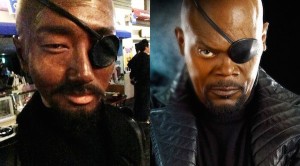
The history of K-pop is punctuated by incidents that Black fans describe as "cringe-inducing" or "harmful." These incidents typically fall into several categories: the use of racial slurs, the adoption of Black hairstyles as "edgy" concepts, and the use of Blackface in variety show segments.
- The Confederate Flag and the "Kanye Defense": A recurring issue involves the use of the Confederate flag in K-pop fashion and music videos. When fans point out the historical weight of the flag as a symbol of slavery and white supremacy, a common defense from non-Black fans is to cite American rapper Kanye West, who once used the imagery in his merchandise. Critics argue that using a single Black individual’s controversial choices to silence the collective concerns of a marginalized group is a logical fallacy and a form of "white pacification."
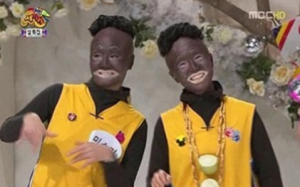
- Blackface and Minstrelsy: Despite global connectivity, "Blackface"—the practice of non-Black performers darkening their skin to caricature Black people—has appeared in Korean media as recently as the mid-2010s. Notable incidents involving members of established groups like Super Junior (Yesung) have drawn international condemnation. These portrayals are rooted in the history of minstrel shows, which were designed to mock and dehumanize African Americans.
- Aesthetic Appropriation in Hip-Hop Concepts: The 2015 releases of 4Minute’s "Crazy" and Keith Ape’s "It G Ma" sparked intense debate over whether these artists were using Black culture as a "costume." For many Black fans, the adoption of cornrows, specific slang, and "tough" personas by idol groups is seen as a trend-driven gimmick rather than a respectful engagement with the culture.
- The Use of Racial Slurs: Several K-pop idols and rappers, including members of Block B and soloists like San E, have faced backlash for using racial slurs in lyrics or during live broadcasts. While some agencies, such as Seven Seasons, have responded positively to fan education efforts, the frequency of these "mistakes" suggests a systemic lack of research and sensitivity training within the industry.
Data and Demographic Realities of the Global Fandom
The demographic shift in K-pop consumption has placed Black fans in a unique position. According to data from the Korea Foundation, the number of Hallyu (Korean Wave) fans worldwide exceeded 100 million by 2020. A significant portion of this growth is attributed to North and South America. In the United States, Black fans represent a vocal and influential segment of the audience, often leading social media discourse and digital activism.

Despite their numbers, Black fans frequently report feeling invisible within the community. In fan-produced content, such as "reader-insert" fan fiction or fan art, representations rarely account for Black physical traits. For instance, common tropes in fan fiction—such as a protagonist’s hair being "run through" by an idol—fail to resonate with the lived experiences of Black women with textured hair. This exclusion reinforces the "lovey-dovey illusion" that K-pop biases are only accessible to fans who fit a specific, often Eurocentric or East Asian, beauty standard.

Industry Responses and the "Lack of Knowledge" Argument
A common defense offered by agencies and non-Black fans is that South Korea is a homogenous society with little exposure to racial sensitivities. However, critics argue that in the era of "Hallyu 2.0," where the goal is global expansion, this excuse is no longer valid. If an agency aims to find success in the U.S. market, it is logically expected to perform basic research on the historical significance of the cultures it emulates.
Some agencies have begun to adapt. Following direct outreach from international fanbases, companies like Seven Seasons (managing Block B at the time) acknowledged the negative impact of certain portrayals and sought to rectify them. This shift suggests that while ignorance may be the initial cause, the willingness to learn is what determines an artist’s longevity in the global market. Conversely, when fans are told to "let it slide" or are accused of "fake outrage," it sends a message that their feelings and historical trauma are secondary to the entertainment value of the idol.

Implications for the Future of the K-pop Industry
The tension between K-pop and Black culture has broader implications for the industry’s brand health. As K-pop moves further into the mainstream, it can no longer operate in a vacuum.

- Authenticity vs. Gimmickry: The longevity of groups like BTS is often attributed to their perceived authenticity and their willingness to engage deeply with the roots of the music they perform. In contrast, groups that use hip-hop as a "flavor of the month" risk alienating the very audiences they seek to attract.
- The "Impress Us" Barrier: There is an inherent skepticism toward non-Black rappers entering the hip-hop space. To be accepted, these artists must prove they understand the genre’s history—spanning from the Bronx in the 1970s to its role as a tool for social protest. Failure to do so results in the music being viewed as a watered-down imitation.
- Economic Impact: Black consumers in the U.S. have significant "buying power" and influence over what becomes "cool" or "viral." If the K-pop industry continues to alienate this demographic through insensitive imagery, it risks hitting a ceiling in the world’s largest music market.
Conclusion: Toward a More Respectful Exchange
The relationship between Black fans and K-pop is one of both profound connection and persistent frustration. For many, the music provides a sense of community, an avenue for language learning, and an introduction to a different culture. However, the recurring themes of appropriation and the silencing of Black voices remain significant hurdles.
The path forward requires more than just apologies after a controversy occurs; it necessitates a proactive approach to cultural education within South Korean entertainment agencies. For K-pop to truly become a "stained-glass window" of global beauty, it must respect the roots from which it grows. As the contributors to the Seoulbeats roundtable noted, respecting the origins of the music means respecting the community that created it. Until the industry views Black fans as stakeholders rather than just consumers, the cycle of misunderstanding is likely to continue, hindering the genre’s potential for true cross-cultural harmony.
Related News