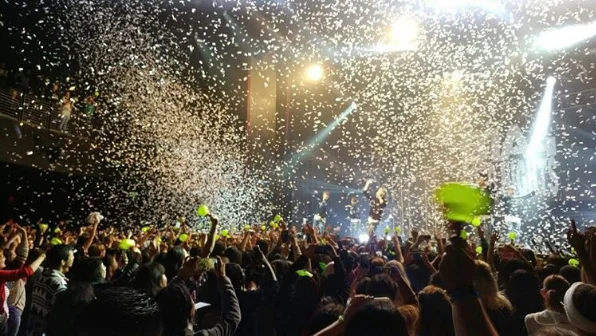
The evolution of celebrity culture has transitioned from passive consumption to a highly organized, influential, and often politicized form of global movement known as fandom. In the contemporary digital landscape, major celebrities across industries—ranging from musicians and gamers to social media influencers—command massive, diverse followings that transcend traditional demographic boundaries. These groups are frequently unified under a specific "fandom name," such as BTS’s "ARMY" or Stray Kids’ "STAY," creating a collective identity that operates with the efficiency of a corporate entity or a political campaign. While the primary objective of these groups remains the support and promotion of their chosen celebrity, the intersection of globalization and social media has transformed these fan bases into potent agents of social and political change.
The Structural Framework of Modern Fandom as a Social Movement
To understand the current influence of K-pop fandoms, it is necessary to define the parameters of a social movement. Sociologically, social movements are characterized as forms of collective action that bridge various networks and interactions between groups and individuals. These entities work toward a common goal that emerges from a shared collective identity. K-pop fandoms fit this definition with remarkable precision. They span continents, languages, and socio-economic backgrounds, yet they maintain a singular focus: the advancement of their chosen idol or group.
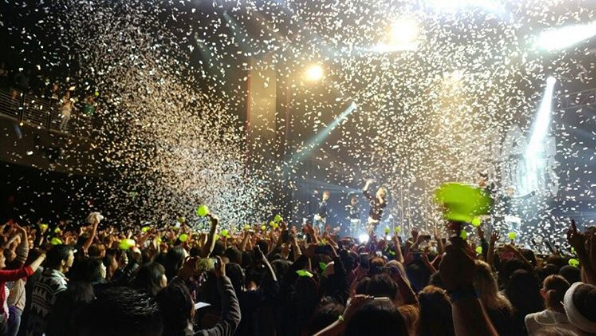
This collective identity is reinforced through daily interactions on platforms like Twitter, TikTok, and Weverse. The actions taken by these groups are not merely spontaneous; they are often highly coordinated. Weekly activities include "mass streaming" events to boost chart positions, organized "hashtag parties" to celebrate artist milestones, and sophisticated voting campaigns for international award shows. This level of organization reflects a shift from traditional fan behavior to a model of digital labor and advocacy.
The Role of Globalization and the Hallyu Wave
The rise of K-pop as a global phenomenon is inextricably linked to the broader concept of globalization—the exchange of ideas, cultural ideals, and economic products across international borders. South Korea has been particularly successful in leveraging "soft power" through its cultural exports, a phenomenon known as the Hallyu (Korean Wave). In the early 21st century, the South Korean government recognized the potential for cultural exports to drive economic growth, leading to a strategic investment in the entertainment industry.
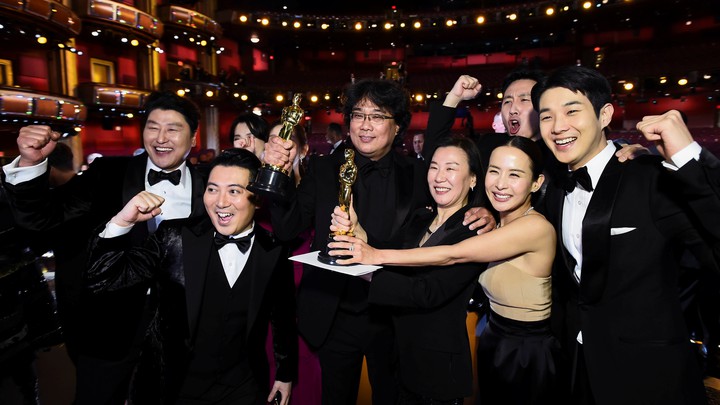
The results of this strategy have become increasingly visible in Western markets. In 2020, the Korean-language thriller Parasite made history by winning Best Picture at the Academy Awards, a milestone followed by Youn Yuh-jung’s Best Supporting Actress win for Minari in 2021. Beyond cinema, Korean lifestyle trends—from skincare routines to the viral "dalgona coffee" trend during the COVID-19 pandemic—have permeated global consciousness. However, K-pop remains the most visible and influential pillar of this cultural expansion. Groups like BTS and BLACKPINK have moved beyond the niche of "world music" to become dominant forces in the global music industry, consistently selling out stadium tours in North America, Europe, and South America.
Collectivism and the Cultural Mechanics of K-pop
The efficiency of K-pop fandoms is rooted in the cultural concept of collectivism, which is prevalent in many Asian societies. Unlike the Western emphasis on individualism, collectivism prioritizes the well-being and success of the group or community. In the context of K-pop, this manifests as a deep-seated sense of responsibility among fans toward the artist. The relationship between the idol and the fan is marketed as a partnership; the artist provides music and content, and the fans provide the labor necessary to ensure the artist’s success.
This cultural framework allows millions of individual efforts to be synthesized into a single, tangible result. For instance, when a new music video is released, fandoms do not just watch it; they organize "streaming goals" to break YouTube records within the first 24 hours. This collective drive is what enables K-pop fans to exert influence far beyond the realm of entertainment.
A Chronology of Digital Mobilization and Social Activism
The power of K-pop fandoms gained significant mainstream political attention during the summer of 2020, a period marked by global unrest and the resurgence of the Black Lives Matter (BLM) movement.
June 4–7, 2020: The #MatchAMillion Campaign
On June 4, 2020, BTS and their management agency, Big Hit Entertainment (now HYBE), announced a $1 million donation to Black Lives Matter. Almost immediately, the fan group "One in an ARMY," a fan-led charity organization, launched the #MatchAMillion campaign. The goal was to mobilize the global fan base to match the donation amount. In a staggering display of digital coordination, the fandom surpassed the $1 million mark in just over 24 hours. This event demonstrated that the infrastructure used to buy albums and vote for awards could be pivoted toward international social justice causes with unprecedented speed.
June 2020: The Tulsa Rally and Digital Disruption
Later that month, K-pop fans were credited with disrupting a campaign rally for then-President Donald Trump in Tulsa, Oklahoma. Through platforms like TikTok and Twitter, fans coordinated a mass registration for free tickets to the event with no intention of attending. While the Trump campaign initially claimed over a million ticket requests, the actual attendance was reported at fewer than 19,000, leaving large sections of the arena empty. Although political analysts debated the exact impact of the fan intervention versus other factors like the pandemic, the incident solidified the reputation of "K-pop stans" as a digital force capable of influencing real-world political optics.
Neutralizing Hate Speech through "Spamming"
During the same period, K-pop fans utilized their numbers to neutralize white supremacist rhetoric on social media. When racist hashtags like #WhiteLivesMatter began to trend, K-pop fans flooded the tags with "fancams"—short video clips of their favorite idols performing. By overwhelming the algorithm with thousands of unrelated posts, they effectively rendered the original hashtags useless for those attempting to spread hate speech.
The Dual-Edged Sword: Protectionism and Toxicity
Despite the accolades for their activism, the power of K-pop fandoms is often criticized for its potential to become weaponized. Because the primary goal of the movement is the protection of the idol, the collective can become exclusionary or even hostile toward those who offer criticism.
Silencing Internal Criticism
A recurring issue within these digital spaces is the treatment of minority fans, particularly Black K-pop fans. When fans raise concerns regarding cultural appropriation—such as idols wearing hairstyles from the African diaspora or using offensive language—they are frequently met with "dogpiling." This practice involves hundreds or thousands of fans harassing a single individual to silence their criticism and protect the idol’s reputation. This creates a paradox where a fandom may support a movement like Black Lives Matter on a global scale while simultaneously marginalizing Black members within their own community.
"Clearing the Searches"
Fandoms also engage in a practice known as "clearing the searches." When an idol is involved in a scandal or receives negative press, fans coordinate to post thousands of tweets using the idol’s name alongside positive words like "best," "talented," or "kind." The objective is to manipulate search engine algorithms so that anyone looking up the idol sees fan praise rather than news of the controversy. While fans view this as an act of loyalty, critics argue it is a form of information suppression that prevents accountability.
Case Study: The Hyunjin Bullying Allegations
In early 2021, the K-pop industry was rocked by a series of bullying allegations against various idols, including Stray Kids’ Hyunjin. In response, the STAY fandom utilized social movement tactics to petition for his return and maintain his marketability. By trending hashtags and organizing "support projects," the fandom signaled to the management company, JYP Entertainment, that their financial and emotional support was contingent on the idol’s reinstatement. This highlights how fandom power can be used to influence corporate decision-making, regardless of the ethical complexities of the underlying situation.
Analytical Implications: Activism vs. Fan Advocacy
While K-pop fandoms utilize the tools of social movements, it is essential to distinguish between genuine social activism and fan-centric advocacy. The primary motivation for most fan-led initiatives is the benefit of the idol. When fans donate to charity or disrupt a political rally, it is often done to improve the public image of their favorite artist or to align the artist with "progressive" values that are popular among the target demographic.
Political scientists and sociologists suggest that while these groups are capable of doing "great good," their actions are fundamentally tethered to a person rather than a consistent ideology. If a social movement is defined by its pursuit of justice, K-pop fandoms often fall short because their "justice" is selective—it is applied when it benefits the idol and discarded when it complicates the idol’s career.

Conclusion: The Future of Digital Collectivism
The rise of K-pop fandom as a social movement represents a significant shift in how power is distributed in the digital age. These groups have proven that they can out-organize traditional political machines and raise millions for charity in a matter of hours. However, the inherent focus on a single individual—the idol—creates a volatility that distinguishes it from traditional grassroots organizing.
As globalization continues to blur the lines between cultures, the influence of these digital collectives will likely grow. The challenge for the future lies in whether these fandoms can evolve beyond "fan-activism" to address systemic issues consistently, or if they will remain a tool for celebrity brand management. Ultimately, the power of the K-pop fandom is a testament to the strength of modern collectivism, but it serves as a reminder that in the world of celebrity culture, the goal is rarely justice for its own sake—it is the protection and elevation of the idol.