The Paradox of K-pop Fandom: Examining the Escalation of Toxic Fan Behavior and its Impact on Idol Autonomy
Article Editorial Team
The global ascent of the K-pop industry, often referred to as the Hallyu wave, has been fueled by a level of fan dedication that is arguably unparalleled in any other entertainment sector. Fans of South Korean idol groups are known for their meticulous organization, executing elaborate "fan projects" that range from charitable donations totaling thousands of dollars to the tradition of "rice wreaths" sent to support artists at press conferences. These acts of devotion create a symbiotic relationship between the artist and the consumer, one that provides the financial and emotional capital necessary for the industry’s survival. However, this intense loyalty often masks a darker, more intrusive side of the K-pop coin. The same passion that builds careers can also be weaponized, leading to a culture of entitlement, cyberbullying, and physical safety concerns that threaten the well-being of the very artists fans claim to adore.
Digital Hostility and the Deletion of Social Media Presence
A primary example of the volatility inherent in digital fan spaces occurred in mid-2013 when Krystal Jung, a member of the girl group f(x), was forced to deactivate her Instagram account. The incident began not with a scandal, but with a series of digital interactions from G-Dragon, the leader of Big Bang. When the veteran idol "liked" several of Krystal’s photos, a segment of G-Dragon’s fanbase interpreted these interactions as evidence of a clandestine romantic relationship. The resulting backlash was swift and severe. Krystal’s account, @kjungxox, became a repository for vitriolic comments and harassment. Furthermore, reports surfaced indicating multiple attempts to hack her account, leading to its eventual deletion.
This incident underscores a recurring theme in K-pop culture: the policing of an idol’s social interactions. The perceived "availability" of an idol is a core component of their marketing, and any deviation from this—even through a simple social media interaction—is often met with hostility. The harassment of Krystal Jung highlights the vulnerability of female idols in particular, who frequently bear the brunt of fan ire when linked to male celebrities.
The "Only 13" Movement and Internal Factionalism
The internal politics of a fandom can be just as damaging as external rumors. Super Junior, one of the most successful groups under SM Entertainment, has long dealt with the "Only 13" movement. This faction of the fanbase insists that the group should only consist of the thirteen original members, vehemently opposing the inclusion of Zhou Mi and Henry Lau. While Zhou Mi and Henry were official members of the sub-unit Super Junior-M, a vocal portion of the "ELF" (Ever Lasting Friends) fanbase demanded a clear boundary between the "official" members and what they termed "guest members."
In July 2013, the pressure from these fans reached a point where Eunhyuk, a senior member of the group, felt compelled to issue a statement clarifying that Zhou Mi and Henry were not official members of the main Super Junior lineup. This move was seen as a concession to the "Only 13" supporters, who had previously gone as far as purchasing shares in SM Entertainment to exert influence over the group’s composition. This level of interference demonstrates a shift in the fan-artist dynamic, where the consumer believes they have the right to dictate the creative and structural decisions of a multi-million dollar corporation.
The Policing of Personal Life: The Jonghyun Cinema Incident
The expectation of "perfection" and total transparency extends into the private lives of idols, as demonstrated by an incident involving SHINee’s Jonghyun. In August 2013, Jonghyun was spotted at a movie theater with a female acquaintance. Despite there being no evidence of a romantic relationship, the mere sighting of him with a woman sparked immediate rumors and demands for an explanation.
In response, Jonghyun issued a public apology via his Twitter account. His statement was a mix of clarification and contrition: "My stories are appearing a lot on community sites. If I tell you just the facts, I went to the movies with my friends, and they’re just my friends, not celebrities. I hope no one gets hurt by this… I’m sorry. Even though it’s not something I should be sorry about, I’m sorry."

The phrasing of Jonghyun’s apology—specifically the acknowledgment that he "shouldn’t be sorry"—reveals the psychological toll of these fan expectations. Idols are often forced into a cycle of apologizing for normal human behaviors, such as socializing with friends, to appease a fanbase that views them as a commodity rather than a person. This culture of constant surveillance and forced apology fosters a toxic environment where the artist’s autonomy is systematically eroded.
Physical Safety and the Chaos of Airport Arrivals
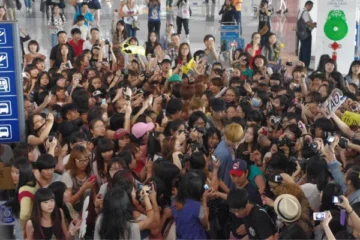
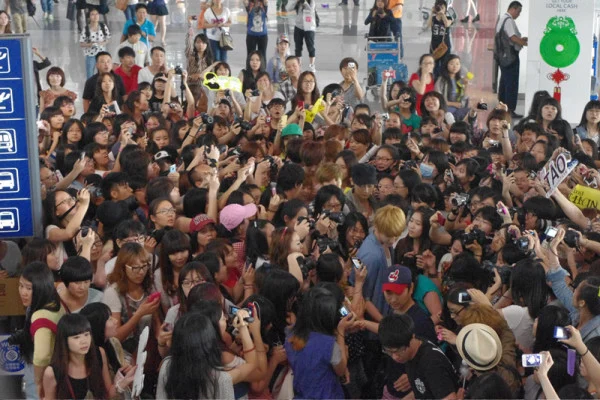
Beyond the digital realm, the lack of boundaries frequently manifests in physical danger. International airports, particularly Incheon International Airport, have become hotspots for chaotic scenes involving "sasaeng" fans (obsessive fans who stalk idols). Groups such as EXO have frequently been at the center of these stampedes.
During arrivals, fans often swarm the artists, ignoring security barriers to get close enough to touch them or take photographs at point-blank range. This behavior has led to numerous injuries for both fans and artists. In several instances, members of EXO, including Luhan, were reportedly pushed or knocked over during these surges. Despite the clear physical risks, entertainment agencies have historically been criticized for a lack of adequate security personnel and for failing to condemn the behavior of their own customers.
The reluctance to reprimand fans stems from the industry’s reliance on the "customer is always right" philosophy. Because fans provide the financial backing for the idols’ careers, agencies are often hesitant to take a hardline stance against even the most egregious behavior, fearing a boycott or a loss of "brand loyalty."

The Psychology of Parasocial Relationships and Entitlement
At the heart of these issues lies the concept of the parasocial relationship. In the K-pop industry, this is not an accidental byproduct of fame but a carefully engineered business model. Through "behind-the-scenes" content, variety shows, and direct-to-fan communication apps, fans are led to believe they have a personal, intimate connection with the idols.
While this model drives record sales and concert attendance, it also creates a sense of ownership. Fans who invest significant time and money into an idol often feel they have a "contractual" right to influence that idol’s life. This entitlement is what leads to the harassment of potential romantic interests, the bullying of idols on social media, and the demands for public apologies for personal choices.
The hypocrisy of this dynamic is evident in the relationship between fans and "netizens" (internet users who post comments on community boards). While fans often position themselves as the defenders of idols against "hateful netizens," the two groups frequently overlap in their demands for perfection. Both groups expect idols to be flawless characters who adhere to a specific narrative, and both are quick to punish any deviation from that script.
The Responsibility of Agencies and the Path Forward
The recurring nature of these incidents suggests that the current approach by entertainment agencies—waiting for the "storm to blow over"—is insufficient. By allowing toxic behavior to go unchecked, companies are fostering a poisonous environment that is ultimately detrimental to the longevity of their artists’ careers.

There is a growing call within the industry for a shift in how these situations are managed. This includes:
- Legal Action: Agencies must be willing to pursue legal consequences for cyberbullying, hacking, and stalking to set a precedent that such behavior is not part of the "fan experience."
- Security Infrastructure: Investing in professional security, particularly at high-traffic areas like airports, to ensure the physical safety of both the artist and the public.
- Communication Reform: Instead of forcing idols to issue "apologies" for having personal lives, agencies should issue statements that affirm the artist’s right to privacy and a personal life.
- Fan Education: Mature segments of the fandom have already begun taking steps to self-police, encouraging others to respect boundaries. Agencies could support these efforts by setting clearer guidelines for fan conduct at events.
The global success of K-pop is a testament to the power of a dedicated fanbase. However, for the industry to remain sustainable and ethical, there must be a recalibration of the fan-idol relationship. The blind negativity and the entitlement to an idol’s private life represent a systemic failure that requires intervention from the companies, the artists, and the fans themselves. Without a clear set of boundaries, the very passion that fuels K-pop may eventually become its most destructive force.
Related News