The Paradox of the Chaebol Understanding South Koreas Corporate Giants and Their Cultural Influence
Article Editorial Team

The image of the South Korean chaebol is etched into the global consciousness through two distinct lenses: the glamorous, high-stakes world of televised dramas and the formidable, export-driven economic reality that has transformed a war-torn peninsula into a global powerhouse. In the realm of K-dramas, the chaebol heir is a ubiquitous archetype—a wealthy, often arrogant young man who navigates boardroom politics and star-crossed romances with equal intensity. However, behind the scripted drama lies a complex and controversial corporate structure that serves as the backbone of the South Korean economy. These family-owned conglomerates, known as chaebol, represent a unique intersection of private wealth, government policy, and national identity that continues to shape the country’s trajectory in the 21st century.
Defining the Chaebol Structure and Economic Scale
The term "chaebol" (재벌) translates literally to "wealthy clan." Unlike Western conglomerates, which are typically managed by professional executives and owned by a diverse pool of shareholders, chaebol are characterized by centralized ownership and control by a single founding family. This control is often maintained through a complex web of cross-shareholdings, where subsidiaries own stakes in one another, allowing the family patriarch (the "Chairman") to exert absolute authority over a vast empire with only a minority of total shares.
The scale of these entities is difficult to overstate. The "Big Four"—Samsung, Hyundai Motor Group, SK Group, and LG Group—dominate the domestic landscape. According to data from the Korea Fair Trade Commission and various economic analyses, the combined revenue of the top ten chaebol has historically accounted for nearly 80 percent of South Korea’s Gross Domestic Product (GDP). Samsung Electronics alone, the crown jewel of the Samsung Group, frequently accounts for approximately 20 percent of the nation’s total exports.

These conglomerates are not limited to a single industry. A single chaebol name might appear on a smartphone, a skyscraper, a container ship, an insurance policy, and a bag of snacks. For example, the Lotte Group operates department stores, hotels, chemical plants, and food processing facilities. Hyundai, while known globally for automobiles, is also a titan in heavy industries, construction, and department stores. This "octopus-like" expansion (muneobal-sik) ensures that the chaebol are omnipresent in the daily lives of South Korean citizens.
The Historical Genesis: The Miracle on the Han River
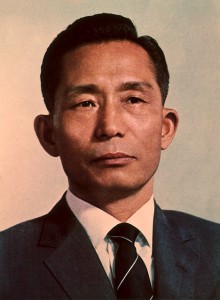
The rise of the chaebol is inextricably linked to South Korea’s rapid industrialization following the Korean War (1950–1953). In the early 1960s, South Korea was one of the poorest nations in the world, with a GDP per capita lower than many sub-Saharan African countries. The turning point came with the rise of General Park Chung-hee, who seized power in a 1961 coup.
Park’s administration initiated a series of Five-Year Economic Development Plans that shifted the nation from an agrarian society to an industrial one. The government adopted a strategy of "state-led capitalism," hand-picking specific family-owned businesses to lead the charge into strategic industries such as steel, shipbuilding, and electronics.
The chronology of this development followed a strict trajectory:

- 1960s: Focus on light industry and textiles to generate initial export revenue.
- 1970s: The Heavy and Chemical Industrialization (HCI) drive, which saw the birth of giants like POSCO and the expansion of Hyundai into shipbuilding.
- 1980s: A shift toward high-tech industries, particularly semiconductors and consumer electronics, led by Samsung and LG (then Lucky-Goldstar).
- 1990s: Global expansion and the aggressive pursuit of international market share.
In exchange for meeting government-set export quotas, these selected companies received massive low-interest loans, protection from foreign competition, and favorable tax treatments. This symbiotic relationship between the "Blue House" (the presidential residence) and the boardrooms created what became known as the "Miracle on the Han River."
The 1997 IMF Crisis and the Turning Point
The unchecked expansion of the chaebol faced a catastrophic reckoning during the 1997 Asian Financial Crisis. Many conglomerates had grown through excessive borrowing, maintaining debt-to-equity ratios that often exceeded 400 percent. When the currency markets collapsed, the structural weaknesses of the chaebol system were exposed.
The collapse of the Daewoo Group, then the second-largest conglomerate in the country, sent shockwaves through the global economy. To secure a $58 billion bailout from the International Monetary Fund (IMF), the South Korean government was forced to implement drastic reforms. These included the dismantling of several insolvent chaebol, the introduction of stricter accounting standards, and the banning of certain cross-debt guarantees between subsidiaries.
Despite these reforms, the core chaebol survived and, in many ways, emerged stronger. They shifted their focus from sheer size to profitability and global brand recognition. However, the crisis left a lasting scar on the public psyche, sparking a debate about whether the conglomerates were "too big to fail" or "too big to sustain."

The Nexus of Power and Political Controversy
The proximity between corporate leaders and political figures remains one of the most divisive issues in contemporary South Korea. This relationship has frequently crossed the line into corruption and influence-peddling. Historically, chaebol leaders have been accused of providing "slush funds" to politicians in exchange for pardons, regulatory favors, or the smoothing of hereditary succession transitions.
One of the most prominent examples of this friction occurred during the 2016–2017 political scandal that led to the impeachment of President Park Geun-hye. The investigation revealed that several major chaebol, including Samsung, had donated millions of dollars to foundations controlled by a confidante of the president. This resulted in the high-profile arrest and conviction of Jay Y. Lee, the de facto leader of Samsung, though he was later granted a presidential pardon—a move that critics argued highlighted the continued "untouchable" status of corporate elites.
Public sentiment toward the chaebol is deeply ambivalent. While there is immense national pride in the global success of Samsung or Hyundai, there is also growing resentment regarding "gapjil"—a term used to describe the arrogant abuse of power by the wealthy. Incidents like the 2014 "Nut Rage" scandal, involving a Korean Air executive and daughter of the company chairman, have fueled calls for "economic democratization" to level the playing field for small and medium-sized enterprises (SMEs).
The Cultural Reflection: Chaebol in Media and Society
The fascination with the chaebol is perhaps most visible in South Korean popular culture. K-dramas often portray the "chaebol son" as a modern-day prince, reinforcing a fantasy of upward mobility and extreme luxury. Shows like Secret Garden, The Heirs, and Boys Over Flowers have exported this image to millions of viewers worldwide.
However, more recent media has taken a darker, more critical tone. Films like the Academy Award-winning Parasite and series like Squid Game or Reborn Rich explore the widening wealth gap and the rigid class structures that the chaebol system has helped entrench. These narratives reflect a societal anxiety known as "Hell Joseon," a term used by young South Koreans to describe a hyper-competitive society with limited opportunities for those born without "gold spoons."
Data and Implications for the Future
As South Korea looks toward the future, the chaebol face several existential challenges:
- Succession Struggles: Many conglomerates are currently transitioning to third- or fourth-generation leadership. High inheritance taxes (which can reach 50-60%) make it difficult for families to maintain control without resorting to controversial financial maneuvering.
- Global Competition: The rise of Chinese state-backed firms in sectors like electric vehicles, batteries, and semiconductors is challenging the dominance that South Korean firms have enjoyed for decades.
- Labor Relations: There is increasing pressure to reform the rigid seniority-based pay systems and improve work-life balance, as the country grapples with a demographic crisis and the world’s lowest birth rate.
- ESG and Transparency: International investors are demanding higher standards of Environmental, Social, and Governance (ESG) criteria, forcing chaebol to move away from opaque family-centered decision-making toward professionalized boards.
Despite these pressures, the chaebol remain the primary engine of South Korean innovation. They are currently leading the nation’s push into green energy, biotechnology, and artificial intelligence. The government continues to rely on them for large-scale investment projects, creating a persistent cycle of dependency.
The story of the chaebol is the story of South Korea itself—a narrative of incredible resilience, rapid growth, and the complicated search for a balance between economic efficiency and social justice. While the "poor little rich boy" of the television screen may be a caricature, the real-world impact of the families behind the brands is a fundamental force that continues to define the nation’s place on the world stage. Whether the system can evolve to meet the demands of a more equitable 21st-century economy remains the defining question for South Korea’s next chapter.
Related News