The Parasocial Peril Understanding and Mitigating the Impact of Sasaeng Culture in K-pop
Article Editorial Team

The South Korean entertainment industry, while a global powerhouse of cultural export, continues to grapple with a persistent and invasive subculture known as "sasaeng" fans. Derived from the Korean words "sa" (private) and "saeng" (life), the term refers to individuals who obsessively follow K-pop idols and other public figures, often engaging in behaviors that border on or cross into criminal activity. Unlike traditional fans who support an artist’s professional work, sasaengs focus their energy on the private lives of celebrities, employing tactics such as stalking, home invasion, and the theft of personal information. As rookie and veteran groups alike face increasing physical and psychological pressure from these individuals, the industry is forced to re-evaluate the boundaries between idols and their audience.
The Mechanics of Sasaeng Intrusion
Sasaeng behavior is characterized by a level of dedication that far exceeds conventional fandom. These individuals frequently utilize specialized "sasaeng taxis"—drivers who charge high fees to follow idol vans at high speeds, often disregarding traffic laws and endangering the public. Beyond physical stalking, the digital age has provided new avenues for harassment. Sasaengs are known to hack into personal messaging accounts, track flight manifests to ensure they are on the same planes as idols, and purchase private phone numbers or social security information from black-market data brokers.
The motivations behind such behavior are often rooted in a desire for recognition from the idol. For a sasaeng, a negative reaction—such as an idol looking at them with anger or fear—is still considered a form of personal interaction that distinguishes them from the "average" fan. This toxic cycle has led to extreme incidents, including the installation of hidden cameras in idol dormitories, the theft of personal items like clothing, and the physical grabbing of artists in public spaces such as airports.

Case Study: The Rise of EXO and the Intensity of 3rd Generation Fandom
While sasaeng culture has existed since the first generation of K-pop, the rise of the group EXO under SM Entertainment has highlighted a significant escalation in the frequency and severity of these incidents. Recently, EXO members have become the primary targets of highly publicized stalking events. During a 2013 interview with Sports Seoul, the members expressed profound distress regarding the impact of these "fans" on their daily lives.
The chronology of incidents involving EXO provides a grim look at the reality of modern idol life:

- The Shower Incident: Member Tao was subjected to a severe privacy breach when sasaengs managed to record audio of him singing in a hotel shower.
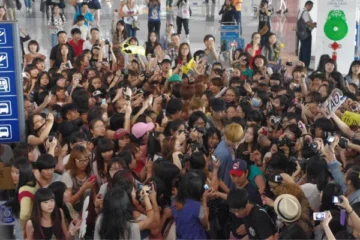
- Airport Mobbing: Frequent reports have emerged of "elephant stampedes" at international airports, where members have been shoved, tripped, and physically restrained by fans attempting to link arms with them.
- Personal Events: The group has reported sasaengs appearing at private family events, including weddings, creating chaos and distressing non-celebrity family members.
- Residential Breaches: Members have frequently noted individuals waiting outside their dormitories at all hours, effectively placing the artists under a state of constant surveillance.
The members’ plea for a "normal" life during their Sports Seoul interview underscored the "burdensome" nature of this attention. They noted that while they appreciate the support of their fanbase, the actions of sasaengs make it impossible for them to feel safe even within the confines of their own homes.
Historical Context: From Shinhwa to TVXQ
To understand the current crisis, one must look at the precedents set by earlier groups. TVXQ, arguably one of the most successful groups in K-pop history, famously dealt with the most organized and aggressive sasaeng following of the 2000s. Their experiences included fans breaking into their dorms to take photos of them while they slept and even attempting to poison member Yunho with a drink laced with superglue.

In contrast, the group Shinhwa, particularly member Kim Dongwan, became famous for setting firm boundaries early in their career. During a promotional event for their debut album, Dongwan famously told fans, "Shinhwa isn’t responsible for your lives." While this was initially viewed as a risky PR move that could alienate supporters, it ultimately cultivated a more mature and respectful relationship between the group and their long-term fanbase. This historical divergence highlights two different paths: the passive endurance of harassment versus the active setting of boundaries.
Analysis of Risk Factors in Idol Marketing
Industry analysts suggest that several factors contribute to the intensity of sasaeng followings. The "Big Three" entertainment companies—SM, YG, and JYP—often face the highest concentrations of sasaengs due to their established prestige and the high expectations placed on their trainees. When a company with a "pristine record" of hit groups announces a new debut, it triggers an immediate and intense wave of anticipation that can manifest as obsession.

Furthermore, the marketing of "parasocial relationships" plays a critical role. The industry often promotes "shipping" (the pairing of members in fictional or perceived romantic relationships) and uses elaborate "backstories" or concepts (such as EXO’s initial "aliens with superpowers" lore) to deepen fan engagement. While effective for sales, these strategies can inadvertently fuel the delusions of vulnerable fans, leading them to believe they have a unique, personal connection with the idol that justifies their intrusive behavior.
Strategic Recommendations for Fandom Management
Based on the patterns observed in the industry, several strategies have been identified to mitigate the risk of sasaeng escalations:

- Demographic Targeting: Groups that target an older, more mature audience (often referred to as "noona" fans in the context of boy groups) tend to experience fewer stalking incidents. Maturity and financial independence often correlate with a more respectful understanding of personal boundaries.
- Assertive Boundaries: Idols are increasingly encouraged not to reward invasive behavior with smiles or polite conversation. Publicly calling out sasaengs or ignoring them entirely can serve as a deterrent by denying them the "interaction" they crave.
- Legal Recourse: The most effective deterrent remains the involvement of law enforcement. "Lawyering up" and pursuing stalking or breaking-and-entering charges serves to break the sense of impunity that sasaengs often feel.
- Privacy-First Debuts: Some groups, such as SHINee, have found success by debuting with less pre-launch hype, allowing their talent to build a fanbase organically rather than through manufactured obsession.
- Digital Security: Maintaining a "scarce trail" on the internet is vital. This includes stricter controls on the dissemination of flight schedules and personal contact information by company staff.
The Psychological and Industry Impact
The long-term implications of sasaeng culture extend beyond mere inconvenience. For the artists, the constant state of hyper-vigilance can lead to severe anxiety, depression, and social withdrawal. The physical risks are equally concerning; several K-pop groups have been involved in car accidents while being pursued by sasaeng taxis, resulting in injuries to both the idols and the fans themselves.
For the K-pop industry at large, sasaengs represent a "toxic baggage" that threatens the sustainability of the idol model. While these fans contribute financially by purchasing multiple copies of albums and attending every event, the cost of their behavior—in terms of security expenses, legal fees, and the potential loss of talent due to mental health crises—is becoming unsustainable.

Conclusion: Toward a Safer Fandom Environment
K-pop is intended to be a vibrant and enjoyable genre for both creators and consumers. However, the unchecked growth of sasaeng culture threatens this ecosystem. The transition from "fandom" to "stalking" is a boundary that must be enforced by entertainment companies, legal systems, and the fan community itself. As seen in the case of EXO and their predecessors, the "godly" status of idols does not exempt them from the basic human right to privacy and safety.
Moving forward, the industry must prioritize the well-being of its artists over the profit generated by obsessive segments of the fanbase. By fostering an environment where boundaries are respected and illegal activities are met with firm consequences, the K-pop industry can ensure that the "Hallyu Wave" continues to grow without the shadow of parasocial peril. The words of Shim Changmin of TVXQ remain a poignant reminder of the necessary balance: fans should lead their own fulfilling lives rather than attempting to live through the private moments of their idols. Only then can the relationship between artist and audience remain healthy, productive, and safe for all parties involved.
Related News