The Privilege Scandal of South Korea’s Celebrity Soldiers: Assessing the Future of the Defense Media Agency and Mandatory Service Equity
Article Editorial Team
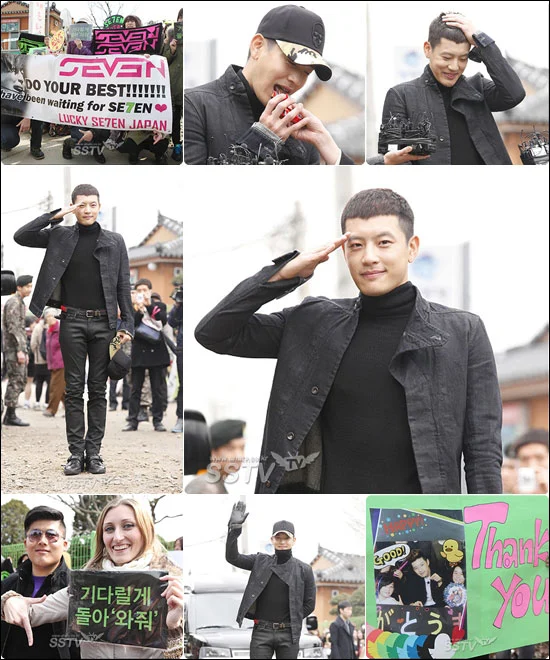
The South Korean Ministry of National Defense is facing an unprecedented crisis of public confidence following a series of high-profile scandals involving "celebrity soldiers" assigned to the Defense Media Agency. For decades, mandatory military service has served as a foundational rite of passage and a strictly enforced legal obligation for all able-bodied South Korean men. However, recent investigative reports have exposed a culture of systemic privilege, lax discipline, and illicit behavior among public relations recruits, sparking a national debate over the necessity and fairness of the celebrity soldier system.
The Foundation of Universal Conscription in South Korea
To understand the gravity of the current scandal, one must consider the geopolitical and social context of the Korean Peninsula. Since the signing of the 1953 Armistice Agreement, which halted the active hostilities of the Korean War without a formal peace treaty, North and South Korea have remained technically at war. Consequently, South Korea maintains a robust standing army through a system of universal conscription. Under the Military Service Act, all male citizens between the ages of 18 and 35 are required to perform approximately 21 to 24 months of military service, depending on the branch of the armed forces.
The military serves as a great societal equalizer. Regardless of socioeconomic status or family background, young men are removed from their civilian lives, stripped of modern luxuries—such as cell phones and unrestricted internet access—and stationed in remote outposts. They endure grueling physical training, strict curfews, and a rigid hierarchy. Failure to fulfill this duty, or any attempt to evade it, results in severe legal penalties and permanent social ostracization. For public figures, particularly entertainers and athletes, the handling of their military service can determine the survival of their careers.
The SBS Investigation: A Catalyst for Public Outrage
The current wave of indignation was ignited by an investigative report titled "On Site 21," broadcast by the Seoul Broadcasting System (SBS) in late June 2013. The segment provided hidden-camera footage of several celebrity recruits—most notably the solo singer Se7en (Choi Dong-wook) and Sangchu (Lee Sang-chul) of the hip-hop duo Mighty Mouth—engaging in behavior that flagrantly violated military regulations.
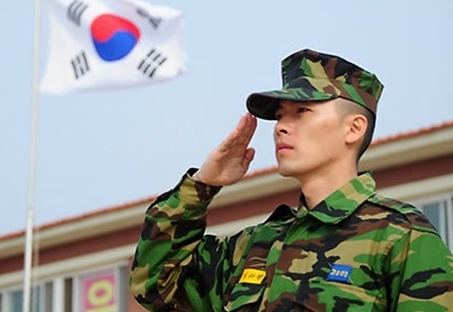
According to the report, following a military-sanctioned performance in Chuncheon to commemorate the 63rd anniversary of the Korean War, the recruits were observed leaving their designated motel in civilian clothing. The footage showed the soldiers using personal cell phones, consuming alcohol, and moving freely without supervision well past the mandatory curfew. The most damaging evidence, however, involved Se7en and Sangchu visiting a local massage parlor at approximately 4:00 AM.
The establishment in question was identified as providing "adult services," a euphemism for illegal prostitution. When confronted by SBS reporters outside the parlor, the two soldiers engaged in a physical altercation with the camera crew, attempting to seize the equipment and delete the footage. This confrontation served as a visual confirmation of their awareness of the illicit nature of their actions.
The Defense Media Agency and the "Celebrity Recruit" System
The soldiers involved were part of the Defense Media Agency (DMA), a unit established to manage public relations and boost the morale of the troops through radio broadcasts, television programming, and live performances known as "Consolatory Trains." These recruits, often referred to as "PR agents," were intended to bridge the gap between the military and the civilian population while providing entertainment to soldiers stationed in isolated regions.
However, the SBS investigation revealed that the life of a PR agent bore little resemblance to that of a standard infantryman. The "On Site 21" report detailed a list of luxuries afforded to these celebrity soldiers, including:
- Access to private gym facilities and entertainment consoles such as Playstations.
- The ability to wear civilian clothing during off-duty hours.
- Unrestricted access to internet and personal communication devices.
- Frequent off-base leave and "stay-out" passes that far exceeded the allotment for regular soldiers.
While an anonymous celebrity recruit defended the unit by claiming they perform up to 20 times a month—a schedule they described as "taxing"—the public responded with derision. Critics noted that performing on a stage, regardless of frequency, does not equate to the physical and psychological toll of patrolling the Demilitarized Zone (DMZ) in sub-zero temperatures.

A Chronology of Escalating Scandals
The Se7en and Sangchu incident did not occur in a vacuum; it followed a series of controversies that had already soured public opinion regarding the DMA.
January 2013: The Rain Controversy
The global Hallyu star Rain (Jung Ji-hoon) came under intense scrutiny when he was photographed meeting with his girlfriend, high-profile actress Kim Tae-hee, while on official military duty. Investigations revealed that Rain had taken significantly more leave days than the average soldier. During his nearly two years of service, Rain reportedly took 94 days of leave or overnight stays, nearly double the 43 to 50 days typically granted to a regular soldier. Despite the outcry, the Ministry of Defense issued a relatively light punishment: one week of confinement for failing to wear his military cap in public and for personal meetings during official business.
March 2013: Pre-Enlistment Statements
Before his enlistment, Se7en himself had contributed to the tension by publicly suggesting that Hallyu stars should be eligible for military exemptions similar to those granted to Olympic medalists. He argued that entertainers contribute significantly to South Korea’s "soft power" and global prestige. This sentiment was met with fierce backlash, as many argued that entertainment careers are market-driven and self-serving, unlike the singular national representation of an Olympic athlete.
July 2013: The Investigation and Cover-up Allegations
Following the SBS broadcast, the Ministry of National Defense (MND) launched a special audit into the DMA. During the initial stages of the investigation, officials attempted to shield the recruits. A spokesperson famously suggested that Se7en and Sangchu visited the massage parlor for "knee therapy," claiming they were seeking treatment for physical ailments. This explanation was widely mocked by the public and compared to previous high-profile corporate or celebrity excuses that lacked credibility.
Data Analysis: The Inequality of Service
The primary source of public anger is the quantifiable disparity between celebrity recruits and the general conscripted population. Data released during various parliamentary audits has highlighted these gaps:

- Leave and Furlough: Statistics indicated that celebrity soldiers received, on average, 75 days of leave during their service, compared to the 43-day average for those in regular combat units. Some top stars exceeded 100 days.
- Disciplinary Standards: While a regular soldier could face severe punishment or even court-martial for the unauthorized use of a cell phone or breaking curfew, celebrity soldiers were often given "warnings" or short periods of "reflection."
- Post-Service Employment: The DMA was often viewed as a way for celebrities to maintain their public profile and industry connections, effectively preventing the "career gap" that most Korean men fear during their service.
Institutional Responses and Social Impact
The backlash has been so severe that it has transcended the world of entertainment news, becoming a point of discussion for political commentators and social activists. The Ministry of National Defense found itself in a defensive position, as the scandal threatened to undermine the morale of the nearly 600,000 active-duty personnel who do not enjoy such privileges.
The perceived "special treatment" of stars like Rain, Se7en, and Sangchu struck a nerve in a society where "Gongjeong" (fairness) is a paramount value, particularly among the younger generation. For many young men, the military is a period of sacrifice; seeing others use the institution as a base for leisure and illicit activity is viewed as a betrayal of the national defense mission.
In response to the growing fervor, the Ministry of Defense announced that it would reconsider the entire existence of the PR unit. While the DMA argued that celebrity soldiers were vital for military branding, the repeated disciplinary failures suggested that the unit was inherently unmanageable.
Implications for the Hallyu Industry
The scandal has also served as a cautionary tale for the K-pop and K-drama industries. The era of "celebrity favors" appears to be closing. Fans and the general public now demand that stars serve in "real" units—such as the Marine Corps or active infantry—to prove their character. Stars like Hyun Bin, who volunteered for the Marines, saw their popularity surge, whereas those involved in the DMA scandals have faced significant hurdles in rehabilitating their images.
Furthermore, the scandal debunked the myth that the disappearance of a single star for 21 months would harm the Hallyu movement. The industry is highly saturated; when one star enlists, several others are ready to fill the vacuum. This reality has stripped celebrities of the leverage they once held when arguing for special status.

Conclusion: The End of an Era
The investigation into Se7en, Sangchu, and the Defense Media Agency represents a turning point in South Korea’s military history. The blatant disregard for military protocol, coupled with the Ministry’s initial attempts at a cover-up, has exhausted the nation’s patience. As the Ministry of National Defense prepares to release its final audit results, the consensus among the public and many within the military hierarchy is clear: the celebrity soldier system, in its current form, is a liability to the integrity of the armed forces.
If the goal of the military is to ensure the security of the state and the unity of its citizens, the existence of a privileged class of soldiers is counterproductive. The 21 months of service must be a shared burden, performed with the same level of discipline and sacrifice by all, regardless of their status in the civilian world. The fall of the PR unit seems not just likely, but necessary to restore the honor of the South Korean uniform.
Related News