The global expansion of South Korean popular music, commonly known as K-pop, has transformed from a regional cultural export into a multi-billion-dollar global industry, driven largely by a unique and highly structured fan culture. While the music serves as the primary hook, the trajectory of a K-pop fan often follows a predictable, multi-staged psychological and social journey that mirrors the patterns of deep-immersion subcultures. This evolution, characterized by stages ranging from initial skepticism to intense emotional investment and eventual equilibrium, provides a window into the "fandom economy" that sustains the Hallyu (Korean Wave) phenomenon. Understanding these stages is essential for analyzing how K-pop maintains one of the highest rates of consumer retention and brand loyalty in the modern entertainment landscape.
The Macro-Context of Global Fan Engagement
The rise of K-pop on the international stage is not merely a product of catchy melodies but is the result of a meticulously crafted ecosystem designed to foster deep parasocial relationships. According to the International Federation of the Phonographic Industry (IFPI), South Korea has consistently ranked as one of the fastest-growing major music markets in the world, with K-pop groups like BTS, Seventeen, and Blackpink dominating global charts. This growth is underpinned by a fan lifecycle that begins with digital discovery and culminates in a lifestyle-integrated identity.
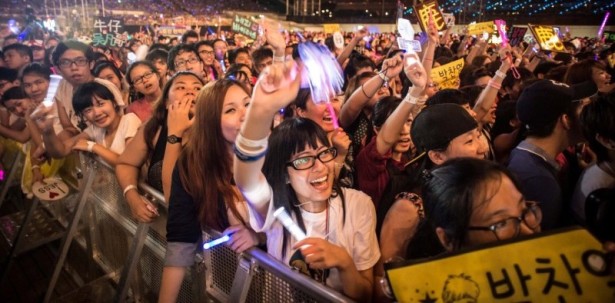
The chronology of this experience often starts with an accidental encounter on social media platforms such as YouTube or TikTok, where the high-definition aesthetics and synchronized choreography of the genre act as a visual catalyst. From this point, the fan enters a series of developmental stages that dictate their consumption habits, social interactions, and even their psychological well-being.
Phase One: The Introductory and Investigative Stages
The "Introductory Stage" is frequently marked by a sense of cultural and sensory disorientation. For observers in Western or non-Asian markets, the initial exposure to K-pop often presents a "sensory overload." This is characterized by vibrant, high-budget music videos—often referred to as "neon box sets"—and "gender-bending" fashion choices that challenge traditional Western norms of masculinity and femininity. During this stage, many potential fans experience a degree of pushback. The genre can appear "gimmicky" or overly manufactured. A common phenomenon during this phase is the "bias group loyalty" barrier, where fans of established groups may view newcomers with suspicion. For instance, in the early 2010s, the emergence of BTS was often met with skepticism by fans of B.A.P, who perceived stylistic overlaps as a lack of originality—a sentiment that highlights the competitive nature of early-stage fandom.
However, this skepticism often gives way to the "Investigative Stage." Driven by the "earworm" nature of K-pop production—exemplified by complex, multi-genre tracks like Girls’ Generation’s "I Got a Boy"—individuals begin a self-directed deep dive. The YouTube recommendation algorithm plays a pivotal role here, transitioning the observer from a casual listener to an active researcher. This stage is critical for the industry, as it marks the transition from passive consumption to active engagement.

Phase Two: The Obsessive Stage and the Fandom Economy
The most transformative period in the fan lifecycle is the "Obsessive Stage." This is where the consumer becomes a "stan" (a portmanteau of "stalker" and "fan," though now used to describe a dedicated enthusiast). During this phase, the fan adopts the specialized lexicon of the community, learning terms such as "bias" (a favorite member), "ultimate bias" (a favorite idol across all groups), and "bias wreckers" (members who challenge one’s primary loyalty).
The psychological impact of this stage is profound. Fans often report putting their personal lives on hold to follow livestreams, participate in digital voting for music shows, and engage in "streaming parties" to boost a group’s chart performance. This behavior is encouraged by the K-pop business model, which utilizes platforms like Weverse and Bubble to facilitate direct-to-fan communication. These platforms create a sense of intimacy that fuels the obsessive stage, making the fan feel like a vital participant in the idol’s success. Industry analysts note that this stage is where the "fandom economy" thrives, as fans are most likely to purchase multiple versions of physical albums, high-priced concert tickets, and branded merchandise.
Phase Three: Denial and the Acknowledgement of Burnout
As the intensity of the obsessive stage peaks, fans often enter a "Denial Stage." This is characterized by a refusal to acknowledge the disproportionate amount of time and financial resources being dedicated to the fandom. Cultural critics often point to the "Ring Ding Dong" effect—named after the SHINee song known for its addictive quality—where the repetitive consumption of content begins to interfere with professional or academic responsibilities.

The "Acknowledgement Stage" follows, usually triggered by external pressures or internal exhaustion. This is the moment of clarity where the fan recognizes the "bags under their eyes" or the "stack of overdue assignments." In the digital age, this realization often leads to a "semi-hiatus," a term used in the community to describe a temporary withdrawal from social media and fandom activities. This stage is a necessary defense mechanism against "fandom burnout," a phenomenon increasingly studied by sociologists looking at digital communities.
Phase Four: Rehabilitation and the Relapse Cycle
The "Rehabilitation Stage" represents an attempt to reintegrate into a "normal" lifestyle. Fans may try to diversify their musical tastes or limit their social media intake to avoid "late-night livestreams." During this period, individuals regain the ability to engage in social interactions that do not revolve around K-pop news, such as an idol’s new hair color or a group’s recent "daesang" (grand prize) win.
However, the "Relapse Stage" is a frequent occurrence. The K-pop industry is built on a "comeback" cycle—a constant stream of new music, variety shows, and social media updates designed to pull fans back in. The guilt of "missing out" on a group’s milestone can be a powerful motivator. A fan who has been away for weeks may return with renewed vigor, attempting to compensate for lost time by increasing their engagement, thereby restarting the cycle.

The Final Evolution: Equilibrium vs. Renouncement
Ultimately, the fan lifecycle concludes in one of two ways: "The Balanced Stage" or "The Renouncement."
- The Balanced Stage: This is the ideal outcome for both the fan and the industry. The individual achieves a "yin and yang" harmony, enjoying the music and community without allowing it to dominate their existence. These fans represent the long-term "legacy" base of a group, providing steady support over years or even decades.
- The Renouncement: Some fans choose to walk away entirely. This can be due to natural maturation—moving from teenage years into adulthood where priorities shift—or due to negative experiences within the fandom, such as "fan wars" or scandals involving an idol. The departure of a "bias" from a group is often the final catalyst for renouncement, as the emotional anchor of the fandom is removed.
Implications for the Global Music Industry
The structured nature of the K-pop fan journey has significant implications for the broader music industry. Traditional Western artists are increasingly adopting K-pop strategies—such as elaborate physical album packaging and frequent social media interaction—to replicate this level of fan devotion.
Data from Luminate’s 2023 Year-End Music Report suggests that K-pop fans are 69% more likely to purchase physical music than the average US music listener. This loyalty is not accidental; it is the result of the fan lifecycle described above. The ability of the K-pop industry to move a consumer through these stages—from a confused observer to a balanced, long-term supporter—is a masterclass in modern brand management.

Conclusion
The journey of a K-pop fan is a complex interplay of psychology, digital marketing, and community dynamics. While the stages of fandom can be intense and sometimes taxing, they offer a sense of belonging and a unique form of cultural expression for millions of people worldwide. As the Hallyu wave continues to evolve, the lifecycle of its fans will remain the engine of its success, proving that in the modern era, the relationship between the artist and the audience is as much about the journey as it is about the music. Whether a fan reaches a state of balance or eventually moves on, the experience often leaves a lasting impact on their digital and social identity, marking K-pop as a defining cultural force of the 21st century.