The Psychological and Social Evolution of K-pop Fandom: Analyzing the Lifecycle of Global Hallyu Enthusiasts
Article Editorial Team

The global ascent of South Korean popular music, commonly known as K-pop, has transformed from a regional niche into a multi-billion-dollar international phenomenon. Central to this growth is a unique and highly structured fandom culture that distinguishes itself from Western music consumption through its intensity, digital savvy, and emotional investment. As the Hallyu wave continues to expand, sociologists and industry analysts have observed a consistent pattern in the psychological journey of the average fan. This progression, characterized by distinct stages ranging from initial skepticism to total immersion and eventual stabilization, provides a framework for understanding how K-pop captures and retains a diverse global audience.
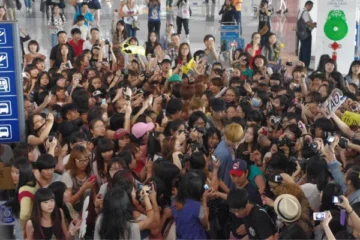
The Macro-Context: The Rise of Hallyu 2.0
To understand the individual fan’s journey, one must first consider the broader industry context. The "First Generation" of K-pop, led by groups like H.O.T. and S.E.S. in the late 1990s, was primarily a domestic success. However, the advent of "Hallyu 2.0" in the late 2000s and early 2010s—driven by digital platforms like YouTube and social media—allowed groups such as Girls’ Generation, BIGBANG, and later BTS and BLACKPINK to penetrate Western markets. According to the International Federation of the Phonographic Industry (IFPI), South Korea has consistently ranked among the top ten music markets globally, with K-pop driving significant growth in physical album sales and digital streaming. This industrial powerhouse relies on a sophisticated "Idol System," where trainees undergo years of rigorous preparation in dance, vocals, and media relations, resulting in the high-polish product that initiates the fan lifecycle.
Stage I: The Introductory Phase and Cultural Dissonance
The initial encounter with K-pop is often marked by a sense of "sensory overload" and cultural dissonance. For observers in Western or non-Asian markets, the aesthetic of K-pop can be jarring. The use of vibrant, neon-lit sets, high-budget music videos, and what is often described as "gender-bending" fashion—where male idols embrace makeup and soft masculinity—frequently leads to an initial rejection of the genre.
Journalistic analysis suggests that many fans begin as "casual and rather confused observers." The precision of the choreography and the often experimental nature of the music, which frequently blends multiple genres such as hip-hop, EDM, and bubblegum pop, can be perceived as gimmicky or manufactured. During this stage, newcomers often compare new groups to established ones, sometimes with a degree of cynicism. For example, during the rise of BTS in 2013, many fans of the then-dominant group B.A.P. dismissed the newcomers as derivative. This protective instinct over existing preferences is a hallmark of the early stages of the K-pop experience, where the unfamiliarity of the system creates a barrier to entry.
Stage II: The Investigative Phase and the Digital Rabbit Hole
The transition from observer to investigator usually begins when a specific song or visual element lingers in the subconscious. A prime example cited by many long-term fans is Girls’ Generation’s 2013 hit "I Got a Boy." Upon its release, the track was criticized for its disjointed, multi-tempo structure; however, its complexity invited repeated listens.

In this stage, curiosity overrides initial skepticism. The fan begins a tentative search on platforms like YouTube or TikTok, often under the guise of "fairness" or "research." The algorithmic nature of these platforms plays a crucial role here. Once a user engages with one K-pop video, the recommendation engine provides a curated stream of content, including "funny moments" compilations, dance practice videos, and "behind-the-scenes" reality shows. This stage is critical because it moves the focus from the music alone to the personalities of the idols, laying the groundwork for a parasocial relationship.
Stage III: Total Immersion and the Parasocial Bond
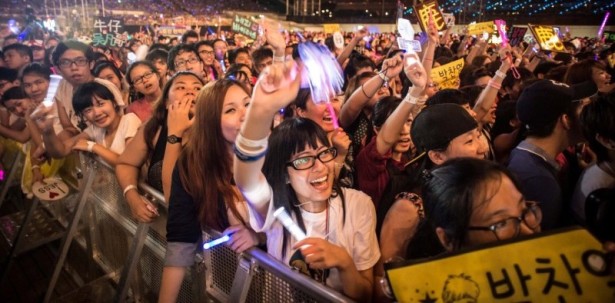
The third stage is characterized by a rapid descent into "total fandom," where the consumer’s identity begins to align with the group. This is the period where technical terminology enters the fan’s vocabulary. They begin to identify their "Bias" (a favorite member) and their "Ultimate Bias" (the favorite across the entire industry), while struggling with "Bias Wreckers" (members who threaten to change their preference).
During this obsessive phase, the fan’s daily routine is often restructured around the idol’s schedule. The "Comeback" cycle—the period when a group releases new music—becomes a high-stakes event involving coordinated streaming parties, digital voting for music shows, and the purchasing of multiple album versions to collect "photocards." Data from the Hyundai Research Institute suggests that the economic impact of a single top-tier group like BTS contributes billions to the South Korean GDP annually, a feat made possible by fans in this stage who view financial support as a moral obligation to ensure their idols’ success.

Stage IV: The Denial of Addiction and Social Impact
As the fandom consumes more time and financial resources, many individuals enter a stage of denial. The psychological attachment to idols is often criticized by non-fans as an "obsession," a label that devotees frequently reject. This period is marked by a deep emotional investment where the success or failure of an idol is felt personally by the fan.
The social impact of this stage is significant. Fans may neglect real-world responsibilities or distance themselves from friends who do not share their interests. This is often exacerbated by the "always-on" nature of K-pop content, where livestreams on platforms like Weverse or V-Live (now integrated) can occur at any hour due to time zone differences. The fan becomes part of a digital "echo chamber," where the internal logic of the fandom takes precedence over external reality.
Stage V: Burnout and the Acknowledgement of Dependency
Inevitably, the intensity of total immersion leads to a "depressing slump" or burnout. This stage often coincides with real-world consequences: declining academic performance, financial strain from purchasing merchandise, or emotional fatigue from "fan wars" (conflicts between different fandoms).

Acknowledgement occurs when the fan recognizes that their happiness has become entirely dependent on the actions of individuals they have never met. The realization that idols are human beings with their own lives, often punctuated by scandals or mandatory military enlistment (a unique factor in the K-pop lifecycle), can shatter the illusion of the perfect idol. This is the point where many fans announce a "semi-hiatus" from social media, attempting to reclaim their personal lives.
Stage VI: Rehabilitation and the Attempted Exit
Rehabilitation involves a conscious effort to return to "normalcy." This includes re-establishing a healthy sleep schedule, diversifying music tastes, and engaging in social interactions that do not revolve around K-pop. For many, this is a period of "detox," where they intentionally avoid checking Twitter (now X) for updates or watching new music videos. The goal is to prove that they can function without the constant stimulation of the Hallyu wave.
Stage VII: The Relapse and the "Comeback" of the Fan
The "Relapse Stage" is a common phenomenon in the K-pop community. Because the industry is designed to be addictive, with constant content releases and a sense of FOMO (fear of missing out), many fans find themselves drawn back in. The trigger is often a "Daesang" (Grand Prize) win at a major award show or a teaser for a highly anticipated comeback. The guilt of "abandoning" the group during their absence often leads to an even more intense period of devotion, as the fan tries to make up for lost time.

The Final Trajectory: Balance versus Renouncement
Ultimately, the lifecycle of a K-pop fan concludes in one of two ways:
- The Balanced Stage: The individual achieves a "harmony of yin and yang." They remain a fan but have developed the emotional maturity to enjoy the music and content without it consuming their identity. They accept that they cannot attend every concert or buy every album, and they no longer feel personally affected by industry gossip. This represents the "mature fan" who provides the long-term stability for a group’s career.
- The Renouncement: Some fans naturally outgrow the genre. As they move into different life stages—such as entering the workforce or starting families—the high-energy, time-consuming nature of K-pop fandom may no longer fit their lifestyle. In some cases, the departure of a favorite member or a significant controversy within the group serves as the final catalyst for leaving the fandom entirely.
Implications and Future Outlook
The lifecycle of the K-pop fan serves as a blueprint for the modern digital consumer. The "Idol-Fan" relationship is a masterclass in brand loyalty and emotional marketing. As entertainment companies like HYBE, SM Entertainment, and JYP Entertainment continue to expand their global footprint, understanding these stages becomes vital for both marketers and sociologists.
The K-pop phenomenon demonstrates that music is no longer just an auditory experience; it is a holistic lifestyle that offers community, identity, and an escape from reality. While the stages of fandom can be tumultuous, the majority of participants emerge with a positive view of the experience, having gained digital skills, cross-cultural understanding, and a sense of belonging to a global community. As the industry evolves into the "Fifth Generation" of idols, the cycle will undoubtedly begin anew for a fresh wave of global enthusiasts.
Related News