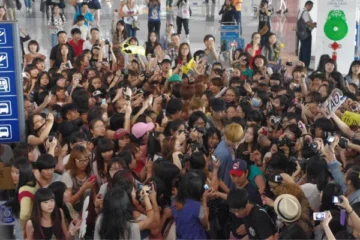
The Psychological and Sociological Evolution of the Global K-pop Fandom Lifecycle
Article Editorial Team

The global ascent of Korean popular music, widely known as K-pop, has transformed from a regional cultural export into a multi-billion-dollar international phenomenon. Central to this meteoric rise is the unique and intensive nature of its fandom. Unlike traditional music consumption patterns, K-pop engagement often follows a structured psychological trajectory, moving from initial exposure to deep immersion, and eventually toward either sustainable integration or total renouncement. This lifecycle is driven by a sophisticated "idol system" designed by South Korean entertainment agencies to foster intense parasocial relationships and high levels of digital and financial participation. Understanding these stages provides insight into the broader mechanics of modern digital subcultures and the economic impact of the Hallyu (Korean Wave) movement.
Historical Context and the Rise of the Global Idol System
The modern K-pop fandom structure finds its roots in the early 1990s with the debut of Seo Taiji and Boys, who introduced Western-style pop and hip-hop to the Korean mainstream. This evolution continued through the "First Generation" of idols, such as H.O.T. and S.E.S., where the foundations of organized fan clubs were laid. However, it was the "Third and Fourth Generations"—characterized by groups like BTS, BLACKPINK, and Stray Kids—that utilized social media to globalize the fan experience.
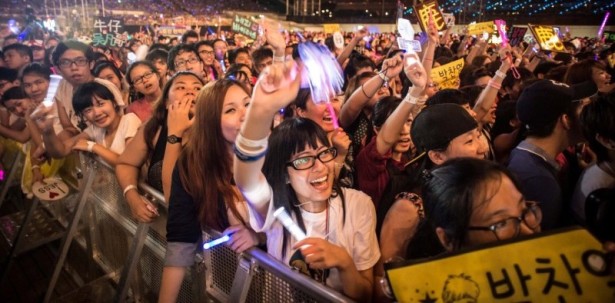
According to data from the International Federation of the Phonographic Industry (IFPI), South Korea has consistently ranked as one of the fastest-growing music markets in the world, with K-pop driving a significant portion of global physical album sales. In 2023, K-pop artists accounted for a staggering 19 of the top 20 spots on the IFPI Global Album Sales Chart. This commercial success is predicated on a consumer journey that is significantly more complex than that of Western pop music.
Phase I: Initial Exposure and Cognitive Dissonance
The introductory stage of K-pop fandom is frequently characterized by a mixture of curiosity and skepticism. For many international observers, the first encounter with a K-pop music video (MV) presents a sensory overload. The high-budget production values, synchronized choreography, and unconventional fashion choices—often blending gender-neutral aesthetics with avant-garde streetwear—can create a sense of "otherness."
During this investigative stage, the consumer often experiences what sociologists call "cognitive dissonance." They may find the music "catchy" but remain put off by the perceived artifice of the idol system. However, the algorithmic nature of platforms like YouTube and TikTok plays a crucial role here. A single search for a group like SNSD (Girls’ Generation) or Big Bang often triggers a cascade of recommendations, leading the observer to discover "behind-the-scenes" content, variety show appearances, and "crack videos" (fan-edited humorous compilations). This secondary content is vital; it humanizes the performers, transitioning them from distant "idols" to relatable personalities.

Phase II: Deep Immersion and the Peak of Parasocial Engagement
Once the initial barriers are breached, the fan enters an "Obsessive Stage." This is the most economically and emotionally significant phase for the industry. The consumer begins to learn the names, birthdays, and specific roles of each group member. The concept of the "bias"—a favorite member—and the "bias wrecker"—a member who threatens to usurp that favorite—is introduced.
The Role of Digital Platforms
The immersion is facilitated by dedicated communication apps such as Weverse, Bubble, and the now-defunct V Live. These platforms allow idols to send direct messages, photos, and live stream their daily lives to fans. This creates a powerful parasocial bond, where the fan feels a personal connection to the artist’s success and well-being.
Data from Twitter (now X) revealed that in recent years, there have been over 7.8 billion tweets about K-pop annually. This digital ecosystem ensures that the fan is constantly stimulated. The "Denial Stage" often occurs here, where the fan prioritizes fandom activities—such as streaming new releases to break YouTube records or participating in "fan wars" to defend their group’s reputation—over personal responsibilities.

Phase III: The Saturation Point and Psychological Realignment
The intensity of the immersion phase is rarely sustainable over the long term. Fans eventually reach an "Acknowledgement Stage," where the physical and mental toll of constant engagement becomes apparent. Symptoms include "fandom burnout," characterized by exhaustion from the relentless pace of "comebacks" (new album releases) and the financial pressure of purchasing multiple album versions, concert tickets, and merchandise.
Chronology of Fandom Fatigue
- The High Point: Total immersion, high financial spending, and social media dominance.
- The Trigger: A personal life conflict (academic pressure, job requirements) or a fandom-related disappointment (scandals, group hiatus, or members enlisting in the military).
- The Withdrawal: A conscious effort to limit screen time and disengage from "stan" culture.
- Rehabilitation: A return to previous hobbies or musical interests, often accompanied by a "semi-hiatus" from social media.
This period of rehabilitation is a critical juncture. The fan must decide if their relationship with the genre can be salvaged through a more balanced approach or if the connection must be severed entirely.
Phase IV: The Relapse and the Integration of "The New Normal"
The "Relapse Stage" is a common phenomenon in K-pop culture. Because the industry is built on cyclical "comebacks," a fan who has distanced themselves may be drawn back in by a particularly compelling new concept or a nostalgic reunion. However, the return is usually marked by a different psychological profile.

In the "Balanced Stage," the fan adopts a more pragmatic approach. They may still enjoy the music and occasionally purchase merchandise, but they no longer feel the compulsive need to participate in every digital movement or defend the artist against every critique. This stage represents the "maturation" of the fan, where K-pop becomes a sustainable part of their lifestyle rather than an all-consuming identity.
The Path of Renouncement: Why Fans Leave
Conversely, a segment of the population moves toward "The Renouncement." This departure is often driven by several factors:
- Life Stage Transitions: As fans move from adolescence into adulthood, the "idol" appeal may diminish.
- Ethical Concerns: Increasing awareness of the grueling training systems, mental health struggles of idols, and the environmental impact of physical album production can lead to a moral decoupling from the industry.
- Loss of Interest: The departure of a "bias" or a shift in a group’s musical direction can break the emotional tether that held the fan in place.
Economic and Sociocultural Implications
The lifecycle of a K-pop fan is not merely a personal journey; it is a significant driver of South Korea’s "Soft Power." According to the Hyundai Research Institute, the economic impact of a single group like BTS has been estimated to be worth over $3.6 billion annually to the South Korean economy. This includes tourism, the export of consumer goods (cosmetics, food), and the global spread of the Korean language.

The industry’s ability to move fans through these stages—particularly keeping them in the "Obsessive" and "Balanced" phases—is a masterclass in modern marketing. By gamifying the music-listening experience (through music show voting and collectible photo cards), entertainment agencies have transformed music from a passive auditory experience into an active, competitive, and social lifestyle.
Conclusion: The Resilience of the K-pop Model
While the stages of fandom can be volatile, the K-pop ecosystem has proven remarkably resilient. By acknowledging the psychological journey of their audience, agencies continue to refine their strategies to prolong the immersion phase and minimize the impact of the renouncement phase. For the fan, the journey through these stages often results in a broader appreciation for international culture and the development of digital literacy skills, provided a healthy balance is maintained.
As the industry moves into the "Fifth Generation" of idols, characterized by even more integrated AI and metaverse experiences, the stages of fandom are likely to become even more digitally complex. However, the core human element—the desire for community, identity, and connection—remains the driving force behind the global K-pop phenomenon. Whether a fan remains a lifelong devotee or eventually moves on, the experience of navigating the K-pop lifecycle leaves a lasting imprint on their cultural and social identity.
Related News