The Psychological Evolution of Global Music Consumption: A Comprehensive Analysis of the Seven Stages of K-pop Fandom
Article Editorial Team

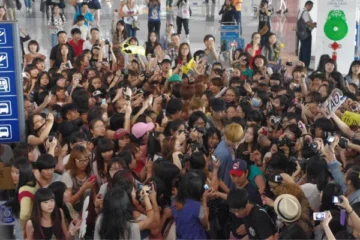
The global ascent of Korean popular music, commonly known as K-pop, has transformed from a regional subculture into a dominant force in the international music industry, generating billions of dollars in annual revenue and fostering a unique psychological journey for its consumers. This phenomenon, often referred to as the "Hallyu" or Korean Wave, is characterized not merely by the music itself but by a highly structured and immersive fandom experience. Sociologists and industry analysts have noted that the transition from a casual listener to a dedicated "stan" follows a predictable, multi-stage trajectory. This progression involves a complex interplay of sensory stimulation, digital investigative behavior, and the development of parasocial relationships, eventually leading to a state of total immersion that necessitates a delicate balance between digital engagement and real-world responsibilities.
The Global Context of the Hallyu Phenomenon
To understand the stages of fandom, one must first recognize the scale of the industry. According to the International Federation of the Phonographic Industry (IFPI), South Korea has consistently ranked as one of the fastest-growing music markets in the world. The success of groups such as BTS, BLACKPINK, and their predecessors like Girls’ Generation and BIGBANG, is rooted in a "total package" marketing strategy that combines high-fidelity audio production, intricate choreography, and high-budget visual storytelling. This infrastructure creates an entry point for international audiences that is often starkly different from Western music consumption patterns.
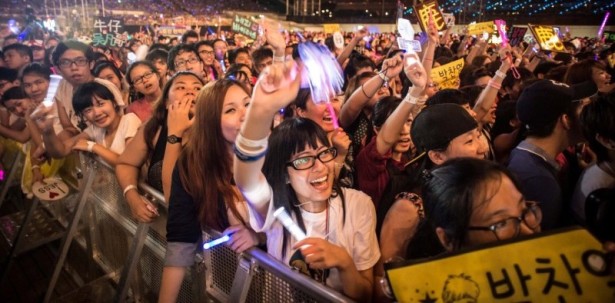
Stage One: The Introductory Encounter and Sensory Overload
The initial stage of the K-pop journey is frequently marked by a mixture of curiosity and profound confusion. For the uninitiated, particularly those in Western markets, the first encounter with a K-pop music video—such as Girls’ Generation’s "I Got a Boy" or B.A.P’s "Warrior"—can be a sensory overload. The industry utilizes "neon box sets," gender-fluid fashion, and a level of synchronized dancing precision that is rarely seen in other genres.
During this stage, the observer remains objective and often critical. The highly polished nature of the content can appear "gimmicky" or "manufactured" to those accustomed to the "authentic" aesthetic of indie or rock genres. There is also a defensive mechanism among existing fans; for instance, when BTS first rose to prominence, many fans of established groups like B.A.P or EXO viewed the newcomers as "copycats" or "rip-offs," a sentiment rooted in the fierce loyalty that characterizes the K-pop ecosystem.
Stage Two: The Investigative Phase and Digital Curiosity
The second stage begins when a specific melody or visual remains in the observer’s subconscious. In the digital age, this is fueled by the sophisticated algorithms of platforms like YouTube and TikTok. A casual search for a single song often leads to a "rabbit hole" of recommended content.

Industry data suggests that K-pop fans are among the most active digital consumers globally. On Twitter (now X), K-pop-related posts consistently reach billions of impressions annually. During the investigative stage, the potential fan moves from watching music videos to exploring "behind-the-scenes" content, variety show appearances, and reality programs. This is where the industry’s strategy of "humanizing" idols begins to take effect, as the consumer starts to distinguish between individual members of a group, moving beyond the music to the personalities involved.
Stage Three: The Obsessive Phase and the Descent into the "Abyss"
The third stage represents a significant psychological shift where the consumer becomes a participant. This is characterized by the adoption of fandom-specific terminology, such as selecting a "bias" (a favorite member) and an "ultimate bias" (a favorite idol across the entire industry).
At this juncture, the fan’s digital behavior changes. They may create dedicated social media accounts to track their favorite group’s activities, participate in "streaming parties" to boost chart rankings, and engage in "fandom labor"—unpaid promotional work intended to increase the group’s global visibility. The parasocial relationship—a one-sided emotional bond where the fan feels a deep personal connection to the idol—becomes a primary driver of behavior. This stage is often the most time-consuming, as fans prioritize "comeback" schedules and live streams over their personal social lives or professional obligations.

Stage Four: Behavioral Denial and Identity Integration
As the obsession deepens, fans often enter a stage of denial regarding the impact of their hobby on their lifestyle. The K-pop industry is designed to be "always-on," with a constant stream of content including "V-Lives" (now Weverse lives), "Bubbles" (private messaging apps), and promotional cycles that can last for weeks.
In this stage, the fan may ignore external criticisms from friends or family, viewing their involvement not as an addiction but as a core component of their identity. The repetition of content, such as listening to a single track hundreds of times to support digital sales, becomes a normalized behavior. This level of dedication is what allows K-pop groups to dominate social media awards and global charts, even when their radio play in Western markets remains limited.
Stage Five: The Acknowledgement of Burnout
Eventually, the intensity of stage three and four often leads to a "depressing slump" or burnout. This stage is characterized by a realization of the real-world consequences of excessive fandom: neglected academic or professional duties, physical fatigue from late-night streaming (often due to time zone differences with South Korea), and the emotional toll of "fandom wars" (conflicts between different fan groups).

The acknowledgement stage often coincides with internal fandom drama or the "departure" of a member from a group, which can shatter the illusion of the perfect idol world. This period of reflection leads many fans to announce a "semi-hiatus," where they intentionally distance themselves from social media to regain control over their personal lives.
Stage Six: The Rehabilitation and Normalization Process
Rehabilitation involves a conscious effort to return to a "normal" lifestyle. This includes re-establishing regular sleep patterns and diversifying music consumption. During this phase, the individual may find they are once again capable of engaging in conversations that do not revolve around G-Dragon’s hair color or the latest "daesang" (grand prize) winner.
This stage is critical for the long-term mental health of the consumer. It allows for the transition from an obsessive fan to a "casual enthusiast" who can appreciate the music without the emotional volatility that characterized the earlier stages of their journey.

Stage Seven: The Relapse and the Power of the ‘Comeback’
Despite the efforts made in the rehabilitation stage, the K-pop industry is expertly designed to trigger "relapses." The "comeback" cycle—a period where a group releases new music accompanied by a total aesthetic overhaul—is a powerful marketing tool.
The feelings of guilt for "missing out" on a group’s success or the visual temptation of a new concept can pull a fan back into the cycle. Many fans find themselves more attached than ever after a period of absence, attempting to "make up for lost time" by increasing their engagement and financial support for the group.
The Dual Pathways: Balanced Consumption versus Renouncement
Following the cycle of the seven stages, most fans eventually settle into one of two final states:

- The Balanced Stage: This is the most sustainable outcome. The fan recognizes that they can enjoy the music and the community without letting it dominate their life. They achieve a "harmony" between their digital interests and their physical reality, indulging in content within safe limits.
- The Renouncement: Some individuals find that they have naturally outgrown the genre. This may be due to changing life stages, such as entering the workforce, or a loss of interest after a specific group disbands or completes their mandatory military service (a common occurrence in the South Korean industry). For these individuals, K-pop was a chapter of their lives—often linked to the emotional intensity of youth—that has reached its conclusion.
Broader Impact and Industry Implications
The trajectory of K-pop fandom offers significant insights into the future of global entertainment. The "stanship" model pioneered in South Korea is now being adopted by Western artists and brands who seek the same level of consumer loyalty and digital engagement.
However, the intensity of these fandom stages also raises questions about the ethical responsibilities of entertainment companies. The "always-on" nature of the industry can lead to exhaustion for both the idols and the fans. As the market continues to expand, there is a growing movement within the community toward "healthy fandom," emphasizing that one’s love for an artist should not come at the expense of one’s well-being. Ultimately, the journey through the stages of K-pop fandom is a testament to the power of music to cross cultural boundaries and create deep, albeit complex, emotional connections in a digital world.
Related News