The Societal Influence and Ethical Debate Surrounding Plastic Surgery in South Korea’s Entertainment and Public Spheres
Article Editorial Team

The presence of cosmetic enhancement in the South Korean entertainment industry has evolved from a whispered rumor to a central pillar of public discourse, reflecting a broader societal shift toward the normalization of surgical intervention. Within the dense landscape of K-pop and Korean television, it is nearly impossible to navigate celebrity news without encountering discussions regarding plastic surgery. Search engine algorithms on platforms such as Google, Naver, and Daum frequently prioritize queries related to a star’s physical transformation, often pairing celebrity names with terms like "before and after" or "surgical history." This fascination has fostered a culture of minute analysis where fans and critics alike scrutinize facial features for evidence of the "knife," turning online forums into arenas for debate over the ethics and aesthetics of beauty.
While many celebrities maintain a strategic silence regarding their procedures, a recent public exchange between solo artist G.NA and comedian Lee Yoon-suk has brought the complexities of the issue into sharper focus. During a televised discussion, Lee Yoon-suk voiced a conservative stance, expressing disapproval of his wife potentially seeking plastic surgery. He framed the act as a "violation of the marriage oath," arguing against the notion that such procedures are primarily performed for self-fulfillment. G.NA, however, challenged this perspective, advocating for the importance of personal satisfaction and happiness. She cited her grandfather’s hair transplant as a catalyst for his improved mental well-being, suggesting that for many, altering one’s appearance serves as a critical boost to self-esteem. This debate highlights the tension between traditional values and the modern, individualized pursuit of a perceived physical ideal.
The Statistical Reality of the Beauty Belt
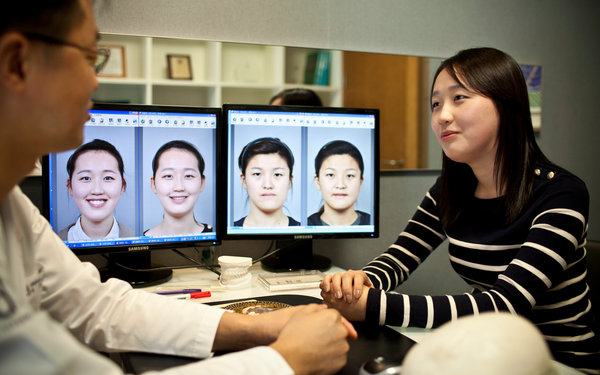
The debate surrounding G.NA’s comments does not exist in a vacuum; it is supported by staggering statistical data that identifies South Korea as the global capital of plastic surgery. According to data from the International Society of Aesthetic Plastic Surgery (ISAPS), South Korea consistently maintains the highest rate of cosmetic procedures per capita in the world. In Seoul’s affluent Gangnam district, specifically the Apgujeong neighborhood known as the "Beauty Belt," over 400 specialized clinics operate within a few square miles.
Marketing for these procedures is ubiquitous, with advertisements prominently displayed in subway stations, on buses, and across digital platforms. The commercialization of beauty has reached a point where certain procedures, such as blepharoplasty (double eyelid surgery) and rhinoplasty (nose reshaping), are often gifted to high school graduates by their parents. This cultural normalization suggests that the decision to undergo surgery is frequently viewed less as a radical transformation and more as a routine step in personal grooming and professional preparation.
The Miss Daegu Controversy and the Homogenization of Beauty
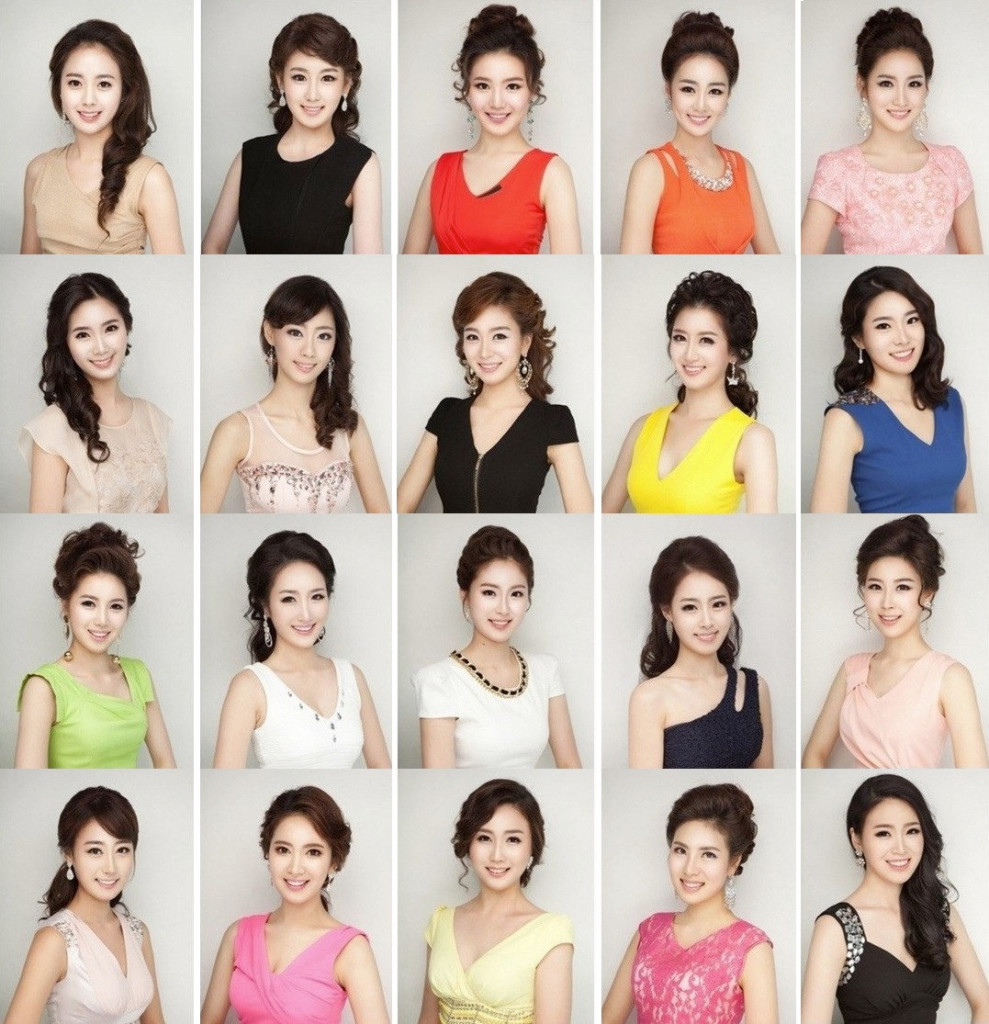
The implications of this widespread surgical culture were starkly illustrated during the 2013 Miss Korea pageant circuit. A viral image featuring twenty candidates for the Miss Daegu title sparked international headlines due to the striking physical similarities between the contestants. The women shared nearly identical features: large, almond-shaped eyes with pronounced double eyelids, high and narrow nose bridges, pale complexions, and tapered "V-line" jawlines.

Critics argued that the image represented a "cloning" effect, where the diverse natural beauty of Korean women was being replaced by a singular, manufactured template of perfection. While the contestants were undeniably beautiful by conventional standards, the lack of facial diversity raised concerns about the "mass production" of beauty. This phenomenon suggests that when a specific aesthetic becomes the sole benchmark for success in high-profile arenas like beauty pageants and entertainment, the pressure to conform overrides individual identity.
Media as a Catalyst for National Standards
The role of the South Korean media in propagating these standards cannot be understated. K-pop idols and television actors serve as the primary ambassadors for the "ideal face." Unlike in Western media markets, where voices like Tina Fey or Lena Dunham have occasionally critiqued the impossible laundry list of required physical attributes, the South Korean media landscape lacks a robust counter-narrative. In her memoir Bossypts, Fey satirized the American expectation for women to possess a mosaic of ethnic traits—"Caucasian blue eyes, full Spanish lips, a classic button nose, and hairless Asian skin"—noting that the pursuit of such a look is an exercise in futility.
In contrast, South Korean celebrities who do not fit the narrow definition of "idol-like" beauty are often relegated to specific comedic roles. Figures such as Kim Shin-young or Jung Ju-ri frequently center their variety show acts on self-deprecating humor regarding their appearance. When the media consistently rewards a specific surgically-enhanced look with leading roles and lucrative endorsement deals while mocking those who deviate from it, it creates a powerful incentive for the general public to seek out similar enhancements. The "natural beauty" label remains a rare and highly prized headline, yet even these claims are often met with skepticism from a public accustomed to the ubiquity of cosmetic intervention.

The Economic and Professional Pressures of Lookism
Beyond the entertainment sector, the pressure to undergo plastic surgery is deeply rooted in South Korea’s competitive job market. The phenomenon known as "lookism"—discrimination based on physical appearance—has a tangible impact on employment prospects. It is common practice for South Korean resumes to require a professional photograph, and many job seekers believe that a "refined" appearance provides a competitive edge during the interview process.
In this context, G.NA’s argument for "personal satisfaction" takes on a more pragmatic tone. If surgical enhancement is perceived as a necessary tool for social and professional mobility, the decision becomes less about vanity and more about survival in a hyper-competitive society. For many young South Koreans, the cost of a procedure is viewed as an investment in their future earnings and social standing. This shift moves the practice of plastic surgery from the realm of elective luxury into the category of essential social capital.
The Ethical Implications of the "Vicious Cycle"
The normalization of these procedures has led to the rise of increasingly invasive surgeries, such as bimaxillary osteotomy, commonly known as "double jaw surgery." Originally developed to correct functional dental and skeletal misalignments, the procedure has been rebranded as a cosmetic tool to achieve a slimmer face. Despite the significant risks and lengthy recovery periods associated with such major surgery, its popularity continues to grow, fueled by celebrity testimonials and clinic marketing.
The ethical concern lies in the "vicious cycle" created by the validation of these standards. When society, the media, and even the dating market exclusively reward a manufactured ideal, it reinforces the notion that one’s natural features are "deficiencies" that require correction. This environment compromises the concept of "personal choice," as the decision is often made under the duress of societal exclusion or professional disadvantage. As noted in various reports by The New York Times and the International Business Times, the convergence of technology, media influence, and economic pressure has created a landscape where the "ideal" is no longer an aspiration but a requirement.
Moving Toward a More Inclusive Dialogue
Despite the prevailing trends, there are nascent signs of a shifting dialogue within South Korea. Some groups and public figures have begun to advocate for "self-acceptance" and the celebration of diverse beauty standards. The honesty of certain celebrities, who have begun to speak more openly about the pain and complications associated with their surgeries, offers a more grounded perspective compared to the glossy advertisements of the Beauty Belt.
For a meaningful change to occur, the South Korean media must play a pivotal role in diversifying the images of beauty it chooses to celebrate. Until there is a space for voices that challenge the singular aesthetic "ideal," the pressure to conform will likely remain a dominant force in South Korean life. The debate sparked by G.NA and the visual evidence of the Miss Daegu contestants serve as reminders that while the skill of South Korean surgeons is world-renowned, the societal cost of that perfection is a subject that requires ongoing and honest examination.

The intersection of individual happiness and societal expectation remains a complex frontier. While G.NA is correct that personal satisfaction is a valid motivator, the reality is that in a society where beauty is standardized and commodified, the "personal" decision is rarely made in isolation. As South Korea continues to influence global trends in music, film, and fashion, its internal struggle with beauty standards will likely serve as a significant case study for other nations navigating the rise of cosmetic technology and its impact on the human psyche.
Related News