The global expansion of South Korean pop music, commonly known as K-pop, has been fueled by a level of fan dedication that is arguably unparalleled in the modern music industry. These fans, organized into highly structured collectives, are known for orchestrating massive philanthropic projects, donating thousands of dollars to charities in their idols’ names, and commissioning elaborate "rice wreaths" to celebrate concert milestones. However, this intense devotion often masks a more volatile reality. While the positive contributions of fandoms are frequently highlighted, a series of high-profile incidents involving artists from SM Entertainment and YG Entertainment has brought the "gritty" side of K-pop culture into sharp focus, revealing a pattern of harassment, entitlement, and physical danger that continues to challenge the industry’s stability.
Digital Harassment and the Erasure of Privacy
In mid-2013, the digital landscape of K-pop became a primary battleground for fan-led harassment. One of the most prominent examples involved Krystal Jung, a member of the girl group f(x). Krystal was forced to deactivate her Instagram account, @kjungxox, following a barrage of cyberbullying and multiple hacking attempts. The catalyst for this aggression was not a scandal or a professional misstep, but rather a digital interaction involving G-Dragon, the leader of the globally renowned group BIGBANG.
After G-Dragon "liked" several of Krystal’s photos on the social media platform, rumors of a potential romantic connection began to circulate among "shippers" and obsessive followers. In response, a subset of G-Dragon’s fanbase launched a coordinated campaign against Krystal, flooding her comment sections with vitriol and attempting to gain unauthorized access to her account. This incident highlighted a recurring theme in K-pop: the perceived "ownership" of male idols by their female fanbases, where any female peer seen as a potential romantic interest is treated as a threat to be neutralized through digital intimidation.
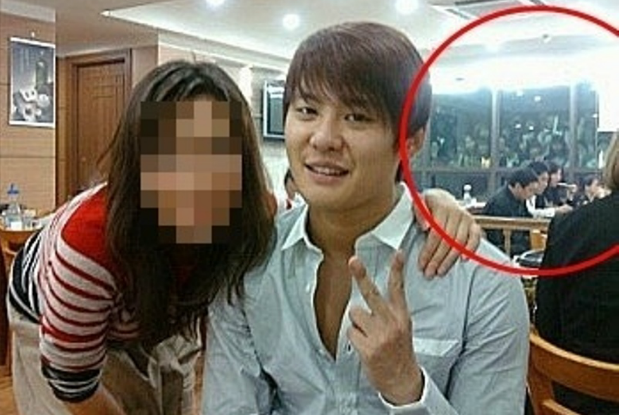
A similar dynamic was observed with SHINee’s Jonghyun. In August 2013, after being photographed at a movie theater with a female acquaintance, Jonghyun felt compelled to issue a public apology on Twitter. Despite the fact that he was merely engaging in a common social activity with a non-celebrity friend, the backlash from fans—who felt "betrayed" by the possibility of him dating—was significant enough to warrant a formal response. Jonghyun’s statement reflected the peculiar pressure placed on idols: "I’m sorry. Even though it’s not something I should be sorry about, I’m sorry." This paradoxical apology underscores the industry’s reality, where idols are often held to an unspoken "celibacy" standard to maintain the illusion of availability for their fans.
The "Only 13" Movement and Internal Fandom Politics
The influence of K-pop fans extends beyond the personal lives of idols into the very structure of the musical groups themselves. The case of Super Junior provides a stark example of how fan-led "purity" movements can dictate corporate strategy. For years, a vocal segment of the Super Junior fanbase, known as "Only 13," has campaigned against the inclusion of Henry Lau and Zhou Mi as official members of the main group.
Although Henry and Zhou Mi were introduced in 2008 as part of the sub-unit Super Junior-M, they have consistently faced exclusion from the core brand. In July 2013, the tension reached a peak when Super Junior member Eunhyuk issued a statement clarifying that the two were not "official" members of the primary lineup. This statement was a direct concession to fans who demanded clear boundaries between the original thirteen members and the "guest" members.
The "Only 13" movement utilized sophisticated tactics, including buying shares in SM Entertainment to gain a voice at shareholder meetings and organizing silent protests outside company headquarters. This level of organization demonstrates that K-pop fans do not view themselves merely as audience members, but as stakeholders with the right to veto management decisions. By forcing Eunhyuk to publicly distance the group from Henry and Zhou Mi, the fans successfully exerted their will over the agency’s long-term branding goals.

Physical Safety and the Chaos of Airport Logistics
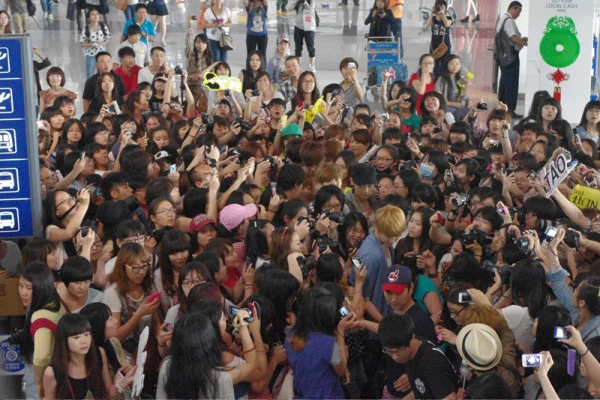
The transition from digital harassment to physical danger is most evident at international airports, which have become notorious flashpoints for fan-induced chaos. As K-pop groups travel for world tours and overseas promotions, they are frequently met by "swarms" of fans who bypass security barriers to get closer to their idols.
In numerous recorded instances, the lack of adequate security personnel from agencies like SM Entertainment has led to stampedes. Artists and fans alike have been knocked to the ground, stepped on, and subjected to unwanted physical contact. In extreme cases, reports of "sasaeng" (obsessive) fans attempting to touch or grab idols have surfaced, bordering on physical assault.
Despite the recurring nature of these incidents, entertainment companies have historically been slow to implement more rigorous security protocols or to publicly reprimand the behavior. The prevailing strategy has been one of silence, avoiding any action that might alienate the consumer base. While some artists have taken to social media (SNS) to plead for personal space, these individual pleas often go unheeded without the backing of corporate enforcement and legal consequences.
The Consumerist Mindset: "The Customer is Always Right"
The root of these behavioral issues lies in the unique economic model of the K-pop industry. In this ecosystem, the fan is treated as a high-value consumer whose financial support is the lifeblood of the artist’s career. This has birthed a culture where "the customer is always right," even when that customer is engaging in toxic or dangerous behavior.

Fans who purchase multiple copies of the same album to boost chart rankings or spend thousands on concert tickets often feel that their financial investment grants them a degree of authority over the artist’s life. They view idols not as human beings or professional entertainers, but as "characters" in a narrative that they, the fans, have paid to consume. When an idol deviates from this narrative—by dating, by interacting with "unapproved" peers, or by expressing personal opinions—the fans react with the indignation of a customer who has received a defective product.
This consumerist entitlement is further complicated by the role of "Netizens" (internet citizens). Netizens often demand a level of moral and personal perfection from idols that is statistically impossible to maintain. This expectation of perfection creates a high-pressure environment where even the smallest perceived flaw can lead to a "ruined" career, making agencies even more hesitant to stand up to the mob.
A Brief Analysis of Implications and Industry Responsibility
The long-term implications of allowing fan aggression to go unchecked are profound. For the artists, the constant surveillance and harassment contribute to significant mental health challenges, as seen in the frequent deactivation of social media accounts and the need for public apologies for mundane activities. For the agencies, the reliance on a volatile fan base creates a fragile business model where a single rumor can devalue a multi-million-dollar brand overnight.
However, the burden of change does not rest solely on the companies. There is a growing call within the K-pop community for "mature" fans to self-regulate. Given that fans are capable of organizing massive light-stick "oceans" and multi-national charity drives, they possess the organizational infrastructure to set boundaries for their peers. The "silent majority" of fans, who do not participate in harassment or airport stampedes, are increasingly being encouraged to speak out against inappropriate behavior.

Furthermore, industry analysts suggest that entertainment companies must shift their focus from short-term profit to long-term artist protection. This includes:
- Implementing Strict Legal Action: Filing lawsuits against hackers and those who spread malicious rumors to create a tangible deterrent.
- Standardizing Airport Security: Investing in professional security details that prioritize the physical safety of both the artist and the public over "fan service" opportunities.
- Redefining the "Idol" Image: Moving away from marketing strategies that promote idols as "virtual partners" and instead emphasizing their roles as professional musicians and performers.
Conclusion
The blind negativity and inappropriate behavior that have characterized certain sectors of K-pop fandom represent a significant hurdle for the industry’s continued global maturation. While the passion of fans is what made K-pop a global phenomenon, that same passion, when left unchecked, threatens the well-being of the very artists it purports to support. As the industry moves forward, the question remains: will agencies, artists, and fans themselves step forward to establish a healthier, more sustainable culture, or will the "customer is always right" mantra continue to poison the well of Hallyu? The events of 2013 serve as a stark reminder that without clear boundaries, the line between adoration and aggression will continue to blur, to the detriment of all involved.