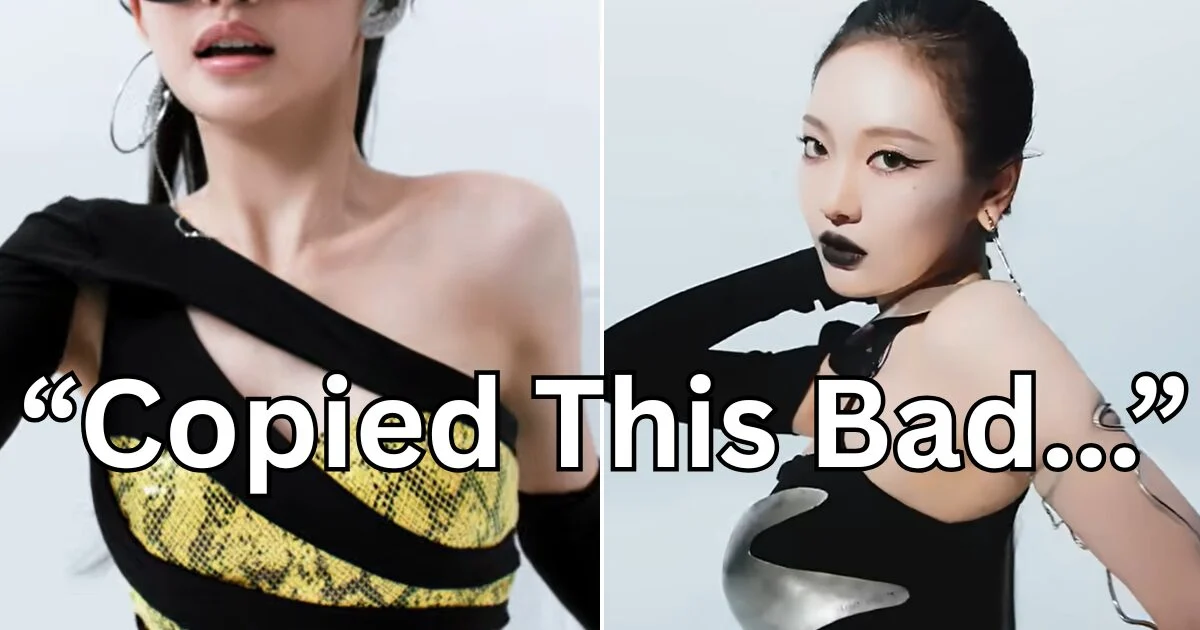
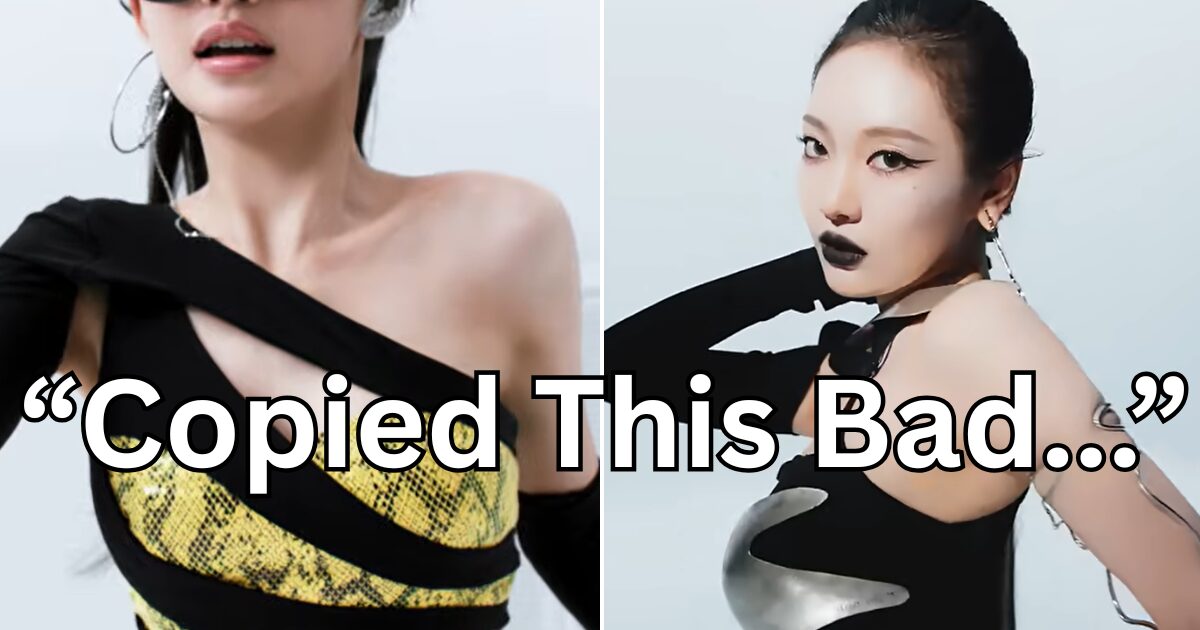
A significant controversy has erupted within the competitive K-Pop landscape, as rising girl group KISS OF LIFE faces widespread accusations of plagiarizing elements of a hit song by the globally renowned group aespa. Netizens have pointed to striking similarities between KISS OF LIFE’s recently released special video for "WHAT!" and aespa’s popular track "Whiplash," alleging direct appropriation of both musical composition and visual concepts. The accusations, which swiftly gained traction across social media platforms, have sparked intense debate among K-Pop fans and industry observers, raising critical questions about artistic originality and intellectual property in the fast-paced world of Korean entertainment.
The Unfolding Controversy: A Detailed Timeline
The controversy began to unfold on August 19, 2026, following the release of a special video for KISS OF LIFE’s track "WHAT!" The song, part of their latest promotional activities, was intended to build anticipation for their upcoming projects. However, almost immediately after its digital release and subsequent sharing on various online platforms, keen-eyed K-Pop fans, particularly those from aespa’s fandom, began highlighting uncanny resemblances to "Whiplash."
Initial murmurs quickly escalated into a full-blown online debate. Screenshots and short video clips comparing specific scenes from KISS OF LIFE’s "WHAT!" video with aespa’s "Whiplash" music video flooded Twitter (now X), YouTube, and various K-Pop community forums. By August 20, 2026, less than 24 hours after the initial comparisons surfaced, the accusations had reached a critical mass, with "plagiarism" and "KISS OF LIFE" trending heavily across South Korean and international social media feeds. One particular post, featuring a side-by-side comparison of key visual elements from both videos, went viral, garnering hundreds of thousands of views and solidifying the perception of significant overlap for many observers. Comments ranged from incredulity, with one netizen stating, "This is actually insane," to outright condemnation, demanding immediate action from KISS OF LIFE’s agency, S2 Entertainment.
Deep Dive into the Allegations: Musical and Visual Parallels
The core of the plagiarism accusations rests on perceived parallels in both the auditory and visual components of the two songs. Detailed analyses by fans and independent music reviewers have highlighted several areas of concern.
Musical Similarities: Echoes in Composition
While the full track "WHAT!" by KISS OF LIFE has been under scrutiny, specific segments, particularly the instrumental breaks and vocal delivery styles, have drawn the most comparisons to aespa’s "Whiplash." Experts and listeners alike have pointed to:
- Melodic Progression: Allegations suggest a similar chord progression and melodic contour in certain sections, particularly during the pre-chorus or bridge, creating a sense of déjà vu for listeners familiar with "Whiplash." The use of specific minor keys and chromatic shifts is cited as a recurring element.
- Rhythmic Structure and Bassline: The driving, syncopated bassline in "Whiplash" is a distinctive feature. Accusations claim that "WHAT!" employs a bassline with a remarkably similar rhythmic pulse and tonal quality, serving a comparable function in driving the song’s energy.
- Instrumental Arrangement: Beyond the bassline, elements like synth stabs, percussion patterns, and the overall atmospheric texture are reported to bear a strong resemblance. Both tracks are characterized by a dark, edgy electronic soundscape, but critics argue that "WHAT!" crosses the line from genre influence to direct replication of specific sonic motifs.
- Vocal Phrasing and Delivery: While vocalists are distinct, some netizens have noted similarities in the rhythmic delivery of certain lyrical phrases or ad-libs, particularly in moments of heightened intensity, mirroring the impactful style found in "Whiplash."
Visual Echoes in Music Videos: A Striking Resemblance
Perhaps even more compelling than the musical comparisons are the visual similarities between the "WHAT!" special video and the "Whiplash" music video. Fans have compiled extensive lists and side-by-side video edits to illustrate these points:
- Set Design and Aesthetics: Both videos feature industrial, gritty settings with prominent metallic structures, chain-link fences, and dimly lit, confined spaces. The color palettes lean heavily into dark blues, greys, and blacks, accented by sharp, contrasting neon lighting (e.g., red or electric blue).
- Shot Composition and Camera Work: Several specific shots have been highlighted for their near-identical composition. This includes low-angle shots emphasizing the performers’ power, quick cuts during dance breaks, and close-ups framed against stark, geometric backgrounds. The use of dynamic camera movements, such as sweeping crane shots or intense handheld work, also shows parallels.
- Styling and Choreography Cues: While individual outfits differ, the overall edgy, rebellious styling with elements of streetwear and dark fashion echoes the aesthetic of "Whiplash." Furthermore, certain choreographic formations or specific dance moves during key transitions are perceived to be highly similar, suggesting direct inspiration beyond general K-Pop dance trends.
- Prop Usage and Thematic Elements: The incorporation of specific props, such as chains, industrial machinery, or even subtle thematic gestures related to rebellion or breaking free, also appears to draw heavily from aespa’s established visual narrative for "Whiplash."
The Artists at the Center: aespa and KISS OF LIFE
Understanding the context of both groups involved is crucial to grasping the weight of these accusations.
aespa’s Influence and "Whiplash"
aespa, formed by SM Entertainment in 2020, rapidly ascended to global prominence, solidifying their status as one of K-Pop’s leading "4th generation" girl groups. Known for their innovative "metaverse" concept, which integrates virtual "ae" counterparts of the members, aespa has carved out a unique niche with a distinct sound and powerful visual identity. Their discography often features experimental, hard-hitting tracks blending electronic, hip-hop, and pop elements.
"Whiplash" is a B-side track from aespa’s highly successful MY WORLD mini-album, released in May 2023. While not a title track, "Whiplash" quickly became a fan-favorite, celebrated for its intense, dark, and confident energy. Its accompanying music video, characterized by its sharp visuals, intricate choreography, and powerful delivery from members Karina, Giselle, Winter, and Ningning, cemented its status as a significant piece of their artistic output. The song’s distinct sound and visual narrative have been widely praised for showcasing aespa’s unique color and influence on contemporary K-Pop trends. The track’s impact, particularly within the fandom and among music critics, was substantial, making any alleged replication particularly noticeable.
KISS OF LIFE’s Rising Profile
KISS OF LIFE, launched by S2 Entertainment, debuted in July 2023. Comprising members Natty, Belle, Julie, and Haneul, the group quickly garnered attention for their strong vocal performances, charismatic stage presence, and a more mature, empowering concept compared to many rookie groups. Their debut track "Shhh" and subsequent releases have helped them establish a growing fanbase and critical acclaim for their musicality.
"WHAT!" is a track from their recent release, intended to further solidify their position and expand their reach. As a newer group, establishing a unique identity is paramount, and any accusations of plagiarism can severely impact their nascent career and public perception. The timing of this controversy is particularly sensitive, as KISS OF LIFE is in a critical phase of building their brand and differentiating themselves in a highly saturated market.

Plagiarism in K-Pop: A Recurring Debate
Plagiarism accusations are not uncommon in the K-Pop industry, a fiercely competitive environment where innovation and distinct concepts are highly valued. The fine line between "inspiration," "homage," and outright "copying" has been a perennial subject of debate.
Historically, K-Pop has seen numerous instances where artists, producers, or creative directors have been accused of drawing too heavily from existing works, both within K-Pop and from Western artists. These incidents often ignite heated discussions about intellectual property rights, the creative process, and the ethical responsibilities of agencies and artists. While some cases are dismissed as mere coincidence or common genre tropes, others have led to official apologies, content modifications, or even legal disputes. The rapid global dissemination of content through social media means that any perceived similarities are now scrutinized with unprecedented speed and intensity by a vast global audience. This heightened vigilance places immense pressure on creative teams to ensure absolute originality, or at least clear attribution for any intentional homages.
Legal and Ethical Dimensions of Copyright
In South Korea, copyright law, primarily governed by the Copyright Act of Korea, protects original literary, musical, dramatic, artistic, photographic, cinematographic, and other works. For musical works, protection extends to both the composition (melody, harmony, rhythm) and the lyrics. For music videos, copyright covers the cinematographic work, including visual direction, editing, and choreography.
Proving plagiarism legally requires demonstrating two key elements:
- Access: The alleged plagiarizer must have had access to the original work. Given aespa’s widespread popularity and the extensive promotion of "Whiplash," this element would likely be easily established.
- Substantial Similarity: The two works must be substantially similar, meaning an average reasonable person would recognize the similarities. This is often the more challenging aspect to prove, especially in music, where common chord progressions or rhythmic patterns exist across many songs. However, when similarities extend to multiple elements—melody, harmony, rhythm, instrumentation, and vocal delivery—the case for substantial similarity becomes stronger. For music videos, direct parallels in set design, shot composition, editing style, and specific visual motifs can provide compelling evidence of substantial similarity.
Ethically, the expectation in the music industry is that artists and their creative teams uphold originality and respect the intellectual property of others. Even if legal recourse is not pursued, public perception of plagiarism can inflict severe damage on an artist’s reputation and career, potentially leading to a loss of trust from fans and industry peers.
Public Reaction and Industry Scrutiny
The public reaction to the KISS OF LIFE plagiarism accusations has been swift and largely negative towards the newer group. Fans of aespa, known as MYs, have expressed outrage, viewing the alleged similarities as a blatant disrespect to aespa’s unique artistry and the efforts of their creative team. Many have called for S2 Entertainment to issue an immediate statement, apologize to aespa and SM Entertainment, and potentially remove or alter the "WHAT!" special video.

The sentiment on social media has been characterized by phrases like "unacceptable," "lazy," and "disappointing." The virality of side-by-side comparisons has ensured that even casual K-Pop fans are aware of the controversy, putting significant pressure on KISS OF LIFE’s agency. Industry insiders are likely watching closely, as such incidents can set precedents for how intellectual property disputes are handled in the future. The perception of a rookie group copying a more established, popular group can also lead to a narrative of desperation or lack of originality, which can be difficult to shake off.
The Road Ahead: Implications and Resolutions
The implications of these plagiarism accusations for KISS OF LIFE are potentially severe. A sustained controversy could negatively impact their upcoming releases, endorsements, and overall public image. It could also deter potential collaborations and damage their standing within the industry.
S2 Entertainment now faces a critical decision. Possible courses of action include:
- Denial and Defense: The agency could issue a statement denying the plagiarism, asserting that "WHAT!" is an original work or that any similarities are coincidental or genre-standard. This approach carries the risk of further backlash if the public remains unconvinced.
- Investigation and Rectification: S2 Entertainment might announce an internal investigation into the creative process behind "WHAT!" If plagiarism is found, they could issue an apology, remove the video, or re-edit it. In some cases, proper attribution or even financial compensation might be discussed with the original copyright holders.
- Silence: While rare for such high-profile accusations, the agency could choose to remain silent, hoping the controversy eventually dies down. This is often a risky strategy, as it can be interpreted as an admission of guilt or a lack of accountability.
SM Entertainment, as aespa’s agency, could also take action. While they might choose to monitor the situation, they also have the option to issue a statement expressing concern, or even pursue legal action if they believe there has been a clear infringement of their intellectual property rights.
The broader message this incident sends to the K-Pop industry is a renewed emphasis on creative accountability. In an era where digital content is easily accessible and compared, the pressure on producers, songwriters, and creative directors to ensure originality and ethical practices is higher than ever. This controversy serves as a stark reminder that while inspiration is a fundamental part of artistic creation, outright copying carries significant risks to reputation, career, and the integrity of the entire industry.
As the K-Pop community awaits official responses from the involved agencies, the "WHAT!" and "Whiplash" plagiarism debate underscores the delicate balance between artistic influence and originality in a globalized music market. The resolution of this controversy will undoubtedly shape discussions around intellectual property and creative ethics for the foreseeable future within the industry.