Top 5 K-Dramas Dominating Ratings in Mid-May 2026 Amidst Genre Diversity and Emerging Controversies
Article Editorial Team
The third week of May 2026 proved to be a dynamic period for the South Korean drama landscape, with a diverse array of series captivating audiences and achieving significant viewership figures. From historical epics facing public scrutiny to heartwarming office romances and intense thrillers, the top five highest-rated K-dramas underscored the industry’s robust creativity and its capacity to engage a broad spectrum of viewers. These weekly ratings, closely monitored by broadcasters and streaming platforms, offer a crucial snapshot of current audience preferences and the competitive nature of content creation in one of the world’s most influential entertainment markets.
The Evolving K-Drama Landscape: A Mid-2026 Snapshot
South Korea’s drama industry continues its global ascent, fueled by innovative storytelling, high production values, and the widespread reach of international streaming platforms. By mid-2026, the competition among terrestrial networks (KBS, MBC, SBS) and cable channels (tvN, JTBC, ENA) had intensified, with original content from Over-The-Top (OTT) services like Netflix, Disney+, TVING, and Wavve also playing a significant role in shaping viewing habits. This intense competition often translates into a rich variety of genres and narratives, catering to both domestic and international audiences. The third week of May 2026 was no exception, showcasing a blend of established tropes and fresh perspectives that resonated strongly with the public. Factors contributing to a drama’s success extend beyond just plot; the star power of its lead actors, the reputation of its writers and directors, effective marketing campaigns, and the all-important "buzz" generated through social media play critical roles in determining viewership outcomes.
Decoding K-Drama Ratings: What the Numbers Mean
In South Korea, television ratings are primarily measured by agencies such as Nielsen Korea, providing aggregated data on viewership across various demographics. While the raw percentage figures indicate the proportion of households tuned into a particular program, their significance is often contextual. A 10% rating for a terrestrial network drama, for instance, is generally considered a strong performance, whereas cable dramas, with smaller reach, can achieve considerable success with ratings in the 3-5% range. For OTT platforms, direct viewership numbers are often proprietary, but their impact is measured through subscription growth, global watch hours, and social media engagement. The dramas highlighted this week represent a mix of these dynamics, with their respective ratings reflecting impressive audience capture within their broadcast environments. The figures reported for the third week of May 2026 indicate a healthy appetite for diverse narratives, from gripping historical sagas to lighthearted romantic comedies and edge-of-the-seat thrillers.
Perfect Crown (13.8%): A Royal Farewell Marred by Historical Debate
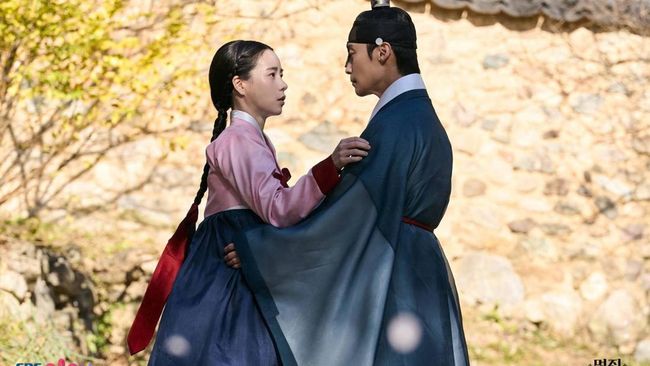
Securing the top spot with a formidable 13.8% rating for its latest, and reportedly final, episode, Perfect Crown concluded its run as a significant cultural talking point. Starring the highly acclaimed IU and the rising star Byeon Woo Seok, this historical drama captivated audiences with its lavish production and compelling narrative. IU, renowned for her versatile acting and musical prowess, alongside Byeon Woo Seok, who has steadily built a reputation for powerful performances, formed a formidable on-screen pair whose chemistry was widely praised as a major draw. Historical dramas traditionally hold a special place in Korean television, often blending intricate political intrigue with poignant romantic subplots and stunning visual aesthetics.
However, Perfect Crown‘s journey was not without its challenges. The drama faced a heated controversy regarding alleged historical distortion, a sensitive issue in South Korea where historical accuracy in media is meticulously scrutinized by the public and academic circles. Accusations of misrepresenting historical figures, events, or cultural nuances can lead to significant public backlash, boycotts, and even calls for cancellation. In the case of Perfect Crown, the controversy likely fueled intense public discussion, potentially drawing in some viewers curious about the contentious elements while alienating others who felt the drama had crossed a line. Despite these criticisms, the drama’s ability to maintain a high rating through its finale, especially a figure like 13.8% on a major network like MBC, underscores the strength of its core storytelling, the appeal of its lead actors, and perhaps, the public’s enduring fascination with the debate itself. The implications of such controversies are far-reaching, often prompting production companies and networks to exercise greater caution in future historical productions and sometimes leading to internal reviews of creative processes.
Filing for Love (7.9%): Office Romance Charms Its Way Up

Filing for Love, a romantic comedy set against the backdrop of a bustling corporate environment, achieved a commendable 7.9% rating. This genre, often dubbed "office rom-com," consistently resonates with viewers due to its relatable portrayal of workplace dynamics, everyday struggles, and the universal quest for connection amidst professional pressures. The drama’s success can be attributed to its witty dialogue, engaging character development, and the charming performances of its ensemble cast, which effectively captured the nuances of modern office life.
The 7.9% rating for Filing for Love on tvN, a cable channel known for its high-quality dramas and strong romantic comedy offerings, signifies a robust performance. tvN has a proven track record of producing hits in this genre, often balancing humor with genuine emotional depth. The drama likely appealed to a demographic seeking lighthearted yet emotionally satisfying storytelling, offering a much-needed escape from daily routines. Its consistent performance suggests strong word-of-mouth and a loyal viewership base, a testament to its well-executed premise and relatable themes of finding love and purpose within the workplace.
The Scarecrow (7.9%): A Gripping Thriller Nears Its Intense Climax
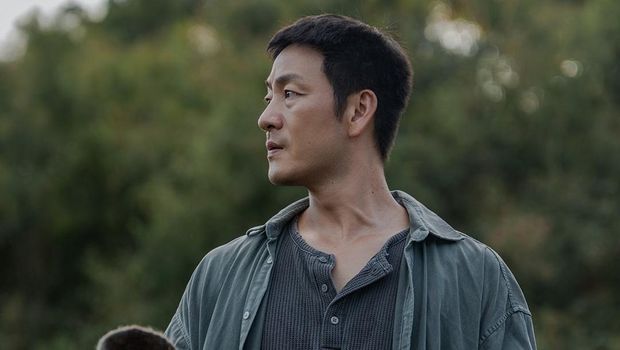
Sharing the 7.9% rating, The Scarecrow cemented its position as a strong contender in the thriller genre. Starring the acclaimed Park Hae Soo, known internationally for his powerful roles in productions like Squid Game and Prison Playbook, the drama benefited immensely from his compelling screen presence and intense acting. Thrillers and mystery dramas have seen a significant surge in popularity, both domestically and globally, driven by intricate plots, suspenseful pacing, and thought-provoking themes.
The fact that The Scarecrow achieved this rating "jelang penayangan terakhirnya" (ahead of its final broadcast) is particularly significant. It suggests that the drama successfully built suspense and maintained audience engagement throughout its run, leading to a peak in viewership as viewers tuned in to witness the culmination of its mysteries. ENA, a relatively newer player among the cable channels, has been steadily building its reputation by investing in unique and high-quality content. The success of The Scarecrow further solidifies ENA’s growing influence and its ability to attract top-tier talent like Park Hae Soo, indicating a promising future for the network in the competitive K-drama market. The drama’s strong performance likely contributed to ENA’s brand recognition and its ability to draw in audiences looking for sophisticated, character-driven thrillers.

The Legend of Kitchen Soldier (7.9%): A Culinary Saga’s Significant Surge
Also achieving a 7.9% rating, The Legend of Kitchen Soldier emerged as a notable success story, particularly due to its "signifikan kenaikan" (significant increase) compared to the previous week. This drama, featuring the versatile Park Ji Hoon, formerly an idol and now a respected actor, likely blended elements of culinary arts with a compelling narrative, potentially involving historical or fantasy undertones given its title. Culinary dramas, which celebrate food, culture, and often feature inspiring journeys of chefs or restaurateurs, have a niche but dedicated following.
The significant jump in ratings for The Legend of Kitchen Soldier points to several potential factors: strong word-of-mouth as the plot developed, critical acclaim for its unique storyline or performances, or a sudden surge in interest following a pivotal plot development. Park Ji Hoon’s transformation from a pop idol to a serious actor has been well-received, and his growing fan base undoubtedly contributed to the drama’s viewership. Broadcast on TVING, a prominent South Korean OTT platform, the drama’s strong rating indicates the increasing power and influence of streaming-original content. This success story highlights how compelling narratives, even within niche genres, can capture a broad audience when executed well, especially with platforms providing easy access and opportunities for binge-watching. It also underscores the importance of ongoing audience engagement and how a drama can gain momentum throughout its run.
My Royal Nemesis (6%): Fantasy-Romance Captures Netizen Praise
Rounding out the top five, My Royal Nemesis, a fantasy romantic comedy, garnered a 6% rating. This blend of genres, combining the escapism of fantasy with the warmth and humor of romance, has proven to be a popular formula in recent years. The drama’s unique premise, likely involving fantastical elements within a royal or historical setting, allowed for creative storytelling and engaging character dynamics.
The article notes that My Royal Nemesis "mendapat sorotan dan pujian warganet" (received attention and praise from netizens), which is a crucial indicator of its resonance with contemporary audiences. In the age of social media, netizen buzz and online discussions can significantly influence a drama’s trajectory, driving organic viewership and generating viral moments. Positive sentiment from online communities often translates into increased viewership, as potential viewers are swayed by recommendations and enthusiastic reviews. A 6% rating for an SBS drama, a major terrestrial network, is a respectable figure, especially for a fantasy-romance which might cater to a slightly more specific demographic than a broad historical epic. This drama’s success demonstrates the enduring appeal of well-crafted fantasy elements combined with heartwarming romantic narratives, further amplified by the powerful endorsement of its online fan base.
Genre Trends and the Evolving Audience Palate
The top-rated dramas of mid-May 2026 clearly illustrate the diverse and evolving preferences of K-drama audiences. The continued dominance of historical dramas, even those embroiled in controversy, signals a deep-seated appreciation for narratives rooted in Korea’s past. Concurrently, the strong performance of contemporary office rom-coms and intense thrillers indicates a demand for relatable modern stories and suspenseful plots. The rise of culinary dramas and fantasy-romance hybrids further highlights a thirst for unique concepts and imaginative storytelling. This genre diversity is a strategic move by production companies and broadcasters to capture wider demographics, ensuring that there is compelling content available for every taste. The success of both traditional broadcast dramas and OTT originals also underscores the dynamic competition in the industry, pushing creators to innovate and deliver high-quality content across all platforms.
Implications for the Future of K-Drama Production
The ratings from the third week of May 2026 offer several key insights for the K-drama industry. Firstly, star power, as exemplified by IU, Byeon Woo Seok, Park Hae Soo, and Park Ji Hoon, remains a critical factor in drawing initial viewership. Secondly, compelling narratives, regardless of genre, are paramount. Whether it’s the intricate plot of a historical drama, the relatable humor of an office romance, or the nail-biting suspense of a thriller, a strong story is the bedrock of success. Thirdly, the ongoing challenge of historical accuracy in dramas continues to be a sensitive area, requiring careful navigation from production teams to avoid public backlash. Finally, the growing influence of social media and netizen engagement cannot be overstated; organic buzz and positive online reception are powerful drivers of sustained viewership.

As the K-drama industry continues to expand its global footprint, these domestic trends provide valuable data on what resonates with the core audience. The blend of traditional broadcasting success with the rising prominence of OTT platforms indicates a future where content accessibility and diverse storytelling will be key. The industry’s ability to adapt to these evolving demands, while maintaining its commitment to quality and innovation, will be crucial in solidifying South Korea’s position as a powerhouse in global entertainment. The third week of May 2026 stands as a testament to this vibrant and competitive landscape, where compelling stories, stellar performances, and strategic broadcasting converge to captivate millions.
Related News