Toxic Fan Culture and the Boundaries of Idol Privacy in the K-pop Industry
Article Editorial Team
The global rise of K-pop has been fueled by a unique and symbiotic relationship between artists and their fans. On one hand, these dedicated communities are known for their extraordinary mobilization, organizing elaborate fan projects, donating significant sums to charitable causes in their idols’ names, and providing the financial backbone for the industry through album sales and concert tours. However, this intense devotion often masks a darker reality within the industry: a growing culture of entitlement, digital harassment, and physical safety concerns that challenge the boundaries between public performance and private life. As several high-profile incidents involving members of f(x), Super Junior, and SHINee have recently highlighted, the "customer is always right" mentality has created a volatile environment where idols are increasingly treated as commodities rather than individuals.
The Digital Siege: The Case of f(x)’s Krystal and G-Dragon
The power of social media in the K-pop ecosystem cannot be overstated, but its capacity for harm was vividly demonstrated when Krystal Jung, a member of the girl group f(x), was forced to deactivate her Instagram account. The controversy began with a seemingly innocuous digital interaction: G-Dragon, the leader of Big Bang, "liked" several of Krystal’s photos. In the hyper-vigilant world of K-pop fandom, this was interpreted by some as a sign of a clandestine romantic relationship.
The backlash was immediate and severe. A segment of G-Dragon’s fanbase launched a coordinated campaign of harassment against Krystal, flooding her comment sections with vitriol and malicious rumors. Beyond verbal abuse, her account, @kjungxox, became the target of multiple hacking attempts. The pressure eventually led to the deletion of the account, marking a significant loss of personal agency for the artist. This incident underscores a recurring theme in the industry: female idols often bear the brunt of fan frustration when male idols show them even the slightest bit of public attention. It also highlights the "ownership" fans feel over their idols’ romantic lives, where any perceived threat to an idol’s "availability" is met with hostility.
The "Only 13" Movement and the Limits of Group Membership
The internal politics of fandoms can also dictate the very composition of the groups they support. This was evidenced by the long-standing friction surrounding Super Junior and its sub-unit, Super Junior-M. Since 2007, a vocal faction of the fanbase has adhered to the "Only 13" philosophy, a movement dedicated to preventing the permanent addition of new members to the original lineup.
In a recent attempt to quell persistent demands from these supporters, Super Junior member Eunhyuk issued a public statement clarifying that Zhou Mi and Henry Lau—talented artists who have been part of the sub-unit Super Junior-M for years—are not considered official members of the main Super Junior group. This distinction, while technically accurate according to the group’s contractual structure, was seen as a necessary concession to satisfy fans who demanded clear boundaries between "original" and "guest" members.
The fact that a senior artist felt compelled to publicly define these boundaries speaks to the immense leverage held by organized fan unions. When fans threaten boycotts or demand structural changes, entertainment agencies often prioritize market stability over the integration and recognition of all their artists. This creates a hierarchy within groups that can be professionally and personally alienating for those labeled as "peripheral" members.
The Apology for Normalcy: Jonghyun’s Movie Theater Incident
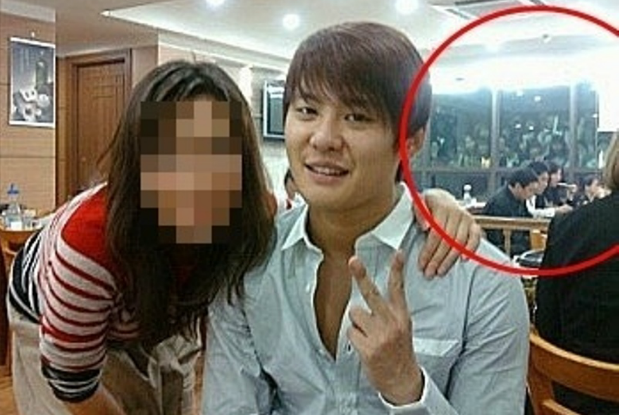
Perhaps the most poignant example of the loss of idol privacy is the recent apology issued by SHINee’s Jonghyun. After being spotted at a movie theater with a female acquaintance, photos of the outing quickly circulated on community sites, sparking immediate speculation and concern among fans. In response, Jonghyun took to Twitter to clarify the situation, emphasizing that the individual was merely a friend and not a celebrity.

His statement was telling: "Even though it’s not something I should be sorry about, I’m sorry." This sentiment captures the paradox of the modern idol. There is a systemic expectation that idols must apologize for engaging in mundane, everyday activities—such as watching a film with a friend—if those activities cause even minor distress or "relief" among the fanbase. This culture of forced apologies reinforces the idea that an idol’s private time is not their own, but rather a component of the "perfection" they have sold to the public.
Physical Safety and the Chaos of Airport Mobbing
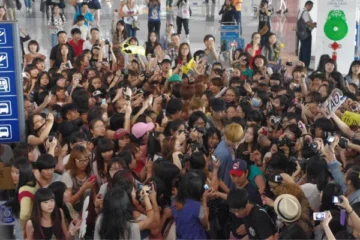
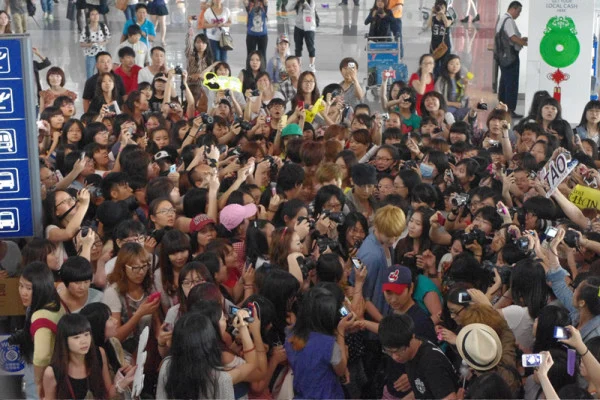
The issues of fan entitlement extend beyond the digital realm into physical spaces, most notably international airports. For many fans, airports represent a rare opportunity to see their idols up close outside of a staged concert environment. However, this has led to increasingly dangerous "mobbing" behavior.
When groups like EXO or SHINee travel, they are frequently met by hundreds, sometimes thousands, of fans who swarm the arrivals hall. The resulting stampedes have led to artists and fans alike being pushed, tripped, or even trampled. Reports of fans shoving cameras into idols’ faces or attempting to touch them inappropriately are common. Despite the clear physical risk, many entertainment agencies have been slow to implement rigorous security protocols, often fearing that a heavy security presence will alienate the fanbase or project an "unfriendly" image.
The silence from corporate entities in the face of these safety violations is a form of tacit approval. By not reprimanding dangerous behavior or investing in adequate protection, companies signal that the physical well-being of the artist is secondary to the "fan experience."

The Economics of Entitlement: Why the Industry Panders
To understand why this behavior persists, one must look at the economic structure of K-pop. The industry is built on the concept of "parasocial relationships"—a psychological state where a fan feels a deep, personal connection with a celebrity who does not know them. Agencies cultivate this by providing constant content, behind-the-scenes glimpses, and platforms for direct interaction.
This sense of intimacy is a highly effective marketing tool, but it carries a high cost. When fans invest significant time and money into an artist, they often begin to view that artist as a product they have purchased. This leads to the "customer is always right" fallacy. Fans believe that because they have funded the idol’s career, they have a right to dictate their personal choices, their social circles, and even their group’s membership.
Furthermore, the K-pop industry is notoriously risk-averse regarding public image. In a market where a single "scandal"—which can be as minor as a dating rumor—can lead to plummeted stock prices and lost endorsement deals, agencies often choose to mollify the loudest and most aggressive fans rather than challenging their behavior.
The Role of Netizens and the Burden of Perfection
The term "netizen" (internet citizen) carries significant weight in South Korea. The collective voice of online communities can make or break a career. There is a glaring hypocrisy in the way these communities operate; while many fans claim to protect their idols from "haters" and malicious netizens, they often employ the same tactics of surveillance and criticism when the idol deviates from their expected "character."

Idols are expected to be "perfect" characters in a narrative written by the public. When an idol acts in a way that breaks this character—by dating, expressing a controversial opinion, or simply having a private life—the backlash is framed as a betrayal of the fan’s investment. This dehumanization is the root of the toxic cycle. The pressure to maintain an unblemished facade 24/7 is a significant contributor to the mental health struggles reported by many in the industry.
A Call for Systemic Change and Fan Accountability
Addressing the toxicity in K-pop culture requires a multi-faceted approach involving agencies, artists, and the fans themselves.
- Agency Responsibility: Entertainment companies must prioritize the safety and mental health of their artists over short-term PR concerns. This includes implementing stricter security at public venues, pursuing legal action against digital harassers, and refusing to issue "apologies" for non-scandals.
- Artist Agency: While difficult, there is a growing need for artists to set firm boundaries. When idols like Jonghyun or Krystal are forced into silence or apology, it reinforces the fans’ perceived power.
- Fan Self-Regulation: The most effective change must come from within the fandoms. The same organizational skills used to fund charities and light stick oceans can be used to call out inappropriate behavior. Mature fans must lead the charge in establishing a culture where stalking, mobbing, and digital bullying are socially unacceptable within the community.
The current trajectory of fan-artist relations in K-pop is unsustainable. While the passion of fans is the engine that drives the industry’s global success, that passion must be tempered with respect for the basic human rights of the artists. An idol’s career is a professional engagement, not a surrender of their humanity. Until the industry and its consumers recognize this distinction, the cycle of harassment and forced apologies will continue to cast a shadow over the music. The question remains: who will be the first to take a definitive stand against the status quo?
Related News