Toxic Fan Culture in K-pop: The Growing Tension Between Idol Autonomy and Consumer Entitlement
Article Editorial Team
The global expansion of the South Korean music industry, commonly known as K-pop, has been fueled by a level of fan dedication rarely seen in other entertainment sectors. This devotion manifests in highly organized fan projects, substantial charitable donations made in the names of musical artists, and the elaborate "rice wreath" displays that decorate concert venues. However, this fervent support has a darker, more intrusive counterpart. As the industry grows, a recurring pattern of toxic fan behavior, digital harassment, and the policing of idols’ private lives has emerged, creating a volatile environment where the boundaries between public performance and private existence are increasingly blurred. Recent incidents involving prominent figures from f(x), Super Junior, and SHINee highlight a systemic issue: a culture of consumer entitlement that views idols not as human beings, but as commodities subject to the whims of their audience.
A Timeline of Digital Harassment and Social Media Erasure
The volatility of K-pop fandom is perhaps most visible in the digital sphere, where social media platforms serve as both a bridge between idols and fans and a battlefield for harassment. In 2013, Krystal Jung, a member of the girl group f(x), became the target of a sustained cyber-bullying campaign. The catalyst for the harassment was a series of "likes" on her Instagram posts by G-Dragon, the leader of the globally renowned group Big Bang. In the hyper-sensitive world of K-pop rumors, these digital interactions were interpreted by a segment of G-Dragon’s fanbase as evidence of a romantic relationship.
The reaction was swift and vitriolic. Fans of G-Dragon flooded Krystal’s Instagram account, "kjungxox," with malicious comments and threats. This was compounded by multiple attempts to hack her account, representing a significant breach of her digital privacy. Under the weight of this relentless scrutiny and the perceived threat to her personal space, Krystal eventually deactivated and deleted her account. This incident serves as a stark example of how "shipping" culture and fan jealousy can escalate into organized harassment, forcing artists to retreat from public digital spaces to protect their mental well-being.
The "Only 13" Doctrine: Exclusionary Fan Activism
While some fan actions target individuals, others aim to dictate the very composition of the groups they support. One of the most long-standing and complex examples of this is the "Only 13" movement associated with Super Junior, a veteran group under SM Entertainment. The movement originated in 2007-2008 when the agency attempted to add new members, specifically Henry Lau and Zhou Mi, to the group’s lineup or its sub-units. A vocal contingent of fans, committed to the original 13-member lineup, staged protests—including purchasing shares in SM Entertainment and organizing silent sit-ins—to prevent the permanent integration of new members.
This exclusionary sentiment persisted for years. In July 2013, the tension resurfaced following demands from "Only 13" supporters to clearly define the status of Henry and Zhou Mi. The pressure was so significant that Eunhyuk, a senior member of Super Junior, was compelled to issue a public statement clarifying that Zhou Mi and Henry were members of the sub-unit Super Junior-M, rather than the "official" core group. This incident underscores the paradoxical nature of K-pop fandom: the same fans who claim to love a group will actively work to marginalize talented individuals who are seen as "outsiders," effectively exercising a veto over the agency’s management decisions.
The Compulsory Apology: SHINee’s Jonghyun and the Policing of Private Lives
The expectation of "purity" and total availability is a cornerstone of the idol-fan relationship, leading to a culture where normal social activities are treated as betrayals. In August 2013, Jonghyun, the lead vocalist of SHINee, was photographed by fans while attending a movie with a female friend. Despite the lack of evidence suggesting anything beyond a platonic outing, the photos sparked a wave of controversy on community sites.
The pressure on Jonghyun was so immense that he felt obligated to issue a public apology on Twitter. His statement was a masterclass in the cognitive dissonance required of modern idols: "I hope no one gets hurt by this… I’m sorry. Even though it’s not something I should be sorry about, I’m sorry." This "non-apology apology" highlights the impossible position of the idol: acknowledging that they have done nothing wrong while simultaneously apologizing for the mere existence of a private life that might upset the fan’s fantasy of exclusive devotion. It reveals a dynamic where fans do not just consume music; they demand a degree of control over the artist’s personal associations and leisure time.

The Infrastructure of Entitlement: Marketing Idols as Commodities
The root of this toxic behavior lies in the way the K-pop industry is structured. Entertainment agencies market idols through the lens of "parasocial relationships." By providing constant behind-the-scenes content, personal messages via apps, and high-touch "fan-sign" events, agencies cultivate a sense of intimacy between the fan and the idol. While this drives record-breaking sales and intense brand loyalty, it also fosters a sense of ownership.
In a traditional retail model, "the customer is always right." In K-pop, this logic is applied to human beings. Fans who spend thousands of dollars on albums, merchandise, and concert tickets often feel they have purchased a stake in the idol’s life. This entitlement is exacerbated by the "trainee system," where idols are polished to a standard of perceived perfection. When an idol deviates from this script—by dating, expressing an unpopular opinion, or simply being seen in public with the "wrong" person—fans react as if a product they purchased is defective.
Physical Safety and the Chaos of Airport Arrivals
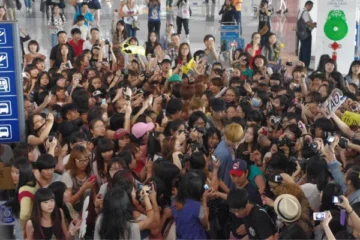
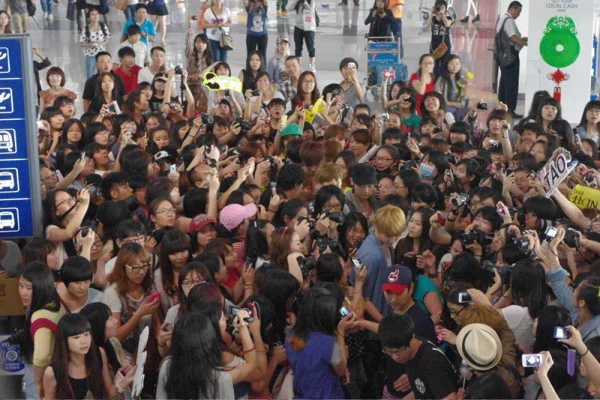
The transition from digital harassment to physical danger is most apparent at international airports. "Airport fashion" has become a recognized marketing tool, but the reality of these arrivals is often chaotic and dangerous. Fans frequently swarm artists, disregarding security barriers to get close-up photos or physical contact. These "stampedes" have resulted in both artists and fans being pushed, stepped on, or knocked to the ground.
Despite the recurring nature of these incidents, many agencies have been criticized for inadequate security measures. The reluctance to reprimand fans or implement stricter boundaries stems from a fear of alienating the core consumer base. When artists do speak up on social media about their discomfort or physical pain during these encounters, their pleas are often ignored by the very people who claim to be their greatest supporters. This physical aggression is the ultimate expression of the "idol as character" mindset, where the desire for a photograph or a touch outweighs the basic human right to safety and personal space.

The Corporate Dilemma: Profit vs. Protection
K-pop agencies face a significant ethical and financial dilemma. The industry is built on the financial contributions of "hardcore" fans who drive the charts and ensure profitability. Consequently, companies are often hesitant to take a firm stand against toxic behavior, fearing a boycott or a loss of "fandom power." This silence is often interpreted by fans as tacit approval, or at the very least, a sign that their behavior has no consequences.
However, industry analysts suggest that this "laissez-faire" approach to fan management is unsustainable. The psychological toll on artists is significant, leading to anxiety, hiatuses, and in some cases, the early termination of contracts. Furthermore, as K-pop seeks to maintain its status as a global cultural powerhouse, the prevalence of "sasaeng" (obsessive) fan culture and organized bullying risks tarnishing the industry’s reputation on the international stage. A "bad reputation" in terms of artist treatment can be just as damaging to a company’s long-term value as a dip in quarterly sales.
Conclusion: The Need for a Cultural Shift
The evolution of K-pop requires a corresponding evolution in fan-idol dynamics. While the positive aspects of fandom—the charity, the community, and the genuine appreciation for art—should be celebrated, the "gritty" side of the coin can no longer be ignored. It is not enough for fans to simply "wait for things to blow over." There is a pressing need for mature fans to self-regulate their communities, calling out inappropriate behavior and demanding that agencies prioritize artist safety over short-term fan satisfaction.
Ultimately, the responsibility lies with both the producers and the consumers. Agencies must realize that pandering to the most vocal and toxic segments of a fanbase is a "poisonous" long-term strategy. Simultaneously, netizens and fans must recognize that their comments and actions have real-world repercussions. An idol is not a character in a scripted drama that fans get to write; they are individuals with the right to privacy, social autonomy, and physical safety. Until the industry and its followers move away from the model of human-as-commodity, the cycle of harassment and compulsory apologies will continue to mar the vibrant world of K-pop. The question remains: will the industry take a stand, or will it continue to prioritize the "customer" at the expense of the creator?
Related News