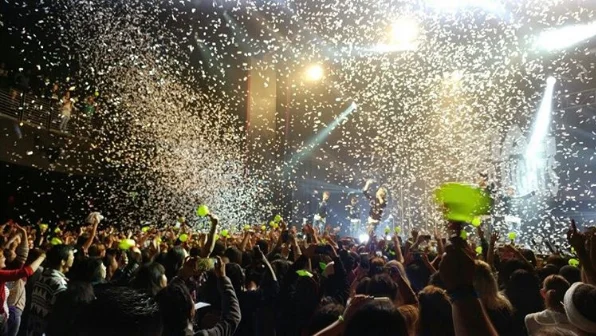
The primary objective of a fandom is the unwavering support of their chosen celebrity. However, the convergence of social media and rapid globalization has expanded this mandate. As physical borders become increasingly porous in the digital realm, globalization has become a vital factor in how human experiences are shared and judged. In this context, K-pop fandoms have emerged as the most visible intersection of pop culture and social mobilization. While this collective power has been harnessed for significant philanthropic and social justice efforts, it also presents a complex "double-edged sword" effect, where the same mechanisms used for social good can be weaponized to silence dissent or obscure accountability.
The Sociological Framework of Fandom as a Social Movement
To understand the influence of K-pop fans, one must first define the parameters of a social movement. Sociologically, social movements are forms of collective action involving networks of individuals and groups working toward a common goal based on a shared identity. K-pop fandoms fit this definition with remarkable precision. They span various races, ages, genders, and sexualities, yet they move as a singular unit to achieve tangible outcomes.
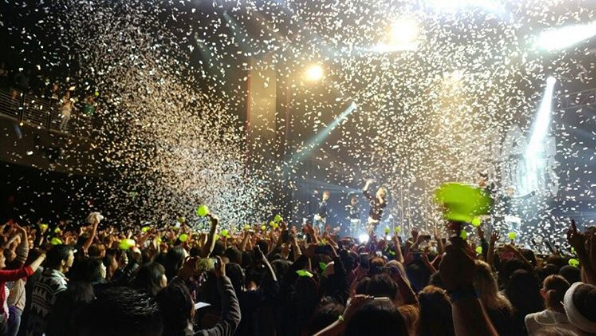
A critical component of this efficiency is the concept of collectivism, which is deeply rooted in the East Asian cultures that birthed K-pop. Unlike Western individualism, collectivism prioritizes the well-being and reputation of the community over the individual. In the K-pop ecosystem, this translates to a relationship where the artist’s success is viewed as the fandom’s success. This unified front allows millions of individual efforts—ranging from mass-purchasing albums to coordinated streaming—to synthesize into a global force.
Hallyu and the Globalization of Korean Culture
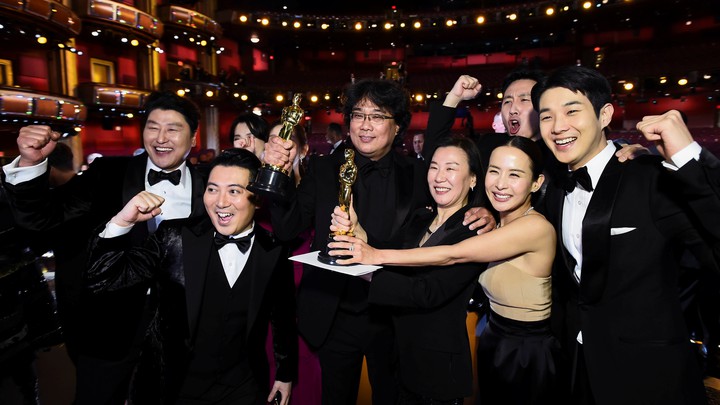
The rise of K-pop is inseparable from the broader "Hallyu" or Korean Wave. In recent years, South Korea has seen unprecedented success in exporting its cultural products to the West. The 2020 Academy Awards marked a turning point when the Korean-language film Parasite won Best Picture, followed by Youn Yuh-jung’s historic Best Supporting Actress win for Minari in 2021. Beyond cinema, Korean lifestyle trends, such as the viral "dalgona coffee" and skincare routines, have permeated global consciousness.
However, K-pop remains the vanguard of this movement. Groups like BTS have moved beyond the niche of "world music" to become dominant fixtures in the global music industry, consistently selling out international stadium tours and topping the Billboard charts. Western media outlets, including Vogue, Refinery29, and Seventeen, now provide regular coverage of K-pop artists, signaling a shift in cultural hegemony.
Marketing agencies have strategically leveraged globalization by creating "shareable" content. The "reaction video" genre, exemplified by channels like ReacttotheK, has turned K-pop consumption into a participatory event. By analyzing the musicality or visual aesthetics of music videos, these creators build a feedback loop that pushes K-pop into new demographics, such as classical music students or professional musicians, further solidifying its global footprint.
A Chronology of Digital Activism and Political Influence
The year 2020 served as a watershed moment for K-pop fandom activism, demonstrating that these groups could influence real-world political and social outcomes.
June 4, 2020: Following the height of the Black Lives Matter (BLM) protests in the United States, BTS and their label, Big Hit Entertainment (now HYBE), announced a $1 million donation to the movement.
June 5–7, 2020: In response, the fan-led charity group "One in an ARMY" launched the #MatchItForward and #MatchAMillion campaigns. Within just 24 hours, the fandom had raised over $817,000, reaching the $1 million goal by June 7. This demonstrated an unprecedented ability to mobilize capital for social causes in a condensed timeframe.
June 2020: K-pop fans engaged in digital sabotage against racist rhetoric. When the #WhiteLivesMatter hashtag began trending, K-pop stans flooded the tag with "fancams" (short videos of idols performing), effectively drowning out white supremacist messaging and making the hashtag unusable for its original proponents.
June 20, 2020: Fans took credit for disrupting a campaign rally for then-President Donald Trump in Tulsa, Oklahoma. Through social media platforms like TikTok and Twitter, fans and "alt-TikTok" users encouraged people to register for free tickets and then fail to show up. While the Trump campaign denied the impact, the rally saw a significantly lower turnout than expected, with roughly 6,200 attendees in a 19,000-seat arena.
The Mechanics of Mobilization: Tools and Tactics
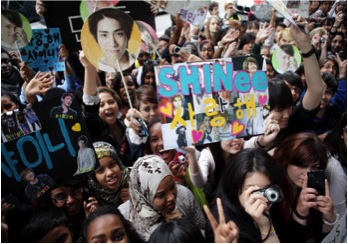
K-pop fandoms utilize a sophisticated toolkit to ensure their voices—and their idols’ names—remain at the forefront of digital discourse. These tactics include:
- Hashtag Campaigns: Fans use coordinated "bursts" to trend specific topics globally. These can be celebratory, such as #HappyVDay for BTS member V, or defensive, as seen in campaigns petitioning for an idol’s innocence during scandals.
- Search Engine Optimization (SEO) Manipulation: Known as "clearing the searches," fans flood platforms with positive keywords to push down negative news or controversial associations.
- Mass Voting and Streaming: Fandoms organize schedules to ensure their artists win fan-voted awards or reach specific view counts on YouTube, which in turn influences chart positions and brand deals.
The Paradox: Weaponization and Internal Dissent
Despite the laudable philanthropic efforts, the power of K-pop fandoms has a darker side. The same collectivist impulse that drives charity can lead to the silencing of marginalized voices within the fandom itself.
Black K-pop fans have frequently reported negative experiences, noting that when they criticize an idol for cultural appropriation or the use of racial slurs, they are often "dogpiled" by the larger community. In these instances, the "common goal" of protecting the idol’s image takes precedence over the social justice values the fandom claims to uphold.
A prominent example of this defensive mobilization occurred in early 2021 during a wave of school bullying allegations in the South Korean entertainment industry. When Hyunjin of Stray Kids was accused of past misconduct, his fandom, STAY, trended numerous hashtags to show support. By leveraging their collective power, the fandom pressured the artist’s management company to maintain their support for the member, regardless of the veracity of the claims. This highlights a critical tension: fandom activism is often conditional, prioritizing the celebrity’s career over the accountability required in traditional social justice movements.
Official Responses and Corporate Implications
The relationship between fans and K-pop corporations is one of mutual dependency. Labels like HYBE, SM, and JYP Entertainment have recognized that their most valuable asset is not just the artist, but the organized power of the fandom. Consequently, companies often tailor their public relations strategies to appease these digital collectives.
When fans demand better treatment for an idol or protest a specific creative direction, companies are increasingly likely to issue formal statements or change course to avoid "fandom boycotts." However, this also means that when a fandom decides to "protect" an idol from a legitimate scandal, the company may feel emboldened to ignore public outcry, knowing they have a dedicated "army" to shield the brand from financial fallout.
Broader Impact and the Future of Digital Activism
The evolution of K-pop fandom from a music-based community to a socio-political force suggests a permanent change in how the internet facilitates collective action. It has proven that digital-first communities can achieve tangible results, from raising millions of dollars to disrupting political events.
However, the question remains whether this can be classified as true "activism." Traditional social movements are defined by their pursuit of systemic change or justice for a specific group of people. In contrast, K-pop fandom activism is fundamentally "idol-centric." The goal is the person, not necessarily the principle.
As globalization continues to blur the lines between entertainment and politics, the influence of these fandoms will likely grow. They serve as a blueprint for how future generations may organize around shared identities. Yet, as long as the ultimate "North Star" of the movement is the protection of a celebrity’s reputation, the movement will remain a paradox—capable of immense global good, but limited by its own devotion to the individual at the center of the storm.