
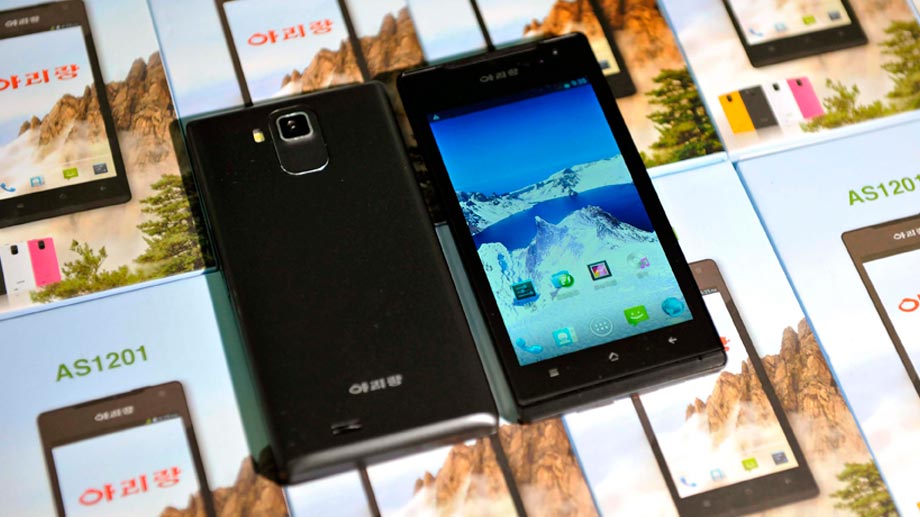
The unveiling of the Arirang smartphone by the Democratic People’s Republic of Korea (DPRK) marks a significant intersection between isolationist technological aspirations and a deeply rooted shared cultural heritage. While the device itself—a touch-screen handset running a localized version of the Android operating system—represents a modest step in North Korea’s domestic consumer electronics, its nomenclature carries immense weight. By naming its first smartphone after the traditional folk song "Arirang," Pyongyang has tapped into a symbol of national identity that predates the 1945 division of the peninsula. This move highlights how, despite decades of military tension and ideological divergence, the cultural fabric of the two Koreas remains inextricably linked through a melody that has survived colonialism, war, and the Cold War.
The Arirang Smartphone: Technical Context and State Promotion
In August 2013, North Korean state media, the Korean Central News Agency (KCNA), released images of leader Kim Jong-un visiting a manufacturing facility to inspect the "Arirang" AS1201. During the visit, Kim praised the "high goals" of the workers, emphasizing the importance of "mass-producing" products that feature the North Korean brand. The device was touted as a homegrown achievement, though international technology analysts quickly noted striking similarities between the Arirang and the Uniscope U5, a budget smartphone produced in China.
Speculation remains high among cybersecurity experts and regional analysts that the components were manufactured in China and shipped to the Pyongyang factory for final assembly and software installation. The smartphone features a camera with "high pixels," according to KCNA, and runs a modified Android skin that likely includes state-approved applications and restrictive security protocols designed to prevent access to the global internet, instead connecting to the domestic "Kwangmyong" intranet. Despite these limitations, the branding of the device as "Arirang" serves a specific domestic purpose: it frames modern technology within the context of traditional Korean pride, attempting to foster a sense of self-reliance (Juche) and cultural continuity.
Related Articles
The Historical Genesis of Arirang as a National Anthem
To understand why the name "Arirang" was chosen, one must look at the song’s status as the unofficial national anthem of both Koreas. While the Republic of Korea (South Korea) officially recognizes "Aegukga" (The Song of Love for Country) as its national anthem—a grand, orchestral piece influenced by Western musical traditions—it is "Arirang" that resonates most deeply in the hearts of the populace.
The origins of "Arirang" are shrouded in oral tradition, with musicologists estimating its birth anywhere between the 14th-century Goryeo Dynasty and the late 19th century. Musically, it is built on a simple pentatonic scale, making it easy to learn and adapt. Lyrically, it tells the story of a traveler crossing the "Arirang Pass," often interpreted as a metaphor for the hardships of life or the pain of separation from a lover.
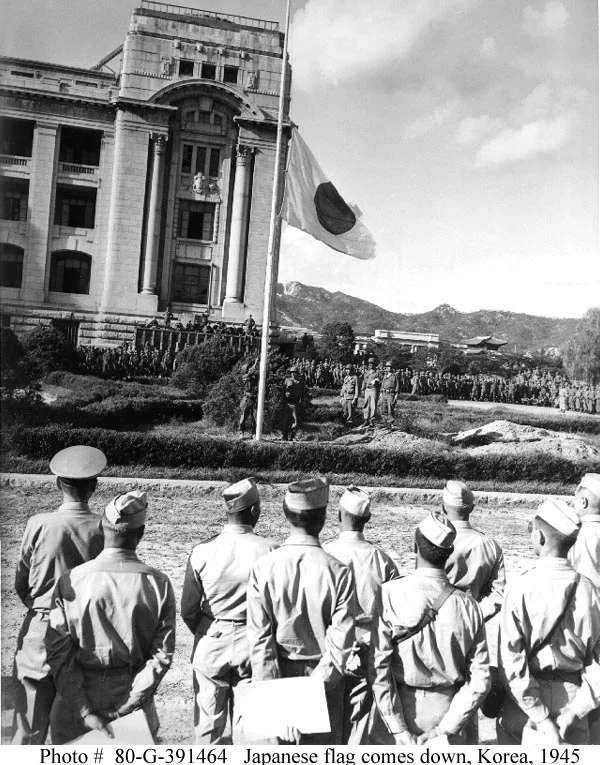
The song’s transition from a regional folk tune to a national symbol occurred primarily during the Japanese colonial occupation (1910–1945). During this era, "Arirang" became a coded expression of resistance and longing for independence. The 1926 silent film Arirang, directed by Na Woon-gyu, used the song to evoke nationalistic sentiment under the nose of Japanese censors. By the time the peninsula was liberated in 1945, the song had been cemented as an "archive" of the Korean experience, representing both the sorrow of oppression and the resilience of the Korean spirit.
Chronology of Cultural Significance and International Recognition
The cultural weight of "Arirang" has led to several key milestones in recent history:

- 1926: Release of Na Woon-gyu’s film Arirang, which popularized the "Bon Arirang" version of the song as a protest against colonial rule.
- 1945–1953: Following the division of the peninsula and the subsequent Korean War, both the North and South continued to claim the song as their own, using it in state ceremonies and cultural performances.
- 1991: At the World Table Tennis Championships, the North and South Korean teams competed as a unified "Korea" team under a flag showing the entire peninsula; "Arirang" was played instead of either country’s official anthem.
- 2002: North Korea launched the "Arirang Mass Games," a massive gymnastics and artistic festival involving over 100,000 performers, further institutionalizing the song as a pillar of DPRK state identity.
- 2012: UNESCO officially added "Arirang" to the Representative List of the Intangible Cultural Heritage of Humanity following an application by South Korea.
- 2014: North Korea successfully applied for its own version of "Arirang" to be added to the UNESCO list, ensuring that both states are recognized as custodians of the tradition.
The Paradox of Japanese Popularity and Cultural Appropriation
One of the more fascinating aspects of the song’s history is its popularity in Japan during the 1930s. Despite the brutal nature of the colonial occupation, "Arirang" became a mainstream hit in Tokyo and Osaka. To the Japanese public of the time, the song represented a "pan-East Asian" aesthetic. It was often marketed through a lens of "Oriental melancholy," a romanticized view of Korean culture as inherently sorrowful and simplistic.
This historical paradox mirrors contemporary dynamics. In the 1930s, the Japanese government suppressed Korean political identity while the Japanese public consumed Korean music. In the 21st century, a similar trend is visible. Despite diplomatic friction between Seoul and Tokyo over the Liancourt Rocks (Dokdo/Takeshima) and historical reparations, South Korean pop culture—the "Hallyu" wave—remains immensely popular in Japan. This suggests that musical and aesthetic appeal can often bypass political and military hostility, creating a shared cultural space even between adversaries.
Hallyu and the "Arirang" of the Modern Era
In many ways, the global success of K-pop and K-dramas serves as a modern evolution of the "Arirang" phenomenon. Just as "Arirang" provided a shared identity for Koreans under foreign rule, modern South Korean media provides a cultural bridge that reaches even into the most secluded parts of North Korea.
Reports from defectors and human rights organizations indicate that illegal copies of South Korean dramas and music are widely circulated in the North on USB sticks and DVDs. The influence is so strong that the North Korean government has attempted to create its own state-sanctioned versions of pop groups, such as the Moranbong Band. This all-female ensemble features electric violins and synthesizers, mimicking the production values of Western and South Korean pop while maintaining strictly pro-regime lyrics.
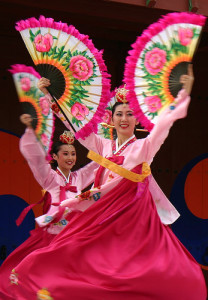
The naming of the "Arirang" smartphone is a strategic move to reclaim the cultural narrative. By labeling a modern piece of technology with a traditional name, the North Korean leadership attempts to shield its citizens from the allure of Southern "decadence" by providing a "domestic" alternative that feels equally rooted in Korean history.
Socio-Political Implications and Future Outlook
The launch of the Arirang smartphone and the continued prominence of the song reveal several critical insights into the current state of the Korean peninsula:
- Technological Nationalism: For North Korea, technology is not just about utility; it is about legitimacy. In a world where South Korea is a global leader in IT (led by giants like Samsung and LG), the North must demonstrate that it too can participate in the digital age, even if the "innovation" is largely rebranded foreign hardware.
- Cultural Continuity as a Unifier: The fact that both Koreas utilize the same folk song for their highest state honors and consumer products suggests that a "unified" Korean identity still exists beneath the political surface. This shared heritage is often cited by proponents of reunification as the foundation upon which a future single state could be built.
- Soft Power Competition: The "Arirang" smartphone is a tool of soft power within the DPRK’s borders. It allows the state to provide a modern status symbol to its growing "donju" (moneyed class) while maintaining control over the flow of information.
- Resilience of Tradition: The transition of "Arirang" from a rural folk song to a film theme, a resistance anthem, a mass games spectacle, and finally a smartphone brand demonstrates the incredible versatility of the melody. It remains the most potent symbol of "Koreanness" because it is malleable enough to fit any political or social agenda.
While military tensions on the peninsula remain at a heightened state, the "Arirang" smartphone serves as a reminder that the rivalry between North and South is not just about missiles and borders; it is about which side can best represent the heart and history of the Korean people. As technology continues to evolve, the ancient "Arirang" pass remains a vital crossing point for the identity of a divided nation, proving that even in the digital age, the oldest songs are often the most influential.